“How much does a private jet cost?” It’s the first question on everyone’s mind, but the answer isn’t a simple number. The price of a private charter is a tailored figure, reflecting your unique travel plans. It’s less like buying a standard product and more like building a custom itinerary from the ground up. The final air charter cost depends on several key factors: the distance you’re flying, the size of the aircraft you need, and even the time of year you travel. This article will walk you through each of these variables, giving you a clear understanding of how your quote is calculated and empowering you to plan your next journey with confidence.
Key Takeaways
- Look Beyond the Hourly Rate: A transparent quote includes the aircraft’s base rate plus necessary costs like fuel, taxes, and airport fees, giving you a clear and complete picture of your total investment.
- Match the Jet to Your Mission: The size of the aircraft and the distance of your trip are the biggest drivers of cost, so selecting the right jet for your specific needs is the most effective way to manage your budget.
- Find the Best Value Through Smart Planning: You can secure better rates by booking in advance, being flexible with your travel dates, and exploring cost-effective options like empty leg flights or smaller regional airports.
What Goes Into Private Jet Pricing?
When you charter a private jet, you’re not just booking a flight; you’re arranging a personalized travel experience. Because every trip is unique, the pricing is too. Unlike commercial flights with fixed ticket prices, the cost of a private charter is dynamic and tailored to your specific needs. Several key elements come together to create your final quote, from the type of aircraft you choose to the time of year you fly.
Understanding these components helps you see exactly what you’re paying for and how you can make choices that align with your budget and travel goals. Think of it less like buying a ticket and more like commissioning a service. The main factors influencing the price are the aircraft’s hourly rate, the total flight time, and additional fees for services and logistics. We’ll break down the most significant variables so you can plan your next journey with confidence and clarity. Getting a precise figure starts with knowing what goes into the calculation.
Base Rates for Different Jets
The single biggest factor in your charter cost is the aircraft itself. Different jets have different hourly rates based on their size, range, speed, and amenities. A smaller jet for a quick regional trip will naturally cost less per hour than a large, intercontinental aircraft designed for luxury and long distances.
Generally, you can expect hourly rates to fall within these ranges:
- Light Jets: $3,000–$4,250
- Midsize Jets: $3,500–$4,500
- Super Midsize Jets: $5,000–$6,500
- Large & Ultra-Long-Range Jets: $5,550–$12,000+
Each category in our global fleet offers a different experience, from efficient point-to-point travel to spacious cabins with beds and showers. Your choice will depend on your passenger count, destination, and desired level of comfort.
Typical Price Ranges
While hourly rates provide a good starting point, the total cost of a private jet charter can range from around $1,800 to over $14,000 per flight hour. This wide spectrum reflects the incredible variety of aircraft and mission types available. A short flight on a turboprop will be at the lower end, while a transatlantic journey on an ultra-long-range jet will be at the higher end.
This price typically covers the aircraft, crew, and standard operational costs. To get a clear picture of what your specific trip will cost, it’s always best to request a personalized quote. This ensures all variables, from flight distance to your specific requests, are factored in for an accurate, all-inclusive price.
How Seasons Affect Your Price
Just like with commercial travel, demand plays a significant role in private jet pricing. Flying during peak seasons or major global events—think holidays, the Super Bowl, or the Monaco Grand Prix—can increase your charter cost by 20% to 50%. During these times, aircraft availability is lower and operational costs, like airport slots, can be higher.
If your travel dates are flexible, you can often find better rates by flying during the off-season or on weekdays instead of weekends. Planning ahead is also key. Booking your charter well in advance, especially for holiday travel, helps you secure your preferred aircraft at a more favorable price. Last-minute bookings during high-demand periods almost always come at a premium.
Key Factors That Shape Your Quote
When you request a private jet charter, the final price is a tailored figure reflecting your unique travel plans. It’s not just about getting from point A to point B; it’s about the specifics of how you get there. Several key elements come together to create your final quote, and understanding them helps you see exactly what you’re paying for. From the duration of your flight to the type of aircraft you select, each choice plays a role in shaping the cost of your journey. Let’s walk through the main factors that influence your private flight’s price tag.
Flight Time and Distance
The most significant part of your charter cost is based on how long you’ll be in the air. Every private jet has an hourly rate, and this rate is multiplied by the flight time to determine the base price of your trip. Longer distances mean more time in the air, which translates to higher fuel consumption and crew costs. This is why a cross-country flight will have a substantially different price than a short regional hop. Think of it as the foundational cost upon which other fees are added. We calculate this meticulously to give you a clear picture of your private jet rental costs.
Your Choice of Aircraft
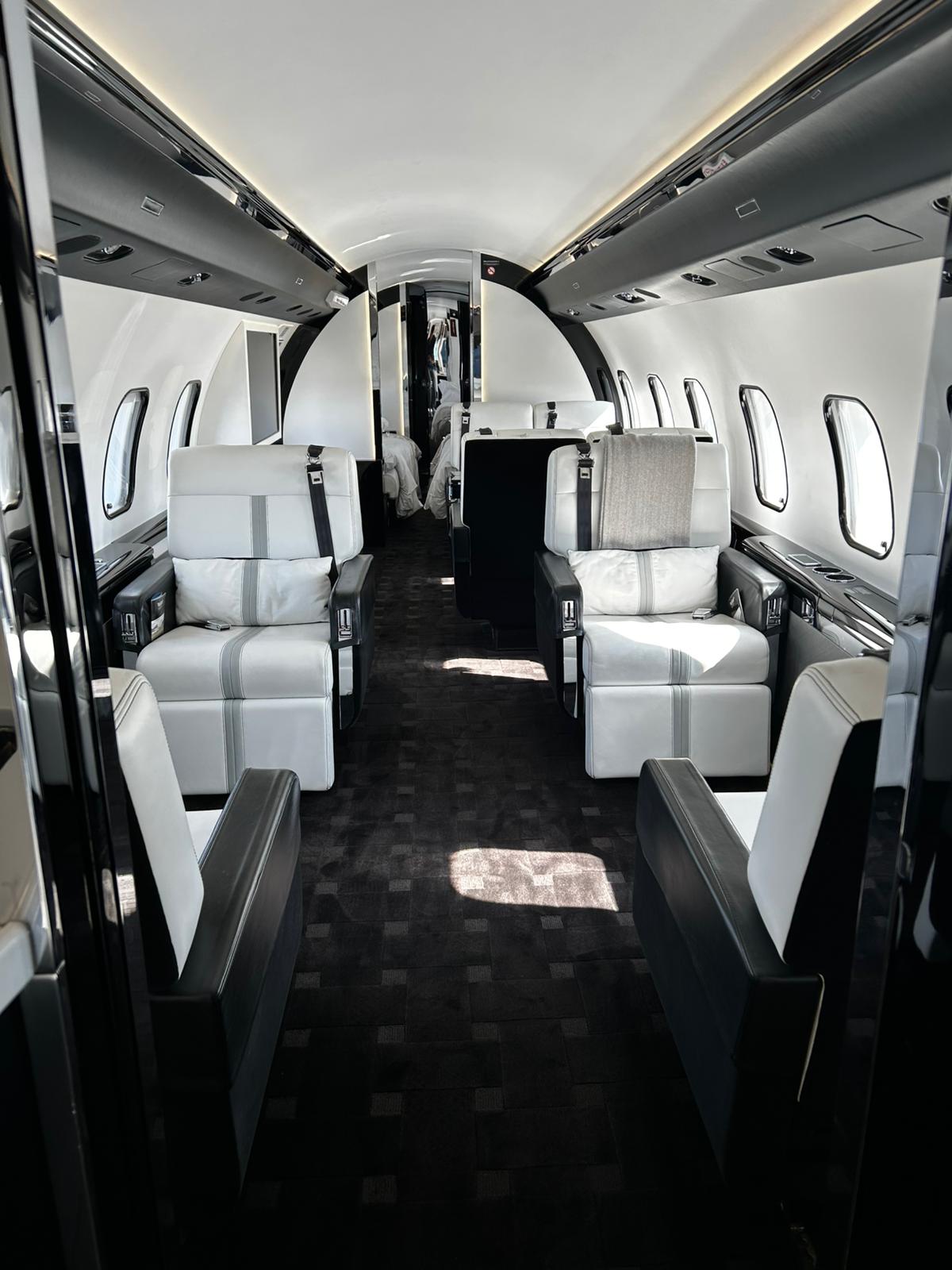
The jet you fly on is a major factor in the overall price. Just like cars, different aircraft come with different capabilities and price points. A light jet is perfect and cost-effective for shorter trips with a few passengers, while a heavy jet is necessary for larger groups or intercontinental flights, offering more space and amenities at a higher hourly rate. Your choice depends on your needs—how many people are traveling, how far you’re going, and the level of comfort you desire. You can explore our diverse fleet to see which aircraft best fits your mission.
The Time of Year
Demand for private travel fluctuates throughout the year, and this seasonality can impact your charter price. Flying during peak times, like major holidays, popular vacation seasons, or significant global events, often comes at a premium. During these periods, aircraft availability can be limited, causing prices to increase. Conversely, you might find more competitive pricing during the off-season. If your travel dates are flexible, it’s worth considering when you fly, as it can make a noticeable difference in the final cost of your trip.
Your Itinerary and Route
Your specific route also plays a part in the final quote. A straightforward flight between two major airports is priced differently than a multi-stop itinerary or a trip to a remote location. One important consideration is aircraft positioning. If the jet you’ve selected isn’t already located at your departure airport, a repositioning fee (or “ferry flight”) may be added to cover the cost of bringing the plane to you. Planning your charter flights with these details in mind helps ensure there are no surprises in your quote.
Looking Beyond the Base Rate: Additional Fees
When you receive a quote for a private jet charter, the hourly rate is the main component, but it’s not the final number. To get a clear picture of your total investment, it’s helpful to understand the other standard fees involved. These aren’t hidden costs; they’re essential parts of ensuring a safe, seamless, and comfortable journey. Thinking about these elements ahead of time helps you budget accurately and ensures there are no surprises along the way. Let’s walk through the typical additional charges you can expect.
Fuel, Taxes, and Surcharges
Fuel is one of the most significant variable costs in aviation. A fuel surcharge is often added to your base rate to account for current market prices, the distance of your trip, and the specific aircraft you’ve chosen. It’s a standard industry practice that ensures fair pricing based on real-time operational costs. Additionally, for flights within the United States, a 7.5% Federal Excise Tax (FET) is applied to your total charges. Our team is always transparent about these costs, and you can find more information on how we approach private jet pricing on our website.
Airport and Landing Fees
Every time an aircraft lands, the airport charges a fee for using its runway and facilities. These fees can range from around $100 at smaller, private airfields to over $1,500 at major international hubs like JFK. The cost depends on the airport’s size, location, and the weight of your aircraft. While these fees are unavoidable, choosing a less congested regional airport can sometimes be a more cost-effective option. We can help you weigh the pros and cons of different airports for your itinerary to find the best fit for your schedule and budget.
Crew Expenses
For multi-day trips or complex itineraries that require the crew to rest overnight, their expenses are factored into your total cost. This typically covers their accommodations, meals, and daily pay while they are dedicated to your trip. You can generally expect to budget between $200 and $600 per night for each crew member’s lodging. This ensures your flight crew is well-rested, sharp, and ready to provide the safest and most professional service for the duration of your journey, no matter where you’re headed.
Fees for International Travel
Flying internationally involves a bit more administrative work, which comes with its own set of fees. These charges, which can range from $500 to over $5,000, cover essential services like international handling, customs clearance, and securing any necessary permits for crossing borders. The exact amount depends on your destination and the complexity of the route. When you plan an international trip with us, we handle all the logistics. You can request a detailed quote that breaks down these fees so you know exactly what to expect.
Onboard Catering and Ground Transport
This is where you can truly customize your experience. While light snacks and beverages are often standard, you can arrange for specific gourmet catering to be served in-flight. Depending on your preferences, catering can range from a few hundred dollars to $2,000 or more for elaborate multi-course meals. Similarly, we can arrange for seamless ground transportation to and from the airport, with costs varying from around $180 to over $1,000 depending on the vehicle and distance. These personalized touches are what make your private travel experience uniquely yours.
Find the Perfect Jet for Your Needs
Choosing your aircraft is one of the most important parts of planning your trip. The right jet ensures your journey is not just comfortable but perfectly suited to your itinerary, group size, and personal style. Think of it as selecting the ideal vehicle for a road trip—you wouldn’t take a sports car on a family camping trip. Similarly, the aircraft you fly on should match your mission, whether it’s a quick business meeting a few states away or a leisurely intercontinental vacation.
Understanding the different categories of private jets helps you make a confident choice. Each class of aircraft offers a unique combination of range, speed, cabin size, and amenities. From nimble light jets that can access smaller airports to ultra-long-range aircraft that connect global capitals non-stop, there’s a perfect option for every flight. Our extensive fleet gives you access to the best aircraft in every category. As you explore these options, remember that the type of jet you select is one of the biggest factors influencing your overall private jet rental costs. Let’s look at the main categories to help you find the right fit.
Light Jets: Efficiency and Cost
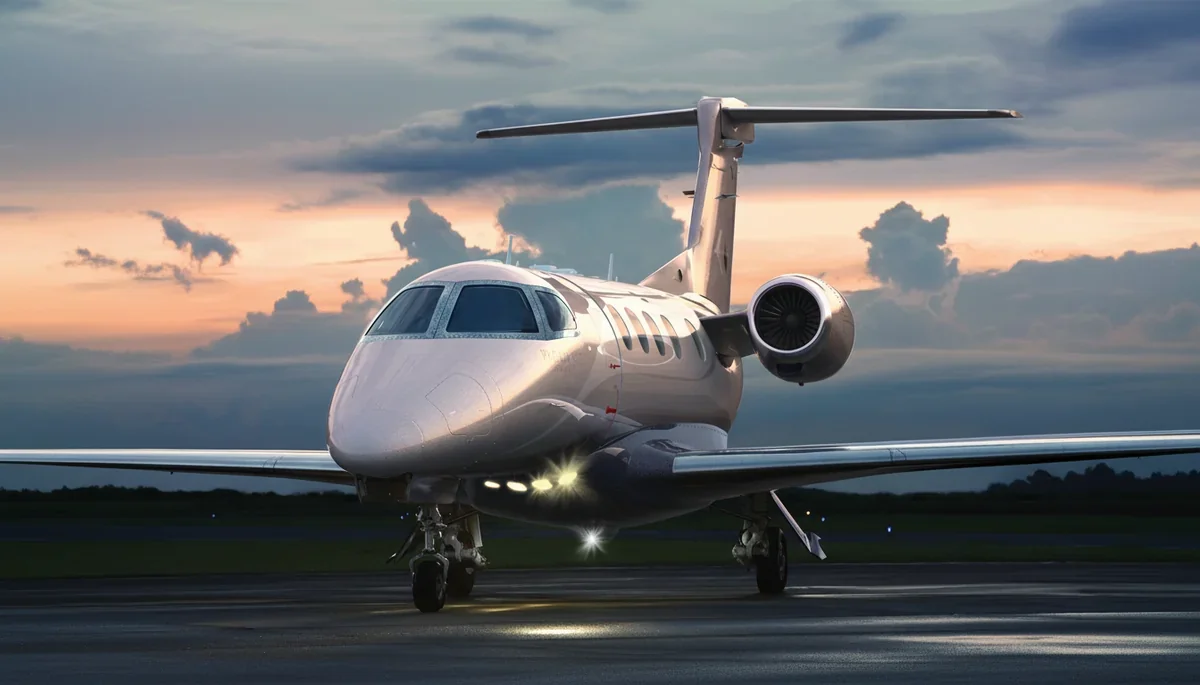
Light jets are the perfect entry point into private aviation, offering a fantastic blend of speed, efficiency, and value. Ideal for shorter regional flights, they are a popular choice for business travelers needing to attend multiple meetings in one day or for couples planning a quick weekend getaway. These jets typically accommodate four to eight passengers and can access smaller airports that larger planes can’t, getting you closer to your final destination. With hourly rates generally falling between $3,000 and $4,250, light jets provide all the convenience and privacy of charter travel in a cost-effective package.
Midsize Jets: Balancing Comfort and Price
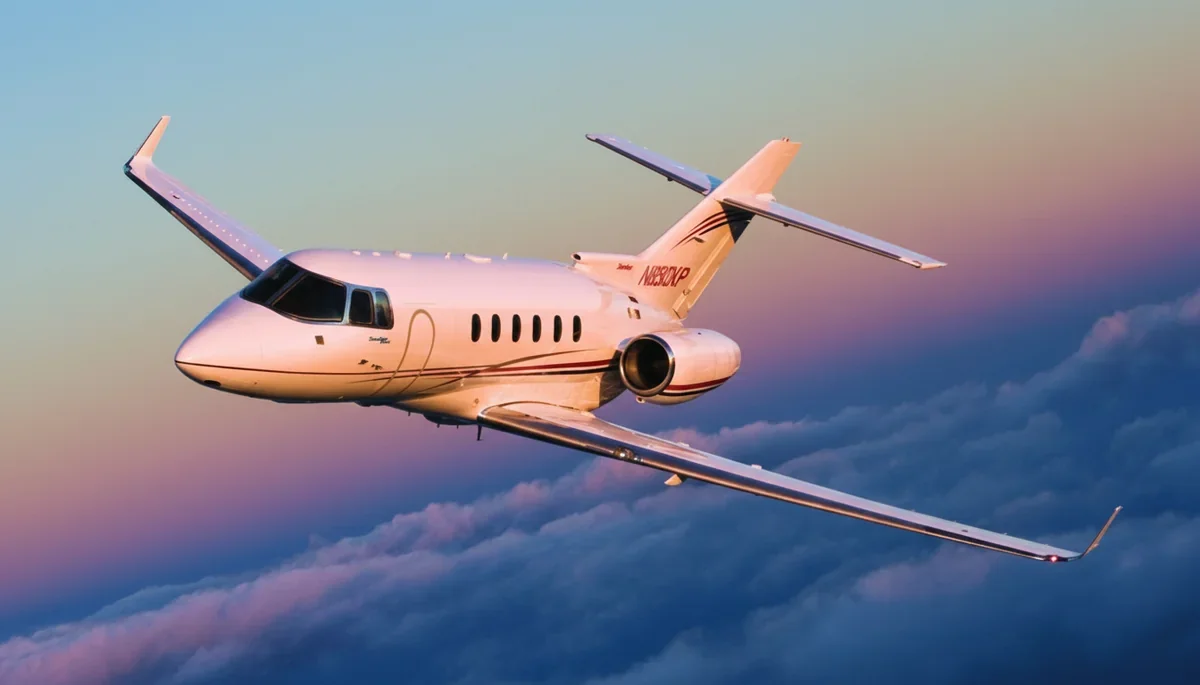
When you need a bit more space and range, midsize jets are an excellent step up. They strike a perfect balance between the efficiency of a light jet and the spaciousness of a heavy jet. With a more generous cabin, you’ll often find amenities like an enclosed lavatory and a small galley. Seating six to eight passengers comfortably, midsize jets are well-suited for longer domestic routes or short international trips. Expect hourly rates to range from $4,500 to $6,000. This category is a favorite among families and business teams who value extra comfort without a significant price jump.
Heavy Jets: For Groups and Longer Trips
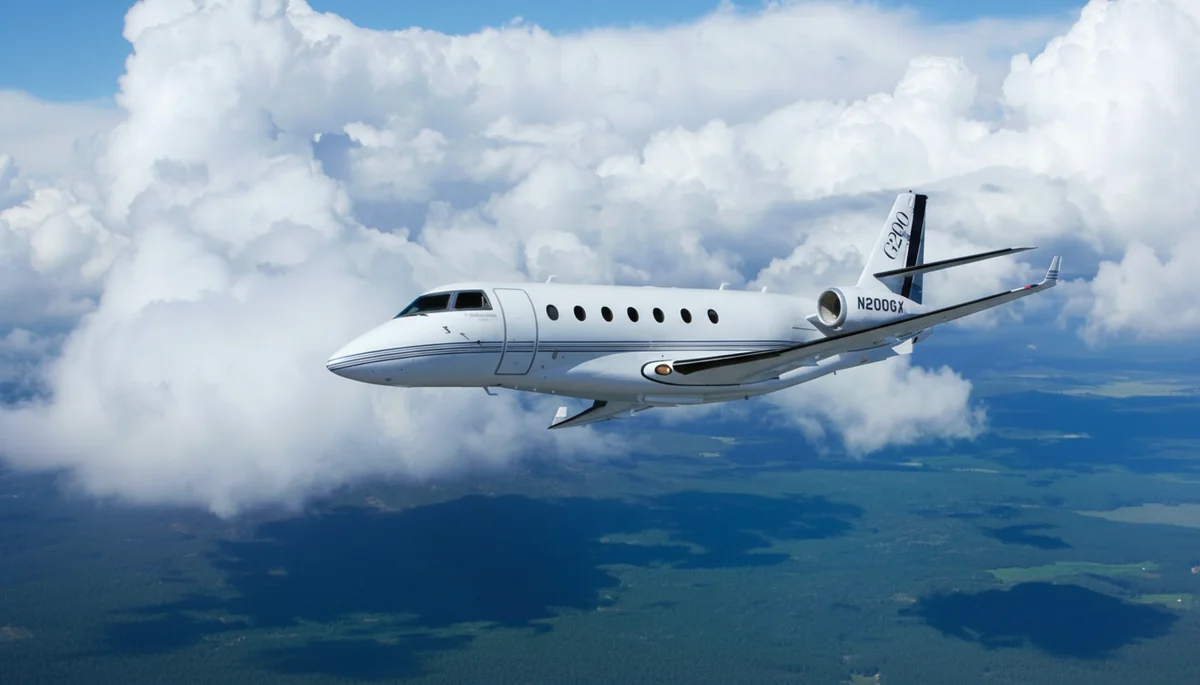
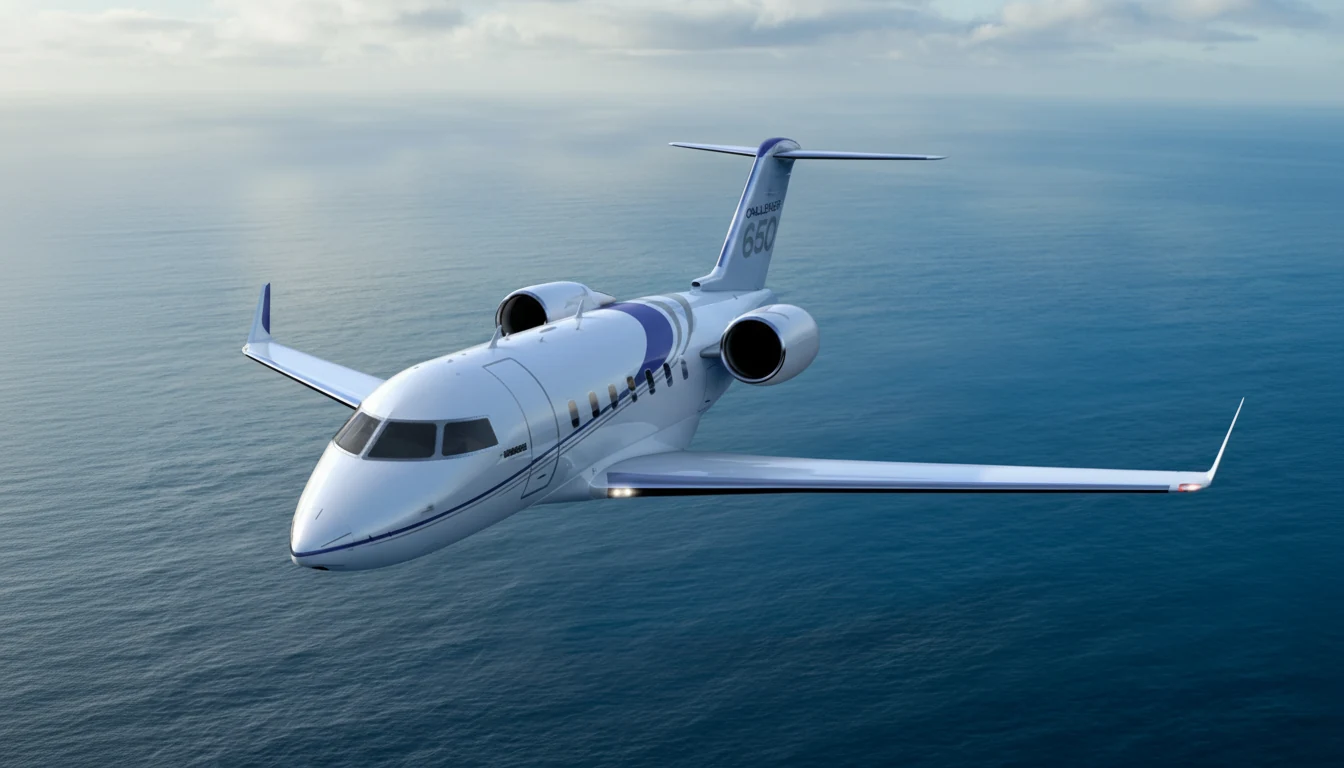
For transcontinental and international flights, heavy jets deliver an exceptional experience. These aircraft are designed for long-haul comfort, featuring spacious, stand-up cabins, multiple seating areas, and often a full galley for preparing gourmet meals. With room for eight to sixteen passengers, they are the go-to choice for larger groups, corporate travel, and families traveling with staff. Heavy jets also offer significant baggage capacity, so you won’t have to leave anything behind. With hourly costs typically between $10,000 and $14,000, they provide a luxurious and comfortable environment for journeys that cross oceans and continents.
Ultra-Long-Range: Global Travel in Style
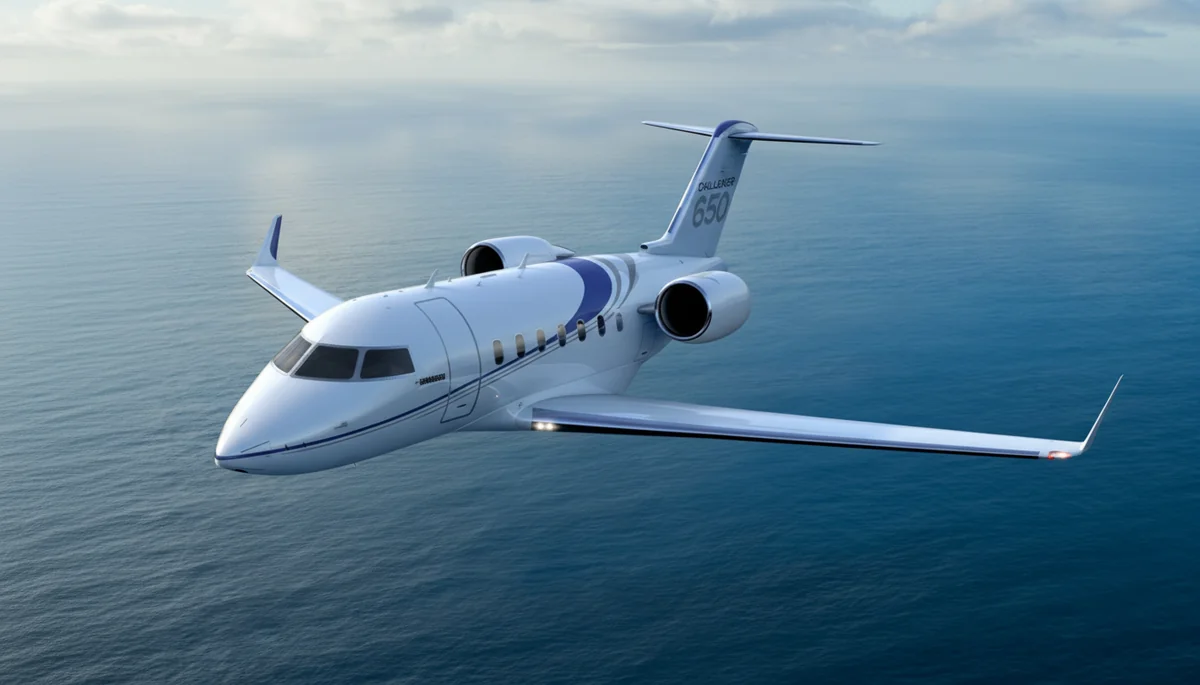
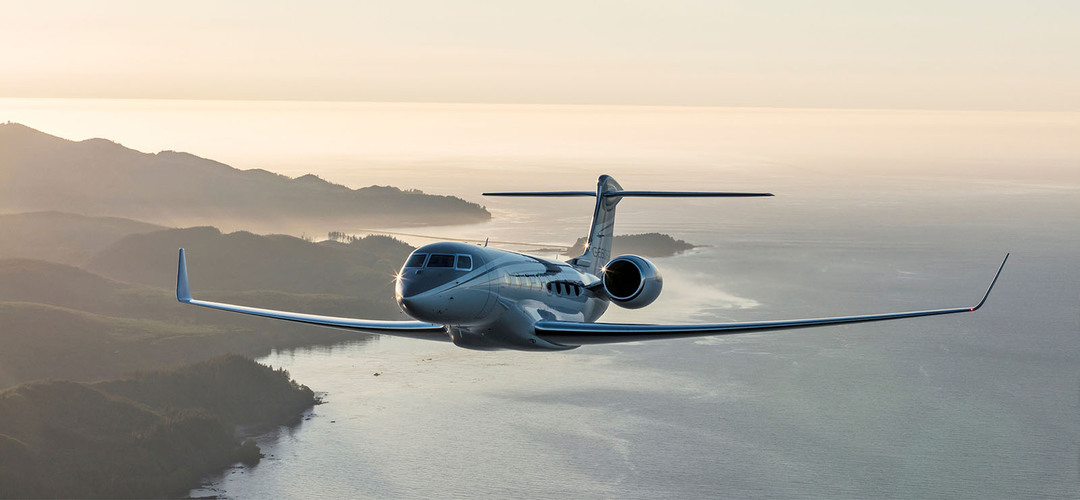
At the very top of private aviation are the ultra-long-range jets. These aircraft represent the pinnacle of luxury, performance, and capability, designed to connect virtually any two cities on the globe without refueling. The cabins are expansive and can be configured with private staterooms, full-sized beds, and even showers. Accommodating up to 14 passengers, these jets are essentially flying suites for those who demand the utmost comfort on the longest journeys. With hourly rates from $15,200 to $18,500, they offer an unparalleled travel experience. When your trip requires the best, you can request a quote for an ultra-long-range jet.
How to Get the Best Value on Your Charter
Chartering a private jet is the pinnacle of personalized travel, but that doesn’t mean you can’t be smart about the cost. Getting the best value is about understanding the variables that influence your final price and making strategic choices that align with your travel needs. With a bit of planning and flexibility, you can enjoy the full luxury experience while managing your budget effectively. From taking advantage of unique flight opportunities to choosing the right departure point, here are a few practical ways to make your private jet charter more cost-efficient without sacrificing an ounce of comfort or convenience.
Fly on an Empty Leg Flight
One of the best-kept secrets in private aviation is the empty leg flight. These are one-way trips that a jet must make to reposition for its next booked charter or to return to its home base. Since the aircraft is flying that route anyway, operators offer these seats at a significant discount—often up to 75% off the standard charter price. If your travel plans are flexible, you can find incredible deals on empty leg flights that match your desired route. It’s the perfect way to experience the luxury of private travel for a fraction of the cost, especially for spontaneous getaways or one-way journeys.
Be Flexible with Your Travel Dates
Timing is everything when it comes to charter pricing. Just like with commercial airlines, demand fluctuates based on the season, holidays, and major events. Booking your trip well in advance can secure better rates and give you a wider selection of available aircraft. Last-minute bookings, especially during peak times, can increase your costs by 20% to 50%. If you have some flexibility in your schedule, consider traveling during the off-season or on weekdays instead of weekends. A simple shift in your departure date by a day or two can sometimes lead to substantial savings. When you request a quote, ask about how different dates might affect the price.
Consider Nearby Airports
The airport you choose for your departure and arrival plays a big role in your overall charter cost. Major international hubs typically come with higher landing fees, handling charges, and taxes. Opting for a smaller, regional airport nearby can often reduce these ancillary costs. Beyond the savings, smaller airports usually offer a more private and expedited experience, with less congestion on the ground and in the air. You can get in and out faster, making your journey even more seamless. When planning your trip, it’s always worth exploring alternative airports to see how they impact your private jet rental costs.
The Benefits of Flying as a Group
When you charter a private jet, you are booking the entire aircraft, not just a single seat. This makes it an incredibly efficient option for group travel. Whether you’re flying with family, friends, or business colleagues, splitting the cost of the charter can make the per-person price surprisingly comparable to, or even better than, commercial first-class tickets. This approach allows everyone to enjoy the privacy, comfort, and convenience of a private jet without a prohibitive individual cost. You can choose an aircraft from the Haute Jets fleet that perfectly matches your group’s size, ensuring everyone has ample space to relax or work.
Comparing Charter Models: What’s Right for You?
Choosing how to fly private can feel like a big decision, but it really comes down to your personal travel style. The right choice depends on how often you fly, how much flexibility you need, and what level of financial commitment you’re comfortable with. Think of it less like a one-size-fits-all solution and more like a menu of options designed for different needs. The main ways to access private jets are through on-demand charters, membership programs, jet cards, and fractional or full ownership.
At Haute Jets, we specialize in on-demand charters because we believe in providing ultimate freedom and flexibility. You simply book the exact jet you need, right when you need it, with no strings attached. However, understanding the full landscape is key to making a confident choice. Let’s walk through each model so you can see which one aligns best with your travel plans. Whether you fly a few times a year for special occasions or weekly for business, there’s a model that fits perfectly.
On-Demand Charters vs. Memberships
On-demand charter flights are the most straightforward way to fly private. This pay-as-you-go model gives you the freedom to choose any aircraft from a global fleet for each specific trip without any large upfront fees or long-term contracts. It’s the ideal choice if your travel schedule is unpredictable, you enjoy trying different types of aircraft, or you simply value the flexibility of not being tied to a single provider. You get all the luxury and convenience of private travel with complete control over every booking.
In contrast, membership programs typically involve an annual fee. In exchange for this fee, members might receive benefits like capped or fixed hourly rates, priority booking, or other exclusive perks. This model can be a good fit for those who fly frequently and predictably, as it can sometimes offer cost savings over time. However, it requires a commitment and may limit your aircraft choices to the company’s specific program or fleet.
How Jet Cards Work
A jet card is essentially a prepaid block of flight time. You purchase a card for a set number of hours—typically 25, 50, or 100—on a specific category of aircraft. The primary advantage is having a locked-in hourly rate and guaranteed availability, which simplifies budgeting for frequent flyers. However, this convenience comes at a price. Jet cards require a significant upfront investment, often ranging from six to seven figures, tying up a large amount of capital. While they offer predictability, they lack the flexibility of on-demand charters, where you can view transparent private jet rental costs for each individual trip without a massive initial outlay.
The Perks of a Long-Term Agreement
For those who fly more than anyone else, long-term agreements like fractional ownership or full aircraft ownership are an option. Fractional ownership means you buy a share of a specific aircraft, which entitles you to a certain number of flight hours per year. This model only starts to make financial sense if you’re in the air for more than 150 hours annually. While it provides unparalleled access, it also comes with the heavy responsibilities of ownership, including maintenance costs, crew salaries, and insurance. For most travelers, chartering offers the same luxurious experience without the complex and costly burdens of owning an asset. If you are interested in ownership, you can explore options to buy a jet with expert guidance.
How to Book Your Charter with Confidence
Booking a private jet should feel empowering, not overwhelming. With a little insight into how the process works, you can make decisions that align perfectly with your travel needs and budget. The key is knowing what to look for in a quote, how to prioritize safety, and when to book for the best value. Think of this as your personal checklist for a seamless and confident booking experience, ensuring your journey is as smooth on the ground as it is in the air. From understanding the full cost to choosing the right time to fly, these steps will help you secure the perfect charter every time.
Calculate Your All-In Cost
When you receive a quote, it’s important to understand that the total price is a sum of several parts. Beyond the base hourly rate, your all-in private jet rental cost includes flight time, fuel surcharges, and crew fees. You’ll also see charges for landing, handling, and other airport fees, along with the Federal Excise Tax (FET). A transparent quote will break these down for you, so there are no surprises. Knowing exactly what you’re paying for is the first step to booking with confidence and ensuring the price you see is the price you pay.
Prioritize Safety and Value
While the luxury and convenience of private travel are key benefits, safety should always be your top priority. A reputable charter provider will operate under an FAA Air Carrier Certificate (FAR Part 135). For an even higher standard of safety, look for third-party audits from organizations like Wyvern Wingman and ARGUS Platinum. These certifications aren’t just paperwork; they represent a deep commitment to rigorous safety protocols, maintenance, and crew training. Choosing a provider that meets these standards ensures you’re flying with a crew that puts your well-being above all else.
How to Compare Charter Quotes
Online estimators are useful for getting a general idea of costs, but they often don’t reflect the final price. Market rates, aircraft availability, and your specific itinerary can cause these estimates to fluctuate. For an accurate and reliable number, it’s always best to speak directly with a charter advisor. When you request a quote, you receive a guaranteed price tailored to your trip. This direct approach allows you to compare real options and make a fully informed decision without worrying about hidden fees or last-minute price changes.
When to Book Your Private Jet
To get the best aircraft selection and pricing, try to book your private jet four to six weeks in advance. This lead time gives you access to a wider variety of jets and more competitive rates. While last-minute trips are always possible, booking on short notice—especially during peak seasons or for major events—can increase your costs by 20% to 50%. Planning ahead not only helps your budget but also ensures you can secure the ideal aircraft from the global fleet for your specific needs, whether it’s for a business meeting or a family vacation.
Related Articles
- Private Jet Rental Costs: Detailed Insights into Plane Rental | Haute Jets
- Cheap Private Jets: Your Guide to Affordable Luxury Travel – Haute Jets
Frequently Asked Questions
Is the price I’m quoted the final price? Yes, when you receive a formal quote from a charter advisor, it is an all-inclusive price. We believe in complete transparency, so your quote will clearly itemize the base flight cost, fuel, taxes, and any applicable airport or crew fees. This ensures you know the complete cost upfront without having to worry about surprise charges later on.
What’s the single best way to get a good deal on a private flight? If your schedule has some flexibility, looking for an empty leg flight is the best way to find incredible value. These are one-way flights that an aircraft must make to get to its next destination, and they are often available at a significant discount. It’s a fantastic way to enjoy the full private jet experience for a fraction of the typical cost.
How do I choose the right size jet for my trip? The best way to choose is to consider three main factors: how many people are flying, how far you’re going, and your budget. A light jet is perfect for short, regional trips with a small group. If you need more cabin space or are flying cross-country, a midsize or heavy jet is a better fit. Our team can always help you select the perfect aircraft for your specific mission.
Why should I book an on-demand charter instead of buying a jet card? On-demand chartering offers complete freedom and flexibility. You pay for each trip as you take it, with no massive upfront investment or long-term commitment. This model allows you to choose the ideal aircraft for every unique journey, rather than being locked into one specific jet category. It’s perfect for travelers who value control and want to avoid tying up capital.
How far in advance should I book my charter flight? For the best selection of aircraft and more competitive pricing, it’s a good idea to book your flight about four to six weeks ahead of time. This is especially true if you plan to travel during a holiday or peak season. While we can certainly arrange last-minute flights, planning ahead gives you more options and helps you secure the best possible rate.