Average private jet cost for charter vs. ownership.

Average Private Jet Cost: Charter vs. Buying a Jet

Understanding the costs of private aviation can feel like trying to hit a moving target. With so many variables, from aircraft type to market demand, it’s easy to get lost in the details. This guide is here to provide clarity. We’re pulling back the curtain to show you exactly what goes into pricing a private flight. We’ll break down everything from hourly charter rates to the hidden expenses of ownership, so the average cost private jet is no longer a mystery. Whether you’re planning your first charter or considering buying an aircraft, you’ll walk away with a confident understanding of the financial side of flying private.

Key Takeaways

  • Chartering Gives You Freedom: On-demand charters offer the luxury and convenience of private travel without the complex financial and logistical responsibilities that come with owning an aircraft.
  • Your Trip Details Shape the Price: The cost of your charter flight is primarily determined by the type of jet you select, the distance of your journey, and your travel dates, allowing for a price tailored specifically to your needs.
  • Ownership Is a Major Financial Operation: Buying a jet is a significant business investment that includes millions in annual operating costs for crew, maintenance, insurance, and storage, far beyond the initial purchase price.

What Goes Into Private Jet Pricing?

Understanding the cost of flying private can feel complicated, but it really comes down to a few key elements. Whether you’re considering a one-time trip or making private aviation a regular part of your life, knowing what influences the price is the first step. The costs are shaped by your choice of aircraft, the specifics of your journey, and even broader market dynamics. Let’s break down the main factors that determine the final price tag, so you can see exactly what you’re paying for and choose the option that best fits your needs.

Chartering vs. Owning: A Cost Breakdown

The most significant financial decision is whether to charter a jet on demand or purchase one outright. When you charter a flight, you pay on a per-trip basis. Hourly rates can range from around $1,800 for a small turboprop to over $20,000 for a large, ultra-long-range jet. This approach gives you incredible flexibility without the long-term financial commitment.

On the other hand, the decision to buy a jet is a major capital investment. The purchase price for a new private jet starts around $2 million and can exceed $100 million for a top-of-the-line executive model. Beyond the initial purchase, ownership involves significant annual operating costs for maintenance, crew salaries, hangar fees, and insurance, which can easily add up to a substantial percentage of the purchase price each year.

The Key Cost Factors

For charter flights, the price is primarily driven by two things: the aircraft you choose and how long you need it for. The size and type of jet directly influence the hourly rate; a larger cabin or a faster aircraft will naturally come with a higher price point. You can explore a wide range of aircraft to find the perfect fit for your passenger count and travel distance.

Flight duration is the other major component, as costs are calculated per hour of flight time. Beyond that, your specific itinerary, the airport fees involved, and any special requests like premium catering or ground transportation will be factored into your final quote. This transparent, all-in pricing model is much simpler than managing the complex web of expenses that come with owning an aircraft.

How Market Trends Affect Pricing

Private jet charter costs aren’t static; they respond to supply and demand. Flying during peak seasons, holidays, or to major global events like the World Cup or Monaco Grand Prix will likely be more expensive due to higher demand. The timing of your booking can also play a role. While booking in advance is always a good idea, you can sometimes find exceptional value by booking empty leg flights, which are offered at a discount when a jet needs to reposition for its next scheduled trip.

Your final private jet rental costs can also be affected by factors like fuel price fluctuations, crew overnight expenses for longer trips, and any last-minute changes to your itinerary.

A Guide to Jet Categories and Costs

Choosing the right private jet is a lot like picking the right tool for a job—it all depends on what you need to accomplish. The aircraft you select will shape your entire travel experience, from the number of friends or colleagues you can bring along to the distance you can cover without stopping. Understanding the different jet categories is the first step in planning a seamless trip. Each class of aircraft offers a unique balance of range, speed, cabin size, and amenities, which in turn influences the overall private jet rental costs.

Think of it this way: a quick regional flight for a small team has very different requirements than a non-stop international journey for a large group. By familiarizing yourself with the primary jet types—light, midsize, heavy, and ultra-long range—you can make an informed decision that perfectly matches your itinerary and budget. As you explore the options, you can get a better sense of the aircraft themselves by browsing a diverse fleet of available jets. This guide will walk you through each category, giving you a clear picture of what to expect in terms of passenger capacity and typical hourly charter rates.

Light Jets (4-8 passengers)

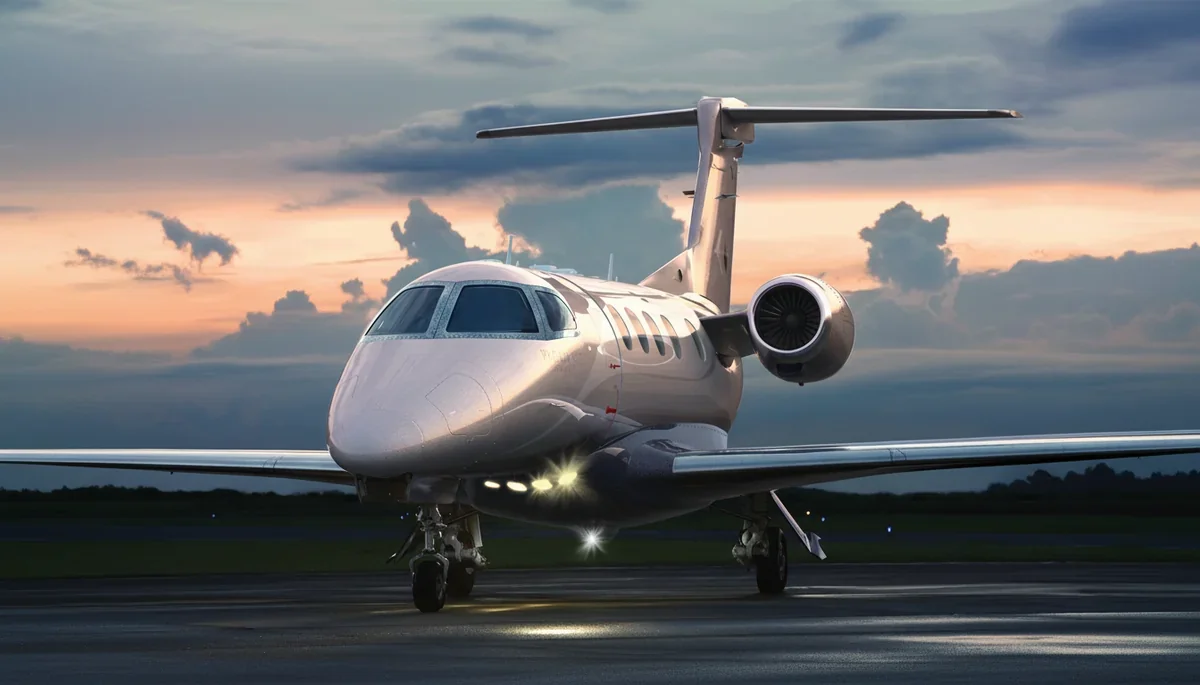
Light jets are the nimble workhorses of the private aviation world, ideal for shorter regional trips and small groups. Think of them as your go-to for a quick business meeting in a nearby city or a spontaneous weekend getaway. With seating for four to eight passengers, they offer a comfortable and efficient way to travel. One of their biggest advantages is the ability to access smaller airports that larger commercial planes can’t, getting you closer to your final destination. Chartering a light jet is also one of the most accessible ways to fly private, with hourly rates for turboprops starting around $1,500 to $3,000 and light jets ranging higher.

Midsize Jets (8-10 passengers)

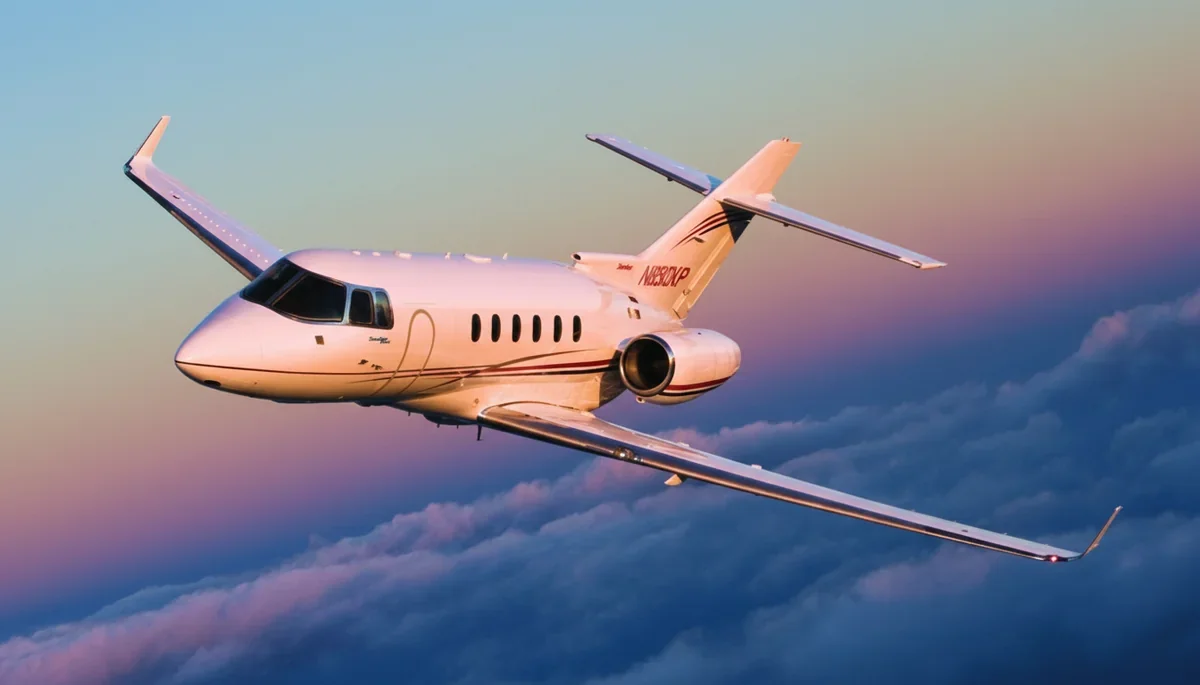
Stepping up to a midsize jet gives you more space, range, and comfort. This category strikes a perfect balance, making it a popular choice for both business and leisure travelers. Accommodating eight to ten passengers, midsize jets can handle longer domestic flights, like coast-to-coast trips, without a fuel stop. The cabins are more spacious, often with enough room to stand up and move around comfortably. You’ll also find more amenities, such as enclosed lavatories and small galleys. For a team traveling to a conference or a family heading on vacation, a midsize jet offers a significant upgrade in comfort, with hourly rates typically falling between $4,500 and $7,500.

Heavy Jets (10-16 passengers)

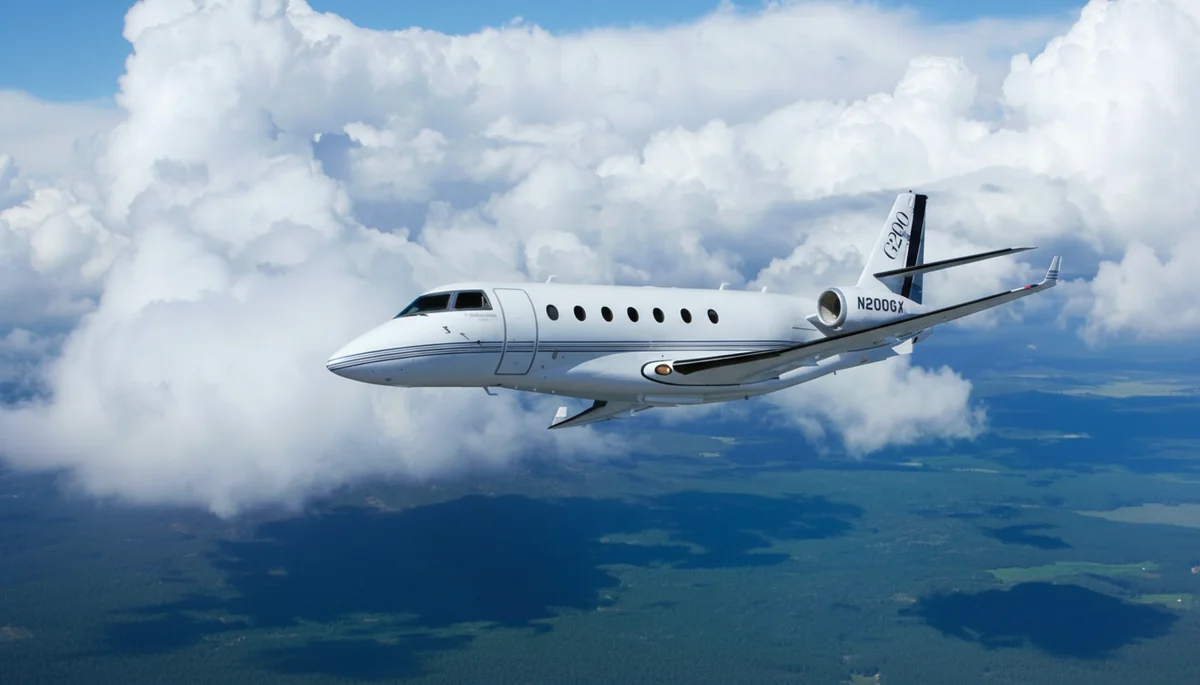
When your journey takes you across oceans, a heavy jet is the way to go. These aircraft are designed for long-haul international flights and offer a premium experience for larger groups of 10 to 16 passengers. The cabins are exceptionally spacious, often featuring distinct areas for working, dining, and relaxing. Premium amenities are standard, including full galleys for preparing gourmet meals, sophisticated entertainment systems, and seats that convert into beds. A flight attendant is typically on board to ensure your comfort. For intercontinental business or luxurious group travel, heavy jets provide an unparalleled experience, with charter costs generally ranging from $12,000 to $22,000 per hour.

Ultra-Long Range Jets (16+ passengers)

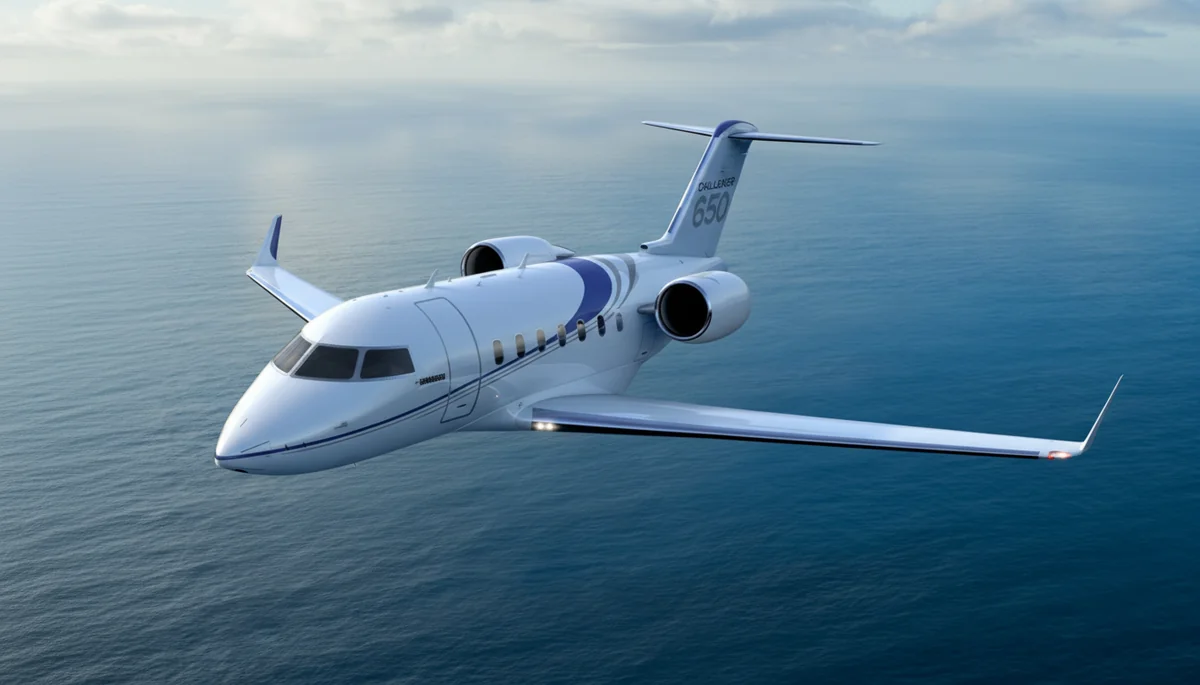
At the very top of private aviation are the ultra-long range jets. These aircraft represent the pinnacle of luxury, performance, and capability, designed to connect virtually any two cities on the globe non-stop. With seating for 16 or more passengers, their expansive, multi-zone cabins can be configured with private staterooms, full-size bathrooms with showers, and conference areas. They are essentially flying residences or offices, built for ultimate productivity and comfort on flights lasting 12 hours or more. For global leaders, entertainers, and discerning travelers, these jets are the ultimate travel tool. You can request a quote for these premier aircraft, with hourly rates often starting at $16,000 and exceeding $24,000.

What Determines Your Charter Rate?

When you charter a private jet, the price is tailored specifically to your trip. Unlike commercial flights with fixed ticket prices, a charter quote is a dynamic figure that reflects the unique details of your journey. Several key factors come together to determine the final cost, ensuring you only pay for what you need. Understanding these elements helps you see exactly where your money is going and how you can plan the most efficient and enjoyable trip possible. Let’s break down the main components that shape your charter rate.

How Far You Fly

The most significant factor in your charter cost is the distance and duration of your flight. A longer trip from New York to London will naturally cost more than a short flight from Los Angeles to Las Vegas. This is primarily due to increased fuel consumption, flight crew time, and other operational expenses that scale with the length of the journey. The distance also dictates the type of aircraft required. A cross-country flight needs a jet with greater range and capabilities than a regional hop, and the hourly rate for a larger, long-range jet is higher. Our team will always match you with the most efficient aircraft from our extensive fleet for your specific route.

When You Fly

Timing is everything, and it plays a major role in private jet pricing. Just like with commercial airlines and hotels, demand fluctuates throughout the year. Flying during peak seasons, such as major holidays like Christmas or Thanksgiving, or to destinations hosting major events like the Super Bowl or Art Basel, will be more expensive. High demand means aircraft availability is lower, which drives up the price. Similarly, booking a flight at the last minute can also increase the cost. If you have flexibility in your travel dates, flying during off-peak periods is a great way to secure a more favorable rate. Planning ahead allows us to find the best possible options for your schedule.

Where You Fly From and To

Your choice of departure and arrival airports can also influence the final price. Some airports, particularly large international hubs or exclusive private airfields, have higher landing fees, handling charges, and local taxes. These costs are factored into your overall quote. For example, landing at a small regional airport is often less expensive than using a major city-center airport. Our team has deep knowledge of airports worldwide and can advise you on the most cost-effective and convenient options for your itinerary, ensuring a smooth experience from the moment you arrive at the tarmac.

Your Onboard Experience

One of the greatest advantages of private travel is the ability to customize your flight down to the smallest detail. This personalization also affects your charter rate. Do you require specific five-star catering from your favorite restaurant? Need high-speed Wi-Fi to conduct business meetings in the air? Perhaps you’d like specific floral arrangements or entertainment for a special occasion. These bespoke services are what make the journey truly yours, and their costs are added to the base price of the charter. When you request a quote, we can discuss all your preferences to create a perfectly tailored and transparently priced travel experience.

The True Cost of Owning a Private Jet

Thinking about buying a private jet? It’s an exciting prospect, but the sticker price is only the first chapter of the story. The reality of ownership involves a complex web of ongoing expenses that can quickly add up. Before you commit, it’s important to look past the initial purchase and understand the full financial picture. From hangar fees and crew salaries to insurance and unexpected maintenance, the annual costs to keep a jet airworthy can be staggering.

This isn’t to say ownership is the wrong choice for everyone, but it requires a significant, long-term financial commitment that goes far beyond the initial sale. These costs are largely fixed, meaning you pay them whether you fly 50 hours a year or 500. Understanding these recurring expenses is the key to making a smart decision. We’ll break down the primary expenses you can expect so you can weigh whether the convenience of full ownership aligns with your travel needs and budget, or if a more flexible solution like on-demand chartering makes more sense.

The Upfront Purchase Price

The initial cost to buy a private jet varies dramatically based on its size, range, and age. A brand-new, light jet like the Cirrus Vision Jet might start around $2 million, while a top-of-the-line, ultra-long-range aircraft can exceed $100 million. The pre-owned market offers more accessible price points, but these aircraft may come with higher maintenance needs down the line. Whether you’re looking for a new or pre-owned aircraft, the purchase price is the largest single expense you’ll face, setting the foundation for many other costs, like insurance and maintenance. If you’re exploring your options, you can buy a jet with expert guidance to find an aircraft that fits your mission.

Understanding Depreciation

Just like a luxury car, a private jet is a depreciating asset. Its value begins to decrease the moment you take ownership. This loss in value is a significant, though often overlooked, cost of owning an aircraft. The rate of depreciation can be influenced by the jet’s model, age, condition, and the overall market demand. While a well-maintained aircraft will hold its value better than a neglected one, you should always factor in depreciation as a real, long-term cost. It’s a crucial part of calculating the total cost of ownership over the years you plan to fly.

Insuring and Financing Your Aircraft

Insurance is a mandatory and substantial annual expense for any jet owner. Policies are complex and must cover liability as well as the physical value of the aircraft, known as hull insurance. Typically, you can expect annual insurance premiums to be between 1% and 3% of the jet’s total value. For a $10 million aircraft, that means budgeting $100,000 to $300,000 every year just for insurance. If you finance the purchase, you’ll also have interest payments to consider, which will add to your monthly and overall costs until the loan is paid off.

Your Yearly Operating Budget

Keeping a private jet ready to fly is a costly endeavor, with typical annual operating costs falling between $500,000 and $1 million, and often much more for larger jets. This budget covers a wide range of essential expenses that keep your aircraft safe and operational. You’ll need to account for routine maintenance, fuel, hangar or storage fees, and the salaries and training for your flight crew. These hourly and purchase price considerations are just the beginning; the day-to-day running costs are what truly define the ownership experience. These expenses are largely fixed, meaning you pay them whether you fly 50 hours a year or 500.

Planning for Maintenance and Repairs

Beyond routine operating costs, maintenance is one of the most significant ongoing expenses. Aviation authorities mandate strict inspection and maintenance schedules to ensure safety, and these are both time-consuming and expensive. A good rule of thumb is to budget between 5% and 10% of the aircraft’s value for maintenance each year. This covers everything from scheduled inspections and minor repairs to major overhauls of engines and other critical components. Unexpected issues can also arise, so having a healthy contingency fund for unscheduled repairs is a must for any responsible owner.

Beyond the Sticker Price: Other Ownership Costs

The initial purchase price of a private jet is just the first step. To truly understand the financial commitment, you have to look at the ongoing operational expenses that come with ownership. Think of it less like buying a car and more like launching your own personal airline. These recurring costs, from paying your flight crew to fueling up for a trip, are a significant part of the total investment and can easily run into the millions each year.

When you buy a jet, you’re also buying a complex logistical operation. You’ll be responsible for staffing, storage, insurance, and compliance with aviation regulations. These aren’t minor details; they are substantial financial and administrative responsibilities that require expert management. Before you sign on the dotted line, it’s essential to have a clear picture of these day-to-day and year-to-year expenses to ensure ownership is the right path for you. Let’s break down some of the most significant costs you can expect.

Managing Your Crew

Your jet needs a team of highly skilled professionals to operate safely and efficiently. This means hiring at least two pilots, and for larger aircraft, you’ll also need a flight attendant. These aren’t one-time costs; they are full-time salaries. Depending on the aircraft type and the crew’s experience, annual crew and pilot salaries can range from $85,000 to over $300,000 per person. Beyond salaries, you’ll also need to budget for ongoing training, benefits, and travel expenses for your crew, making it one of the largest line items in your yearly budget.

Storing Your Jet

You can’t just park a multi-million dollar aircraft in a driveway. Your jet needs a secure, climate-controlled home to protect it from the elements and potential damage. This means renting space in a private hangar at an airport. Hangar fees are a necessary and continuous expense that can vary dramatically based on the airport’s location and the size of your aircraft. A hangar in a major metropolitan hub will cost significantly more than one in a smaller, regional airport. This fee ensures your investment is protected, but it’s a fixed cost you’ll pay whether you’re flying or not.

Handling Fuel Costs

Fuel is one of the most significant and variable expenses of owning a jet. The amount you spend depends entirely on how much you fly, the type of aircraft you own, and fluctuating market prices for jet fuel. The total annual operating cost for a private jet can range from $700,000 to over $4 million, and fuel makes up a huge portion of that figure. A cross-country flight in a midsize jet can easily consume thousands of gallons of fuel, translating to a bill of tens of thousands of dollars for a single trip. Budgeting for fuel requires careful planning and an understanding that prices can change without notice.

Administrative and Support Fees

Many jet owners hire an aircraft management company to handle the complex logistics of ownership. These companies take care of everything from flight scheduling and crew management to maintenance oversight and ensuring compliance with aviation regulations. While this service provides immense peace of mind, it comes at a price. Management companies typically charge a percentage of the aircraft’s annual operating cost, often between 10% and 15%. For larger jets, this can easily add hundreds of thousands of dollars to your yearly expenses, but it’s often a necessary cost for seamless, hassle-free ownership.

Smarter Ways to Fly Private

Full ownership is a significant commitment, but it’s far from the only way to enjoy the benefits of private aviation. If you’re looking for more flexibility or a more strategic approach to your travel budget, several other options give you access to private jets without the responsibilities of owning one. From pay-as-you-go charters to sharing ownership, you can find a model that perfectly fits your flying habits and financial goals. Let’s look at some of the most popular ways to fly private.

The Freedom of On-Demand Charters

On-demand charters are the simplest way to fly private. You book a jet for a specific trip, pay for that flight, and you’re done—no long-term contracts or hefty upfront investments. This model gives you complete freedom to choose the right aircraft for each journey, whether it’s a light jet for a quick business trip or a larger cabin for a family vacation. The cost of charter flights typically ranges from $1,500 to over $20,000 per hour, depending on the size and type of jet you select. This pay-per-flight approach is perfect for those who want maximum flexibility without the financial ties of ownership.

Finding Value with Empty Leg Flights

If your travel schedule is flexible, you can find incredible value with empty leg flights. These are one-way trips a private jet makes to return to its home base or reposition for its next chartered flight. Since the jet has to make the trip anyway, these seats are offered at a significant discount—sometimes up to 75% off the standard charter price. While they require some adaptability, as they operate on a fixed schedule and route, empty leg deals are an excellent way to experience luxury private travel for a fraction of the usual cost. It’s one of the smartest ways to get more from your travel budget.

How Jet Memberships Work

Jet membership programs offer a middle ground between on-demand charters and ownership. With a membership, you typically pay an annual or monthly fee to gain access to a specific fleet of aircraft at fixed hourly rates. This can be a great option if you fly often and want predictable pricing and guaranteed availability, often with the ability to book on short notice. While these programs provide consistency, they do require an upfront commitment. It’s a different approach from a purely on-demand service, which offers the freedom to book any jet, anytime, without any membership fees.

The Basics of Fractional Ownership

For those who fly frequently enough to consider ownership but aren’t ready for the full commitment, fractional ownership is an attractive alternative. This model allows you to purchase a share of a specific aircraft, which entitles you to a set number of flight hours per year. You get many of the perks of ownership, but you share the costs—including the purchase price, maintenance, and crew salaries—with the other owners. It’s a practical step up from chartering that provides more consistency and access without the sole responsibility of managing a multi-million dollar asset.

Choosing the Right Option for You

Deciding between chartering and owning a private jet comes down to your personal travel needs, financial picture, and long-term goals. There’s no single right answer, but by looking at a few key areas, you can find the perfect fit for your lifestyle. It’s about matching the way you fly with the most sensible and enjoyable solution.

Consider How Often You Fly

Your annual flight time is one of the clearest indicators of whether owning or chartering makes more sense. Many experts suggest that owning a private jet becomes financially viable only if you fly at least 200 to 400 hours per year. Below that threshold, the high fixed costs of ownership are hard to justify. For frequent, but not constant, travel, on-demand charters offer the same luxury and convenience without the commitment. You get access to the ideal aircraft for each trip, whether it’s a quick business meeting or a family vacation, without paying for it to sit in a hangar.

Define Your Budget

The financial difference between buying and chartering is significant. A new private jet can cost anywhere from $2 million for a light jet to over $100 million for a top-of-the-line model, and this initial investment is just the beginning. When you charter, you simply pay for your trip, making private aviation accessible without an enormous capital outlay. Understanding the typical private jet rental costs allows you to directly compare the price of a few dozen trips per year to the steep price of ownership. For most travelers, chartering provides a much more manageable and predictable way to budget for private flights.

Plan for the Long Term

Owning a private jet is a major long-term commitment that extends far beyond the initial purchase. It involves managing crew, maintenance schedules, insurance, and hangarage—a complex operation requiring significant time and resources. If you prefer to focus on your destination rather than the logistics of getting there, chartering is the simpler path. It lets you enjoy all the benefits of private travel while leaving the operational complexities to a dedicated team. For those ready for the responsibility, you can explore how to buy a jet with expert guidance.

Weigh the Costs and Benefits

Ultimately, your decision rests on a clear-eyed assessment of costs versus benefits. The average annual operating cost for a private jet can range from $700,000 to over $4 million, and that’s on top of the purchase price. These expenses cover everything from fuel and maintenance to crew salaries and insurance. Compare that to the cost of chartering, where you only pay for the hours you fly. You can even find great value with options like empty leg flights. While ownership offers the ultimate in availability, chartering provides unmatched flexibility and financial efficiency for the vast majority of private flyers.

Related Articles

Frequently Asked Questions

Is there a way to fly private for less than the typical charter rate? Absolutely. If your travel plans are flexible, empty leg flights are your best bet. These are one-way flights that a jet must make to get to its next scheduled departure point. Since the aircraft is flying that route anyway, the seats are offered at a significant discount. It’s a fantastic way to experience the full luxury of private travel at a much lower price point, as long as the pre-set destination and schedule work for you.

How much do I need to fly for owning a jet to make financial sense? While there’s no magic number, a common guideline in the industry is that ownership starts to become a practical consideration if you fly more than 200 to 400 hours per year. Below this threshold, the immense fixed costs of ownership—like crew salaries, hangar fees, and insurance—are hard to justify when compared to the flexibility and efficiency of chartering on an as-needed basis.

Are there hidden fees when I charter a jet? A transparent quote from a reputable charter company should be all-inclusive, meaning there are no surprise charges. Your price will typically cover the aircraft, crew, fuel, landing fees, and standard in-flight catering. The only additional costs would be for special requests you make, such as ordering catering from a specific five-star restaurant, arranging for premium ground transportation, or requiring high-speed Wi-Fi on an aircraft where it’s not standard.

Besides the type of jet, what’s the biggest factor I can control to affect my charter price? Your timing and flexibility play a huge role. Just like commercial travel, flying during peak seasons, major holidays, or to cities hosting big events will always come at a premium due to high demand. If you can plan your travel for off-peak times or be flexible with your departure by a day or two, you can often secure a more favorable rate.

Why would I choose an on-demand charter instead of a jet membership program? The biggest advantage of on-demand charter is freedom. You pay for each trip as you take it, with no large upfront investment or long-term commitment. This model gives you the flexibility to choose the perfect aircraft for each specific mission from a global fleet, rather than being limited to a program’s specific set of jets. It’s ideal for travelers who value choice and want to avoid the recurring fees associated with memberships.

Other Stories