In aviation, every flight has a mission. Your mission might be a quick trip for a critical business deal, a cross-country family vacation, or a multi-city international tour. The key to a successful aircraft purchase is matching the machine to your most common missions. An aircraft that’s perfect for one type of travel can be inefficient and costly for another. This guide will help you define your travel profile by asking the right questions about how far you fly, who you fly with, and where you need to land. This clarity will empower you to explore the best private airplanes to buy with a clear purpose.
Key Takeaways
- Analyze Your Flight Patterns First: The switch from chartering to owning becomes practical when your travel frequency justifies the investment. A clear look at your annual flight hours and typical trips will show if the control of ownership is a better fit than the flexibility of on-demand flights.
- Match the Aircraft to Your Mission: The ideal jet is one that perfectly aligns with your travel profile. Define your needs—like passenger capacity, flight range, and runway requirements—to select the right jet category and ensure your investment serves its purpose efficiently.
- Budget for the Total Cost of Ownership: The initial purchase price is only the starting point. A realistic financial plan must account for significant recurring expenses, including maintenance, crew salaries, insurance, and hangar fees, which are crucial for operating your jet safely and protecting its value.
Is It Time to Buy Your Own Private Jet?
Chartering a private jet offers incredible freedom and flexibility, allowing you to fly on your own terms without the long-term commitment of ownership. But for frequent flyers, there comes a point where the convenience and financial logic of owning your own aircraft become hard to ignore. So, how do you know when you’ve outgrown on-demand charters and are ready to make the leap? It often comes down to a clear-eyed look at your travel habits and financial strategy.
The decision to buy is less about a single “aha!” moment and more about recognizing that your needs have evolved. If you find yourself booking charters so often that you’re on a first-name basis with the flight crew, or if your travel schedule demands a level of availability that even on-demand services can’t always guarantee, it might be time to explore ownership. It’s a significant step, but one that can offer unparalleled control and even smart financial advantages.
Assess Your Travel Habits
Before you think about models and financing, start with a simple audit of your flying patterns. The right answer for you depends entirely on your unique needs. Ask yourself a few key questions: How many hours did you fly last year? Who do you typically travel with—your family, your executive team? Are your trips usually short regional hops or long-haul international flights? Answering these questions will help you start choosing the right private jet for your lifestyle. If you consistently fly over 200 hours a year, the cost-benefit analysis often begins to tip in favor of owning.
Look at the Financial Picture
While the upfront investment is substantial, owning a private jet can be a surprisingly savvy financial move. For starters, there are significant tax advantages. A key benefit is the ability to deduct the full cost of the aircraft from your taxable income in the year of purchase, thanks to a provision for 100% bonus depreciation. This private aircraft subsidy can dramatically lower the net cost of your investment. Furthermore, your jet doesn’t have to sit idle when you’re not using it. You can place it on a charter certificate to generate revenue, helping to offset annual operating costs. When you’re ready to explore your options, our team can help you buy a jet that perfectly aligns with both your travel needs and financial goals.
First-Time Buyer? Start with These Light Jets
If you’re ready to buy a jet, the light jet category is the perfect place to start. These aircraft offer a fantastic blend of performance, efficiency, and comfort without the complexities of larger jets. They are ideal for shorter regional trips, seating between six and eight passengers comfortably. Think of them as the perfect entry point into aircraft ownership, giving you all the freedom and luxury you want in a more manageable package. Light jets are known for their ability to access smaller airports, opening up a world of destinations that commercial flights can’t reach. Let’s look at a few of the top contenders that consistently impress new owners.
Cessna Citation CJ3+
The Cessna Citation CJ3+ is a true standout and a favorite among first-time buyers for good reason. It strikes an impressive balance between performance and operating cost. Inside, the cabin feels surprisingly spacious and can be configured to seat up to nine passengers, making it perfect for family getaways or team business trips. What owners really appreciate is its reliability and fuel efficiency, which helps keep operational costs in check. It’s a smart, dependable aircraft that delivers a comfortable and efficient flying experience every time, making it a solid investment as you begin your journey into private jet ownership.
Embraer Phenom 100EV
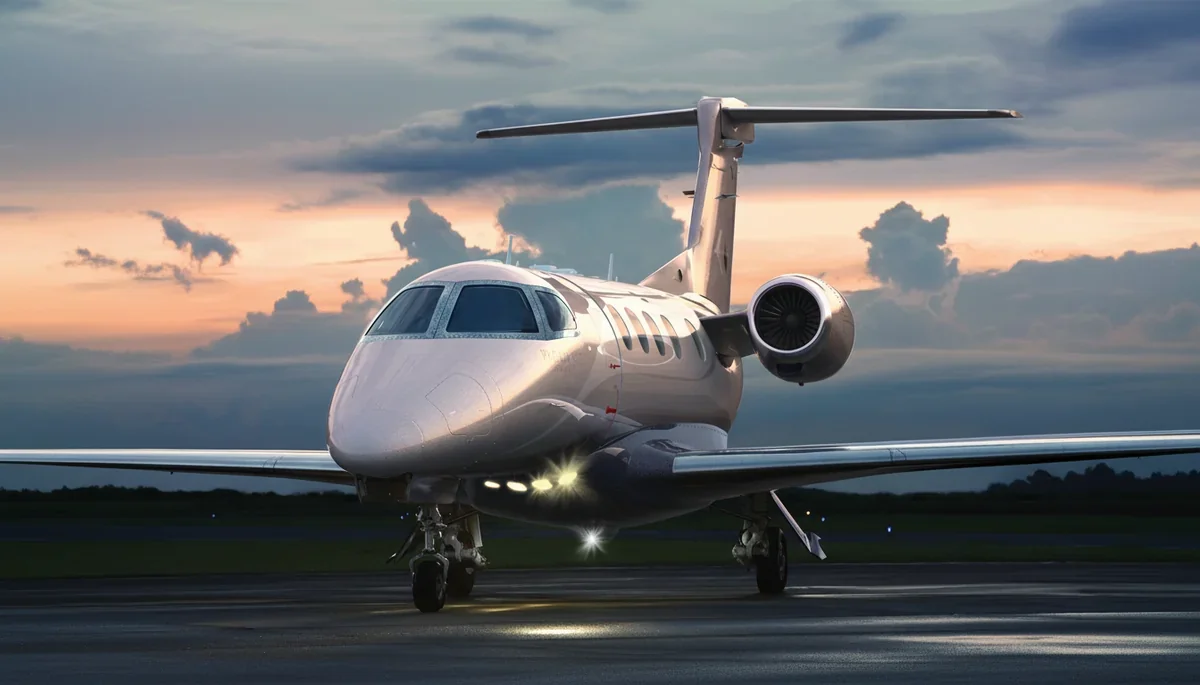
If passenger experience is your top priority, the Embraer Phenom 100EV deserves a close look. This jet is designed with comfort in mind, featuring a roomy cabin with large windows that fill the space with natural light. It’s known for providing an exceptionally smooth and quiet ride, allowing you to relax or work without interruption. The Phenom 100EV combines this luxurious feel with advanced safety features and a practical range suitable for most regional travel. It’s an excellent choice for those who want a sophisticated and comfortable environment in the sky, proving that a light jet doesn’t have to compromise on luxury.
HondaJet Elite S
The HondaJet Elite S is a leader in the very light jet category, celebrated for its cutting-edge design and remarkable performance. It consistently flies higher, farther, and faster than many of its competitors. One of its most talked-about features is the Over-The-Wing Engine Mount, which creates a much quieter cabin and allows for more space, including a small galley and a private lavatory. With hundreds of these jets in operation, the HondaJet has a proven track record of reliability. It’s a forward-thinking choice for buyers who value innovation and a superior in-flight experience, making it a top pick in our private jet fleet.
Mid-Size Jets: The Sweet Spot for Business Travel
If you find yourself needing more range than a light jet can offer but don’t quite require the heft of a heavy jet, the mid-size category is where you’ll find your perfect match. These aircraft are the all-rounders of the private aviation world, expertly balancing comfort, performance, and operational efficiency. They are popular for a reason: they can handle longer domestic routes, like New York to Los Angeles, and even some international trips without a fuel stop. This makes them an ideal choice for executives and small teams who need to travel for business without sacrificing productivity.
Inside, you’ll typically find a stand-up cabin, which makes a world of difference on longer flights. Amenities often include a proper galley for preparing refreshments, a fully enclosed lavatory for privacy, and comfortable seating arrangements that can be configured for meetings or relaxation. Mid-size jets can comfortably carry around eight passengers, making them versatile enough for both corporate travel and family getaways. They also retain the ability to access smaller airports, giving you more flexibility in your travel plans. Exploring the full Haute Jets fleet can give you a better sense of the options available in this popular category.
Cessna Citation XLS+
The Cessna Citation XLS+ is a true workhorse in the mid-size jet category and a favorite among business travelers. It’s known for its reliability and exceptional performance, especially on shorter runways. With a range of about 2,100 nautical miles, it’s perfectly suited for connecting major business hubs across the country. The cabin is where the XLS+ really shines; it’s one of the most spacious in its class, with a stand-up height that allows you to move around freely. It comfortably seats up to eight passengers and includes a well-equipped galley and a private lavatory, ensuring you and your team arrive at your destination feeling refreshed and prepared.
Embraer Phenom 300E
If speed and modern design are high on your list, the Embraer Phenom 300E is an outstanding choice. This jet is celebrated for its impressive performance and efficiency, getting you where you need to go quickly. It has a range of around 2,000 nautical miles and can accommodate up to 10 passengers in its sleek, thoughtfully designed cabin. The Phenom 300E features large windows that fill the space with natural light, creating an open and airy atmosphere. It also boasts a generous baggage compartment, so you won’t have to leave anything behind. It’s a fantastic option for those who value both style and substance in their aircraft.
Hawker 900XP
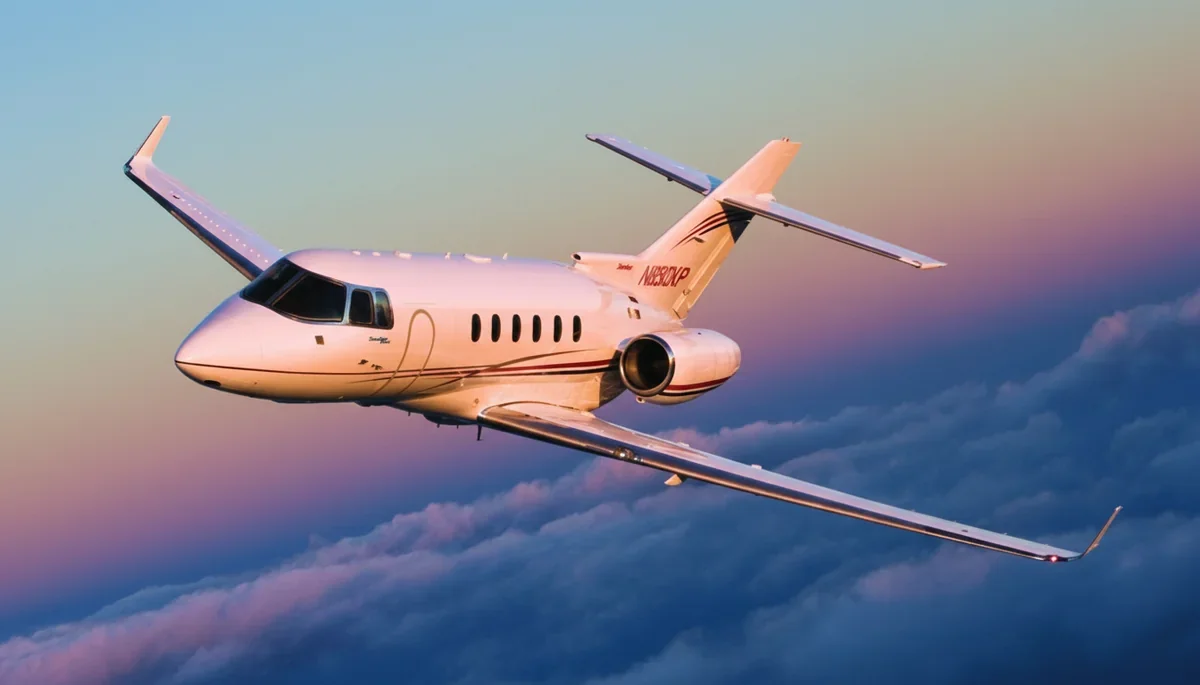
For those who need to cover more ground, the Hawker 900XP offers an impressive range of approximately 2,900 nautical miles, making it capable of longer-haul flights, including some transatlantic routes. This jet is a model of versatility and comfort, seating up to eight passengers in its spacious cabin. The interior is designed to be a productive and relaxing environment, featuring a full galley and a private lavatory. The Hawker 900XP is known for its solid performance and ability to balance range with comfort, making it a reliable choice for demanding travel schedules. If you’re considering a jet with this kind of capability, you can always request a charter quote to experience it firsthand.
Heavy Jets: Your Ticket to the World
When your travel plans span continents and oceans, a heavy jet is what gets you there. These aircraft are the cornerstones of international private travel, designed for long-haul flights that connect global capitals without a single stop for fuel. Think New York to Paris or Dubai to London in one seamless journey. Heavy jets offer the most spacious cabins, often with separate zones for working, dining, and resting. You can expect a full-service galley, lie-flat beds, and a dedicated flight attendant to cater to your needs.
Choosing a heavy jet means prioritizing range, capacity, and ultimate comfort. They typically seat 10 to 19 passengers, making them ideal for executive teams or family vacations. The performance capabilities of these jets allow them to fly higher and faster than their smaller counterparts, often soaring above commercial air traffic for a smoother, quicker trip. If you’re looking for an aircraft that serves as your office and home in the sky, exploring the heavy jet fleet is your next logical step. These jets aren’t just about transportation; they’re about creating a productive and restful environment while you cross the globe.
Bombardier Challenger 350
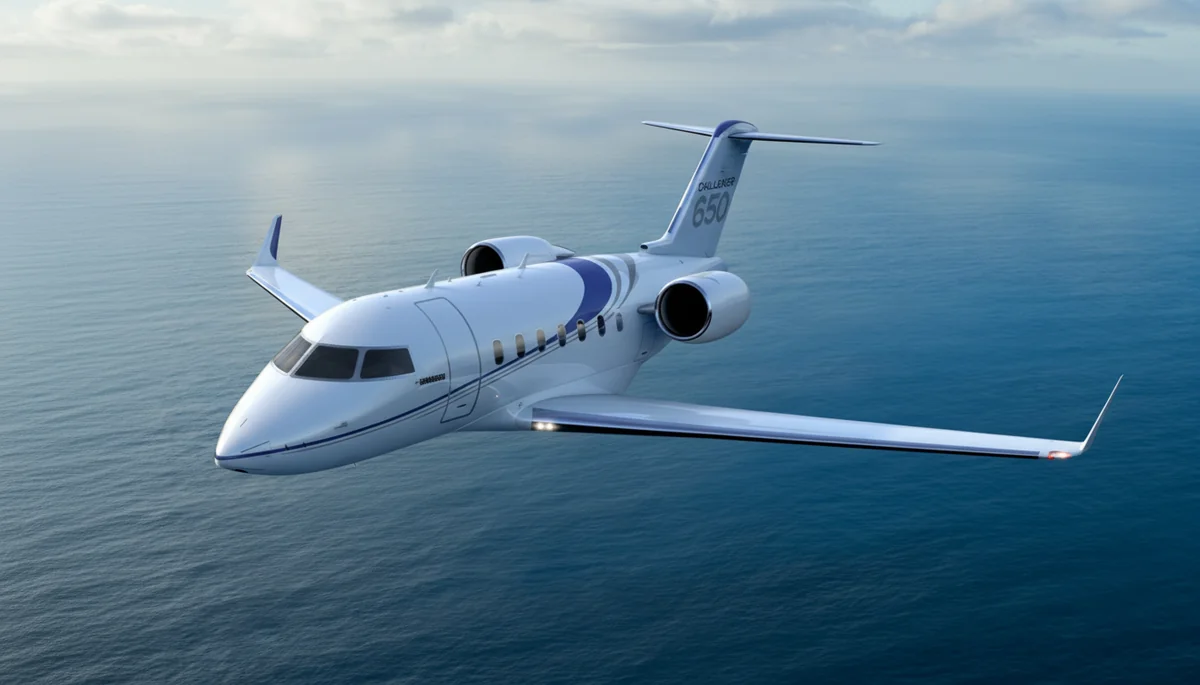
The Bombardier Challenger 350 has earned a stellar reputation, especially among business travelers who need a reliable and comfortable aircraft. It’s known for its exceptionally spacious and quiet cabin, which is perfect for holding meetings or simply relaxing. With a range of about 3,200 nautical miles, it can easily handle non-stop flights between major hubs like Los Angeles and New York. Aviation experts often point to its blend of refined comfort and solid performance as the reason for its popularity. It’s a jet that delivers a consistently smooth and luxurious experience, making it a top choice for frequent flyers.
Gulfstream G280
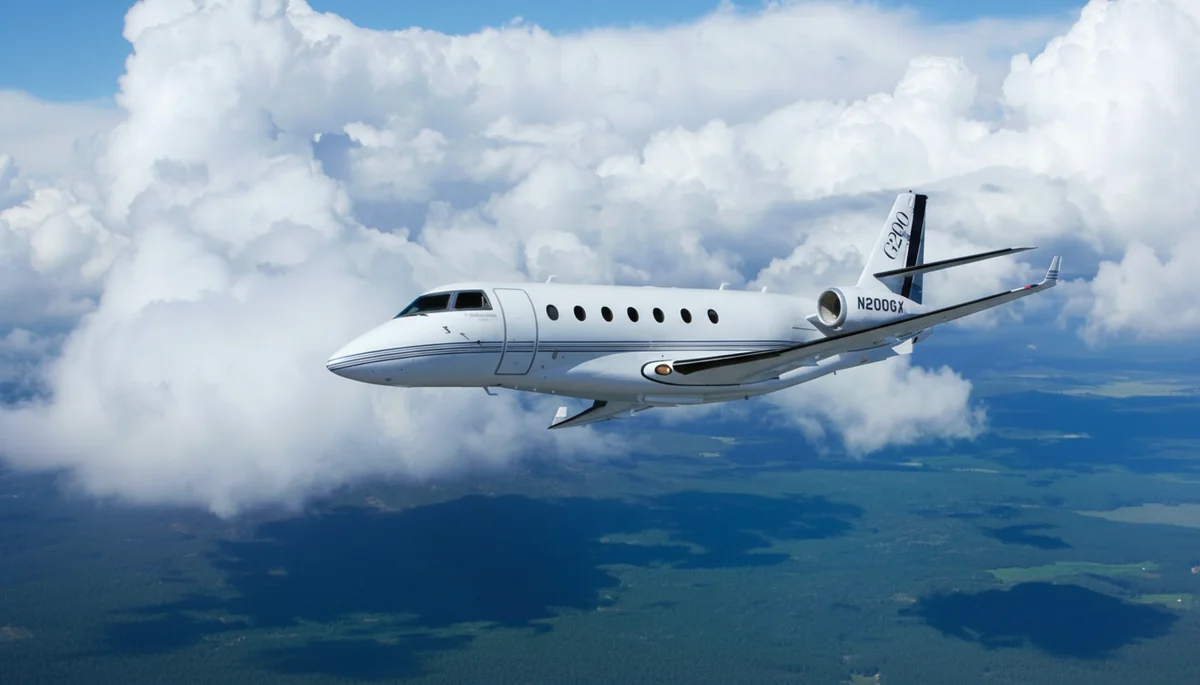
The Gulfstream G280 is a powerful jet that perfectly marries performance with luxury. It boasts an impressive range of 3,600 nautical miles, giving you the freedom to tackle transcontinental and transatlantic routes with ease. Inside, the G280 is designed for comfort, featuring a full galley and generous seating for up to 10 passengers. According to luxury travel guides, its advanced avionics contribute to an exceptionally smooth and quiet flight. This jet is an excellent choice for travelers who value both efficiency and a high-end, comfortable environment for their journeys.
Dassault Falcon 2000LXS
The Dassault Falcon 2000LXS is celebrated for its incredible versatility and efficiency. With a range of 4,000 nautical miles, it opens up a world of destinations. What truly sets this jet apart is its ability to operate on shorter runways, giving you access to smaller, more convenient airports that other jets in its class can’t reach. This flexibility makes it a fantastic option for travelers with varied itineraries. The cabin is designed for comfort and can be customized to fit your specific needs, ensuring a pleasant journey every time. It’s a powerful and adaptable aircraft for the discerning global traveler.
Ultra-Luxury Jets: When Comfort Is Everything
When your travel needs span continents and your standards for comfort are uncompromising, you enter the world of ultra-luxury jets. These aircraft represent the absolute peak of private aviation, blending incredible long-range capabilities with interiors that rival the finest five-star hotels. Think of them as your personal residence in the sky, designed for journeys where arriving refreshed and ready is non-negotiable. In this category, it’s not just about getting from point A to point B; it’s about the experience of the journey itself.
These jets are engineered for global travel, connecting far-flung cities without the need for fuel stops. Inside, you’ll find spacious, multi-zone cabins that can be configured with private bedrooms, full-sized dining areas, and entertainment lounges. The attention to detail is meticulous, from handcrafted finishes to advanced technology that ensures a quiet, smooth flight. For individuals and corporations who operate on a global scale, owning an ultra-luxury jet is a practical tool for productivity and a statement of success. Exploring the Haute Jets fleet gives you a glimpse into this exclusive world of aviation.
Gulfstream G650ER
The Gulfstream G650ER is an icon in the world of private aviation, and for good reason. It’s renowned for its elegant design and powerful performance, making it a top choice for discerning travelers. The G650ER’s cabin is exceptionally spacious and can be configured to feel like a true home in the sky. Many layouts include a dedicated dining area, a comfortable living space with a couch for relaxing, and a private stateroom at the back for complete privacy on long-haul flights. This jet is the perfect marriage of luxury and capability, designed for those who refuse to compromise on either.
Bombardier Global 7500
If your travel map has no borders, the Bombardier Global 7500 is the aircraft for you. This jet stands out for its remarkable ability to connect almost any two cities in the world non-stop. It features the widest cabin in its class, creating an open and airy environment that feels incredibly spacious. Bombardier equipped the Global 7500 with its innovative ‘Nuage’ seats, which are engineered for exceptional comfort on long flights. This aircraft is the ultimate tool for global business or leisure, ensuring you arrive at your destination feeling rested and ready for whatever comes next. You can request a quote to experience this level of travel firsthand.
Dassault Falcon 8X
The Dassault Falcon 8X is a masterclass in French engineering, offering a unique blend of long-range performance, efficiency, and style. It’s built for extensive travel, with a spacious cabin that can be highly customized to meet an owner’s specific needs and tastes. Whether you need a flying office, a family room, or a quiet retreat, the Falcon 8X can be configured to match your lifestyle perfectly. With its focus on creating a pleasurable and productive environment, this jet is a preferred choice for those who value both sophisticated design and practical functionality. It’s a fantastic option to consider when you’re ready to buy a jet.
What’s the Price Tag on a Private Jet?
Thinking about buying a private jet is exciting, but the first question on everyone’s mind is usually about the price. The truth is, the cost of a private jet varies as much as the cost of a house. You can find older, pre-owned models for a few million dollars, while a brand-new, top-of-the-line jet can run into the tens of millions. The final price depends on the aircraft’s size, range, age, and level of customization.
Just like any major investment, the initial purchase price is only one part of the equation. You also have to consider ongoing operational costs, which we’ll get into later. But for now, let’s focus on the upfront investment. Whether you’re looking for a nimble light jet for short regional trips or a globe-spanning heavy jet for international business, there’s an aircraft that fits your mission. Understanding the market and what drives these prices is the first step toward making a smart purchase. If you’re weighing ownership against on-demand travel, it’s helpful to compare these figures with typical private jet rental costs.
Breaking Down the Initial Purchase Price
So, what are the actual numbers? A brand-new, very light jet like the Cirrus VisionJet might cost around $3.5 million. On the other end of the spectrum, a large, ultra-long-range jet such as the Gulfstream G700 can have a sticker price of nearly $80 million. Most new private jets fall somewhere between $5 million and $30 million. The price is influenced by the manufacturer, the size of the aircraft it belongs to, its performance capabilities, and the technology in the cockpit. Think of it as buying a car—the base model is one price, but adding advanced features and luxury interiors will increase the final cost.
New vs. Pre-Owned: What’s the Cost Difference?
One of the best ways to manage the initial investment is to consider a pre-owned jet. The vast majority of private jets on the market are pre-owned, and for good reason. A used aircraft can offer incredible value, often costing millions less than its brand-new counterpart. While you might not get that “new plane smell,” a well-maintained, pre-owned jet can provide the same level of safety, comfort, and performance. When you’re ready to buy a jet, exploring the pre-owned market opens up a much wider range of options that can fit your budget without compromising on quality. It’s a practical route many first-time and experienced owners choose.
Financing Your Jet: Options and Down Payments
You don’t always have to pay for a multi-million dollar aircraft in cash. Just like with other major assets, financing is a common and practical option for purchasing a private jet. Lenders who specialize in aviation finance can offer loan structures tailored to your financial situation. Typically, you can expect to make a down payment of around 10% to 25% of the purchase price. Working with an experienced broker can simplify this process, as they often have established relationships with financial institutions and can help you secure favorable terms. This makes the dream of ownership much more accessible than you might think.
Don’t Forget Tax Benefits and Depreciation
One of the most significant financial advantages of buying a private jet, especially for business use, is the potential for tax benefits. In the United States, current tax laws may allow you to deduct the full purchase price of the aircraft in the first year of ownership through 100% bonus depreciation. This can result in substantial tax savings, effectively lowering the net cost of your investment. Of course, tax regulations are complex and can change, so it’s essential to consult with a qualified tax advisor to understand how these benefits apply to your specific situation. This single factor can dramatically alter the financial picture of jet ownership.
How Much Does It Really Cost to Own a Private Jet?
The initial purchase price of a private jet is just the first chapter of the story. The true cost of ownership unfolds over time through a series of recurring expenses that are essential for keeping your aircraft safe, compliant, and ready to fly. Think of it less like buying a car and more like acquiring a sophisticated business with its own operational budget. From maintenance and crew salaries to hangar fees and fuel, these ongoing costs can add up to a significant percentage of the jet’s initial value each year.
Understanding these expenses is crucial before you decide to buy a jet. It helps you create a realistic budget and weigh the benefits of full ownership against more flexible options like chartering. While owning an aircraft offers unparalleled freedom and convenience, it’s important to have a clear picture of the financial commitment involved. For many, comparing these long-term costs to the straightforward private jet rental costs of on-demand charters provides valuable perspective. Let’s break down the key expenses you can expect as a private jet owner.
Annual Maintenance and Inspections
Just like any high-performance machine, a private jet requires consistent care to operate safely and reliably. Annual maintenance and inspections are non-negotiable. These aren’t just quick check-ups; they are thorough examinations mandated by aviation authorities to ensure every system is in perfect working order. Sticking to a strict maintenance schedule not only guarantees compliance with regulations but also prevents minor issues from becoming major, costly repairs down the road. Budgeting for these regular checks is a fundamental part of responsible aircraft ownership, protecting both your investment and everyone who flies on board.
Insurance and Registration
Once you own a jet, you need to protect it. Aircraft insurance is a significant annual expense, providing liability and hull coverage that safeguards your multi-million dollar asset against unforeseen events. The cost can vary widely based on the type of aircraft, how you use it, and the pilot’s experience level. In addition to insurance, you’ll have administrative fees. This includes registering your aircraft with the Federal Aviation Administration (FAA), a process that involves an initial fee and periodic renewals. These costs are essential for legally operating your jet and ensuring you’re financially protected.
Hangar and Storage Costs
Your private jet needs a home, and that home is a hangar. Storing your aircraft in a secure, climate-controlled hangar protects it from weather, sun damage, and security risks, which is vital for preserving its condition and resale value. Hangar fees are a major recurring cost that depends heavily on the airport’s location and the amenities offered. A spot at a busy metropolitan airport will naturally cost more than one in a more remote location. When budgeting for ownership, be sure to research the hangar options and associated costs at your preferred home base airport.
Budgeting for Your Pilot and Crew
Unless you’re a certified pilot yourself, you’ll need a professional crew to fly your jet. This is one of the largest operational expenses. You have a couple of options: hire your own full-time pilots and flight attendants or use a management company that provides crew services. Hiring a dedicated crew means covering salaries, benefits, insurance, and ongoing training to keep their skills sharp and certifications current. While this offers maximum availability and familiarity, it comes at a premium. Factoring in crew costs is essential for creating an accurate picture of your annual operating budget.
Factoring in Fuel and Operations
Every flight comes with its own set of costs, with fuel being the most significant variable. Fuel prices fluctuate and can represent a huge portion of your annual budget, so considering a jet’s fuel efficiency is a smart move. You can explore our diverse fleet to see how different models compare. Beyond fuel, you have other operational expenses for each trip. These include landing and handling fees at airports, catering for you and your guests, navigation chart subscriptions, and onboard Wi-Fi. These per-flight costs add up quickly and are a critical component of the total cost of ownership.
Which Jet Category Is Right for You?
Choosing the right private jet is less about finding the “best” one and more about finding the one that fits your life perfectly. The ideal aircraft is a direct reflection of your travel habits, business needs, and personal style. With so many options available, from nimble light jets to globe-spanning ultra-long-range aircraft, the key is to match the machine to your mission. Before you get lost in the specifics of different models, start by answering a few simple questions about how you plan to fly.
This process will help you narrow down the vast market to a select few categories that make sense for you, ensuring your investment truly serves its purpose. Think of it as creating a blueprint for your travel life. By defining your needs upfront, you can confidently select an aircraft that feels like a natural extension of your home or office. Let’s walk through the key factors that will guide you to the right choice, making the entire process feel less overwhelming and more exciting.
How Many People Are You Flying?
First, think about your typical travel companions. Are you usually flying solo for business, taking your executive team to a meeting, or heading out on a family vacation? The number of seats you need is the most straightforward way to start filtering your options. A light jet is perfect for intimate groups of four to six, while a heavy jet can comfortably accommodate a dozen or more passengers. Take a moment to review our global fleet to see how cabin size varies across different categories. Considering who you fly with most often will prevent you from buying too much plane—or worse, not enough.
How Far Do You Need to Go?
Next, consider your destination. Do you primarily take short trips between nearby cities, or are you planning cross-country flights and international journeys? A jet’s range determines how far it can fly without refueling. A light jet is efficient for regional travel, but for a non-stop flight from New York to London, you’ll need a long-range heavy jet. An expert buying guide suggests looking at your travel patterns over the last year to predict future needs. Matching the aircraft’s range to your typical mission profile is crucial for both convenience and cost-effectiveness.
Where Will You Be Landing?
One of the greatest advantages of private aviation is flexibility. Private jets can access thousands of smaller airports that commercial airlines can’t, getting you closer to your final destination. However, not all jets can handle all runways. A larger, heavier aircraft requires a longer runway, which might limit your options. If your travel frequently takes you to remote locations or airports with shorter runways, a more agile light or mid-size jet might be the better choice. This freedom to land at over 5,000 airports in the U.S. alone is a key benefit you’ll want to maximize.
Speed and Performance: What Matters Most?
For many business travelers, time is the ultimate luxury. Faster jets can significantly cut down on travel time, but they also come with higher operational costs. You’ll need to decide what matters more: reaching your destination as quickly as possible or keeping fuel and maintenance expenses in check. Performance isn’t just about speed; it’s also about the ability to fly direct routes and operate on your own schedule. Understanding the private jet rental costs associated with different performance levels can help you find the right balance between efficiency and your budget, ensuring every flight is as productive as it is pleasant.
Weighing the Pros and Cons of Each Jet Class
Choosing the right jet class is a lot like choosing the right car—what works for a quick trip to the city isn’t what you’d take on a cross-country road trip. Each category offers a unique balance of range, comfort, and cost. Understanding these trade-offs is the key to finding the perfect aircraft for your travel style. Let’s break down what you can expect from each class, from nimble light jets to palatial ultra-luxury models. This will help you clarify your priorities and narrow down your search to the jets that truly fit your life and business needs.
Light Jets: Agile and Efficient
Think of light jets as the sports cars of the sky. They are perfect for shorter, regional flights, typically carrying 4-6 passengers for trips around 1,000 miles. Their biggest advantage is their ability to access smaller airports with shorter runways, getting you closer to your final destination and away from busy commercial hubs. While you won’t find a full galley or stand-up cabin, most light jets include essential comforts like a private lavatory. They are a practical and cost-effective choice for quick business meetings or weekend getaways, offering speed and efficiency without the operating costs of a larger aircraft.
Mid-Size Jets: The All-Rounder
Mid-size jets hit the sweet spot between efficiency and comfort, making them one of the most popular categories. Ideal for continental travel, they can fly 5-10 passengers on non-stop trips of 2,000 to 3,000 miles. Inside, you’ll find a more spacious cabin where you can stand up and move around, along with amenities like a snack area and more baggage capacity. This versatility makes them a fantastic all-rounder for both business and family travel. You can explore a wide variety of models in our private jet fleet to see how features and layouts differ across this popular class.
Heavy Jets: Power and Prestige
When your business or leisure takes you across oceans, a heavy jet is what you need. These aircraft are built for long-haul, intercontinental flights, with ranges from 4,000 to over 7,500 miles. They offer spacious, multi-zone cabins that can be configured with conference rooms, private sleeping quarters, lounges, and even full kitchens. With seating for 9-16 passengers and a dedicated flight crew, heavy jets provide an environment where you can work, dine, or rest in total comfort. They represent the pinnacle of private aviation, combining powerful performance with a truly luxurious and productive in-flight experience for global travelers.
Ultra-Luxury Jets: The Ultimate Experience
For those who demand the absolute best, ultra-luxury jets are essentially flying mansions. These are typically customized heavy jets, like a Gulfstream or Bombardier Global, outfitted with the most extravagant amenities imaginable. Think master suites with full showers, formal dining rooms, and interiors adorned with the finest materials. These aircraft are designed for heads of state, royal families, and top-tier executives who require unparalleled comfort, security, and personalization on their global travels. While they come with a significant price tag, they offer an experience that is truly in a class of its own, making any journey feel effortless.
New, Pre-Owned, or Something Else Entirely?
Deciding to fly private is one thing; deciding how you’ll fly private is another. Full ownership is the classic dream, but it’s not the only path to the skies. From buying a share of an aircraft to chartering on-demand, your options are more flexible than you might think. The right choice comes down to your travel frequency, budget, and how much control you want over your aircraft and schedule. Let’s look at the most common ways to access a private jet.
The Reality of Full Ownership
Owning your private jet offers the ultimate freedom and control. It’s your aircraft, ready to go on your schedule, configured exactly to your tastes. This level of convenience, privacy, and comfort is unmatched. If you spend a significant number of hours in the air each year, full ownership can be a logical and worthwhile investment. However, it’s a serious commitment. Beyond the initial purchase price, you’re responsible for all ongoing operational costs, including maintenance, inspections, crew salaries, hangar fees, and insurance. When you’re ready to explore this option, working with experts can help you find the perfect aircraft and guide you through the process to buy a jet that fits your mission.
What About Fractional Ownership?
Think of fractional ownership as a timeshare for a private jet. Instead of buying an entire aircraft, you purchase a share, which entitles you to a specific number of flight hours per year. You share the jet—and its associated costs—with other owners. This model gives you many of the benefits of ownership, like guaranteed access to an aircraft, but without the financial and management responsibilities of being the sole owner. It’s a popular middle ground for individuals and businesses that fly consistently but don’t quite meet the threshold where full ownership makes financial sense. This approach provides a taste of ownership with a more manageable price point and less operational hassle.
Chartering vs. Owning: A Cost Breakdown
For many travelers, chartering is the most practical and financially sound choice. You get all the core benefits of private aviation—the luxury, efficiency, security, and flexibility—without the multimillion-dollar price tag and long-term commitment of ownership. While a new private jet can cost anywhere from $5 million to over $30 million, a charter flight is a pay-as-you-go service. If your travel needs are infrequent or vary trip by trip, it’s almost always more economical to rent. Chartering also gives you the flexibility to choose the perfect aircraft for each specific journey from a vast global fleet, ensuring you never pay for more plane than you need.
Thinking Ahead: Resale Value
If you do decide that full ownership is the right path, it’s important to approach the purchase as a long-term investment. Just like any major asset, a private jet has a resale value that you should consider from day one. The aircraft’s age, condition, maintenance history, and model popularity all play a role in how well it holds its value over time. Before you buy, think about your exit strategy. An experienced aircraft broker can provide critical insights into market trends and help you choose an aircraft that not only meets your current needs but also represents a sound financial decision for the future.
Your Final Checklist Before You Buy
Buying a private jet is a significant investment, and the final steps are just as important as the initial research. Once you’ve narrowed down your options and are ready to move forward, it’s time to focus on the details that ensure a smooth and successful purchase. This checklist covers the essential final steps, from finding the right professional guidance to planning for the future, making sure you’re fully prepared for aircraft ownership.
Find an Experienced Aircraft Broker
You wouldn’t buy a multi-million dollar home without a real estate agent, and the same logic applies here. Working with an experienced aircraft broker is crucial. Think of them as your personal guide through the complex world of aircraft acquisition. A great broker does more than just find listings; they analyze the market, assess the true value of an aircraft, and handle the intricate negotiations and paperwork on your behalf. They’ll help you find the perfect match for your needs and budget, ensuring you make a sound investment. If you’re ready to take the next step, our team can help you buy a jet with confidence and clarity.
Insist on Pre-Purchase Inspections
A pre-purchase inspection is your single most important piece of due diligence. This isn’t just a quick look-over; it’s a comprehensive, nose-to-tail examination of the aircraft and its maintenance records by a qualified third-party mechanic. Your broker will help arrange this crucial step. The inspection can uncover potential issues that aren’t visible on the surface, from mechanical wear to discrepancies in the logbooks. It protects you from costly surprises down the road and gives you significant leverage in final price negotiations. Never skip this step—it’s your best protection against buying a plane with a hidden history.
Understand Regulatory and Certification Rules
The aviation industry is governed by a web of complex regulations that vary by country and region. An experienced broker is invaluable here, as they can manage the legal documentation, tax implications, and registration process for you. They ensure the aircraft meets all necessary airworthiness directives and certification standards for where you plan to fly. Getting this right from the start prevents legal headaches and ensures your aircraft is fully compliant and ready for operation the moment you take ownership. This is one area where professional expertise is absolutely essential.
Define Your Long-Term Ownership Strategy
Before you sign the final papers, think about your long-term plan. Are you planning on full ownership, or would a fractional ownership model better suit your needs? It’s also wise to consider how you’ll manage the aircraft. Will you hire your own flight crew and management team, or use a management company? For many, a practical first step is to experience the private jet lifestyle without the commitment of ownership. You can always charter flights on demand to confirm which aircraft type best fits your travel patterns before making a final decision. This approach lets you gather real-world data on your needs.
Related Articles
- Costs of Owning vs. Chartering Private Jets: Cost Comparison | Haute Jets
- charter a private jet vs ownership Archives – Haute Jets
- owning vs chartering a private jet Archives – Haute Jets
Frequently Asked Questions
How many hours do I need to fly per year for ownership to be worth it? While there isn’t a single magic number, the general rule of thumb is that if you fly more than 200 hours annually, the economics of full ownership start to look very attractive. Below that, the costs of chartering are often more manageable. However, it’s not just about the hours. If you require maximum flexibility, need a specific aircraft configuration for your business, or find that on-demand charters can’t always meet your last-minute needs, ownership can make sense even with slightly fewer hours.
Can my jet generate income when I’m not flying? Absolutely. Many owners choose to place their aircraft on a Part 135 charter certificate when they aren’t using it. This allows a management company to charter your jet out to other travelers, creating a steady stream of revenue. This income can significantly offset your annual operating costs, such as maintenance, crew salaries, and hangar fees, making ownership a much more efficient financial strategy.
Is buying a pre-owned jet a risky investment? Not at all, as long as you approach it with the right diligence. A well-maintained pre-owned aircraft can provide the same safety and performance as a new one for a fraction of the cost. The key is to work with an experienced broker and, most importantly, to conduct a thorough pre-purchase inspection. This comprehensive review of the aircraft and its logbooks will uncover any potential issues, ensuring you know exactly what you’re buying and protecting you from future surprises.
What’s the single biggest mistake a first-time buyer can make? The most common misstep is trying to handle the process alone to save money. Buying a private jet is an incredibly complex transaction with significant financial and regulatory implications. Skipping a professional broker or a pre-purchase inspection can lead to overpaying for an aircraft or, worse, buying a jet with hidden mechanical problems that will cost a fortune to fix. Investing in a great team from the start is the best way to protect your investment.
Besides a broker, who else should be on my team when I buy a jet? Building the right team is essential. In addition to an experienced aircraft broker, you will need an aviation attorney to review all contracts and ensure the title is clear. You should also consult with a tax advisor who specializes in aviation to make sure you are structured to take full advantage of benefits like bonus depreciation. Finally, you’ll need to decide on your management plan, which involves either hiring your own crew or engaging a professional aircraft management company to handle all the operational details for you.