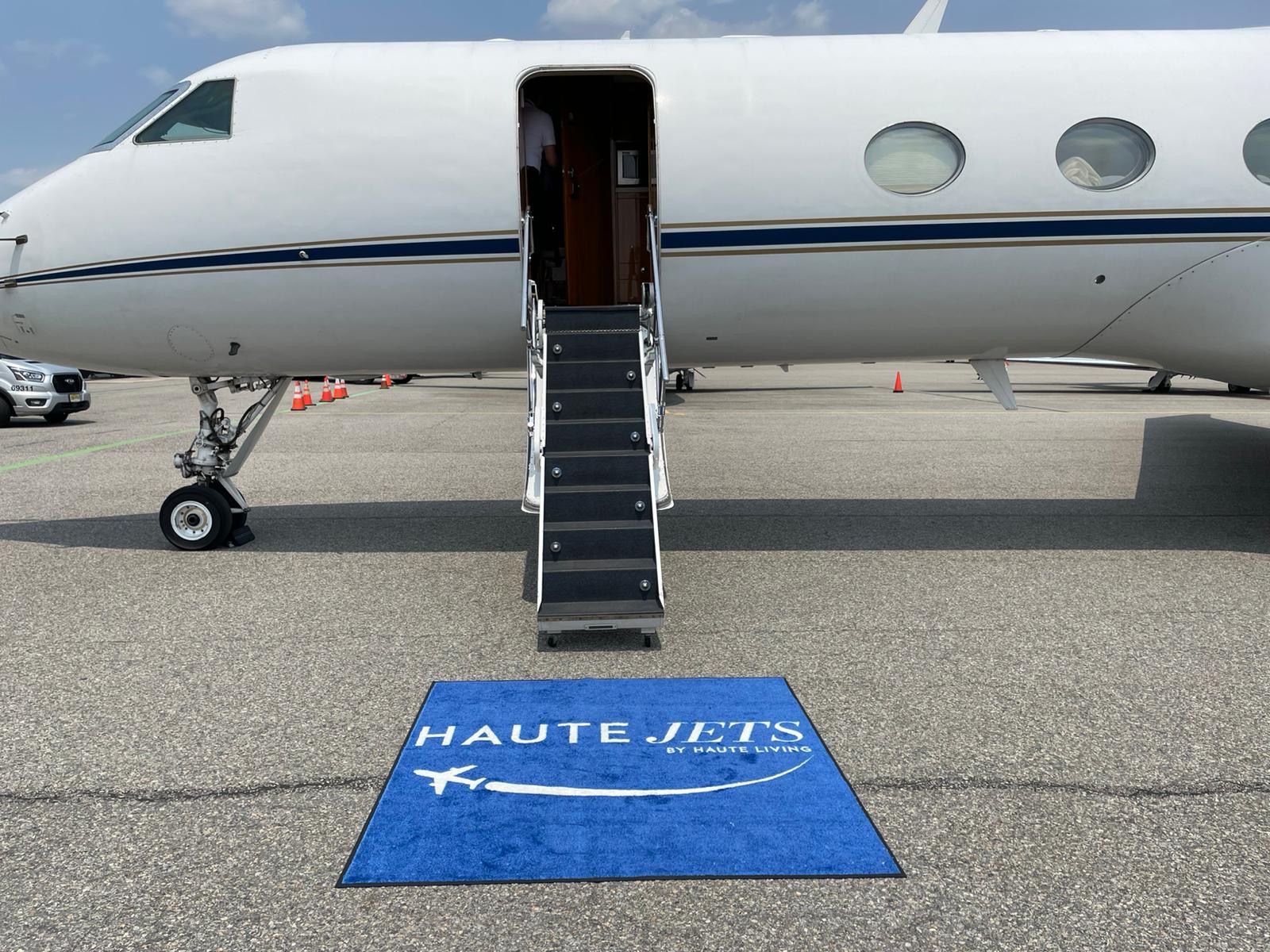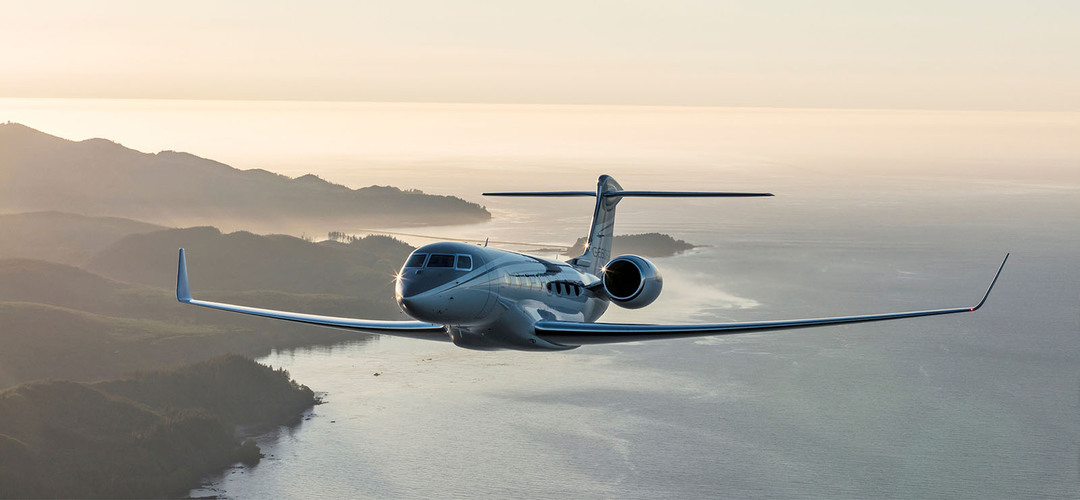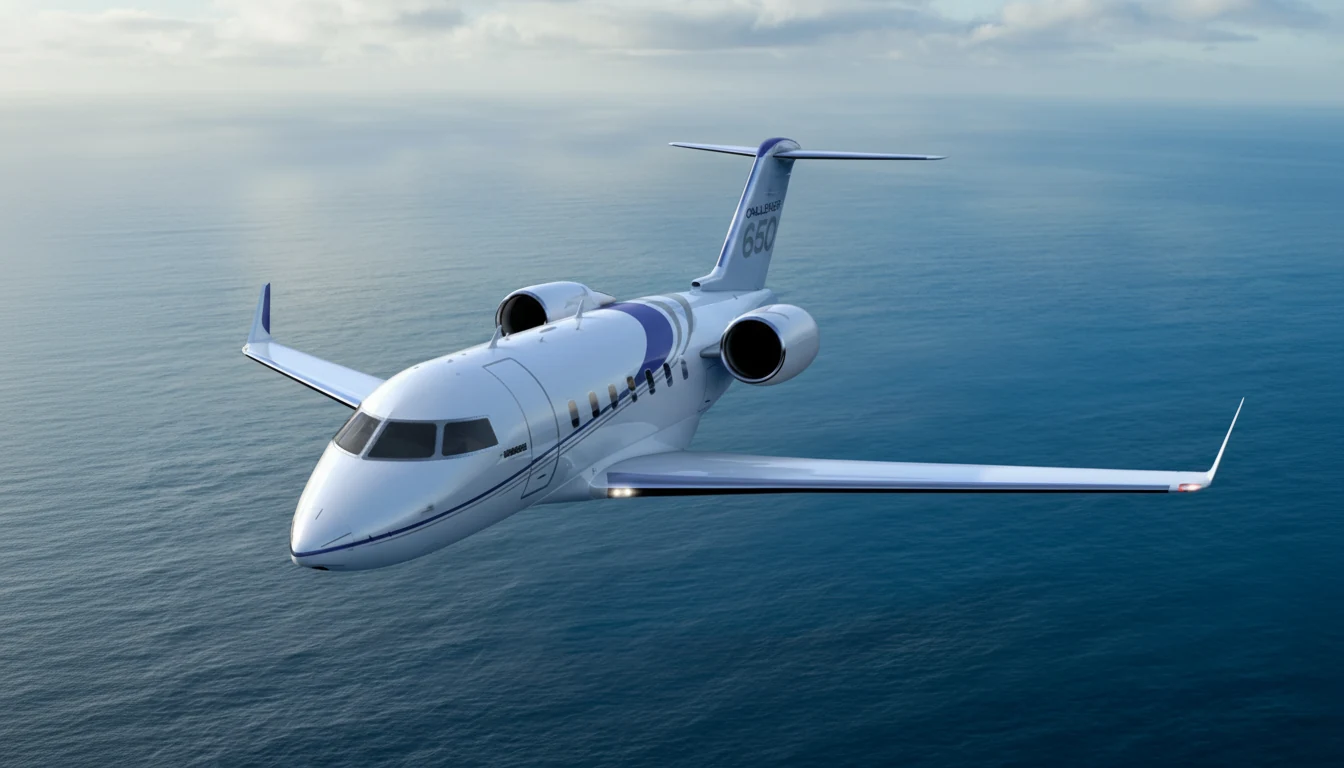
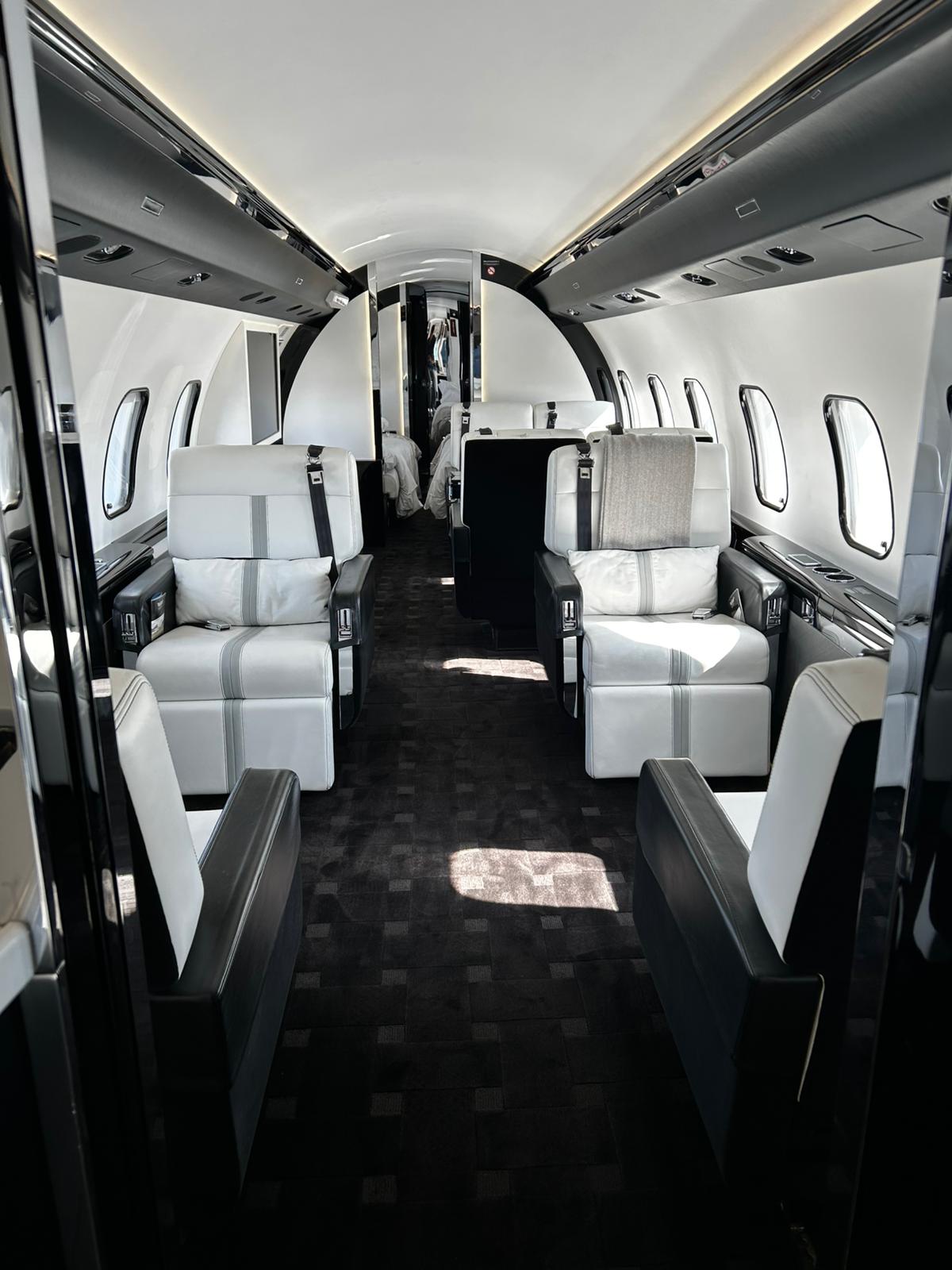
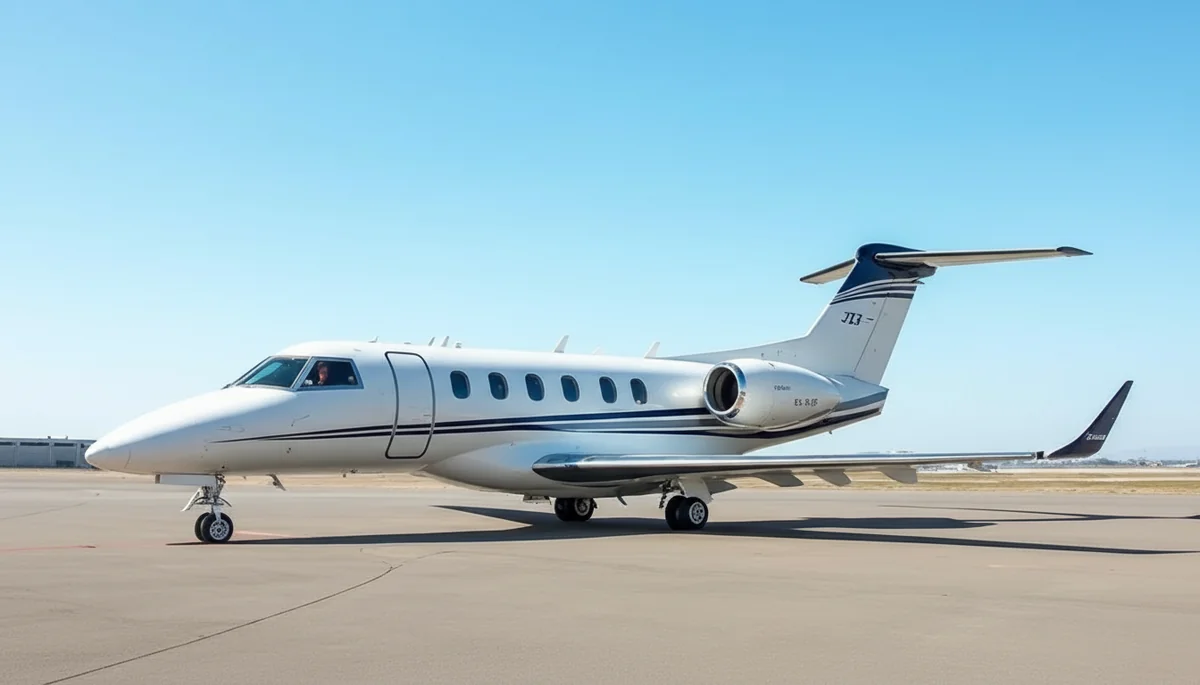
The luxurious interior of a private jet, a key factor in determining charter pricing.

The Insider’s Guide to Private Charter Pricing

One of the biggest myths about private aviation is that it’s an unattainable luxury. While it’s certainly a premium experience, understanding how charter pricing works reveals a surprising level of value, especially when you consider what you get in return. You’re not just buying a seat; you’re investing in efficiency, privacy, and unparalleled convenience. When you travel with a group, the per-person cost can become surprisingly competitive with commercial first-class tickets. This article will walk you through the different pricing models, from on-demand charters to empty leg flights, helping you see beyond the initial numbers and understand the true value of taking control of your travel schedule.

Key Takeaways

  • Look Beyond the Hourly Rate: Your final charter price is a transparent sum of the aircraft’s base rate, flight time, airport fees, taxes, and any custom services, ensuring there are no surprises.
  • Match the Jet to the Journey: The type of aircraft you select is the single biggest factor in your charter price, so choosing the right size and range for your trip is the most effective way to align the cost with your needs.
  • Embrace On-Demand Flexibility for Better Value: Direct, on-demand charters provide complete freedom without large upfront fees, and keeping your schedule open can unlock significant savings on empty leg flights.

What Determines Your Charter Price?

When you charter a private jet, you’re not just buying a seat—you’re securing a personalized travel experience. Because every trip is unique, the price is tailored to your specific needs. Think of it less like a fixed ticket price and more like a custom quote built from several key components. Understanding these factors will help you see exactly what goes into your final charter cost and ensure there are no surprises along the way.

From the type of aircraft you choose to the specific airports you use, every detail plays a role. The final price reflects the distance of your journey, the time of year you fly, and any special services you request to make your trip perfect. Let’s walk through the five main elements that determine the cost of your private jet rental so you can plan your next flight with confidence.

Aircraft Type and Size

The single biggest factor influencing your charter price is the aircraft itself. Just like cars, jets come in various sizes and classes, each with a different hourly rate. A nimble light jet designed for short regional hops will naturally cost less than a spacious, ultra-long-range jet capable of crossing oceans. Your choice depends on how many people are traveling, how much luggage you have, and the level of comfort you desire. Exploring a diverse fleet of aircraft allows you to find the perfect match for your mission, whether it’s a quick business trip or a luxurious family vacation. A larger cabin, more amenities, and a longer range all contribute to a higher hourly rate.

Flight Distance and Duration

It makes sense that the farther you fly, the more it will cost. Charter prices are typically calculated based on an hourly rate, which can range from around $2,000 for a turboprop to over $15,000 for a heavy jet. A longer flight means more hours in the air, which directly increases the total price due to fuel consumption, crew time, and maintenance cycles. While a short one-hour flight might seem straightforward, remember that many operators have a minimum daily flight time, often two hours, to ensure operational costs are covered. This means a very short trip could be billed at this minimum rate.

Departure and Arrival Airports

Where you take off and land also affects your final quote. Different airports have their own fee structures, and these costs are passed on to you. Major international airports often have higher landing fees, handling charges, and taxes compared to smaller, regional airfields that cater specifically to private aviation. The specific Fixed-Base Operator (FBO)—the private terminal you use—can also have varying service and ramp fees. Choosing airports that are less congested or have lower operational costs can sometimes help manage your budget without compromising on convenience. These charges are itemized in your quote, so you’ll always see exactly what you’re paying for.

Peak Travel Times and Seasonality

Like any form of travel, supply and demand play a significant role in private jet charter pricing. Flying during major holidays like Thanksgiving or Christmas, or heading to popular events like the Super Bowl or Art Basel, will almost always be more expensive. During these peak periods, more people are looking to fly, which means aircraft and crew are in high demand. If your travel dates are flexible, you can often find more competitive pricing by flying during the off-season or on weekdays instead of weekends. Planning ahead is key, but one of the great advantages of private travel is the ability to book on short notice when you need to.

Additional Services and Amenities

Your charter flight is built around you, and that includes any special requests that make your journey more comfortable and seamless. These additional services will be factored into your final price. Common requests include custom catering with specific meals or beverages, arranging for ground transportation upon arrival, or requiring high-speed Wi-Fi for in-flight productivity. In colder climates, de-icing services are a necessary safety measure that comes with an additional charge. When you request a quote, be sure to mention any specific needs so they can be included in your initial pricing for full transparency.

How Much Do Different Private Jets Cost Per Hour?

The type of aircraft you choose is one of the biggest factors influencing your final charter price. It’s not just about the size; it’s about range, speed, and the level of comfort you want on board. Think of it like choosing a car—a compact sedan for a city trip has a very different price tag than a luxury SUV for a cross-country road trip. The same principle applies to private jets. The hourly rates we’ll cover are a great starting point for budgeting, but remember that the final quote will also include other variables like airport fees, taxes, and any special requests. Our goal here is to give you a clear picture of what to expect from each category, so you can find the perfect aircraft for your specific travel needs. You can explore our extensive fleet to see detailed specifications for many of the aircraft mentioned below.

Light Jets ($2,000-$3,000/hour)

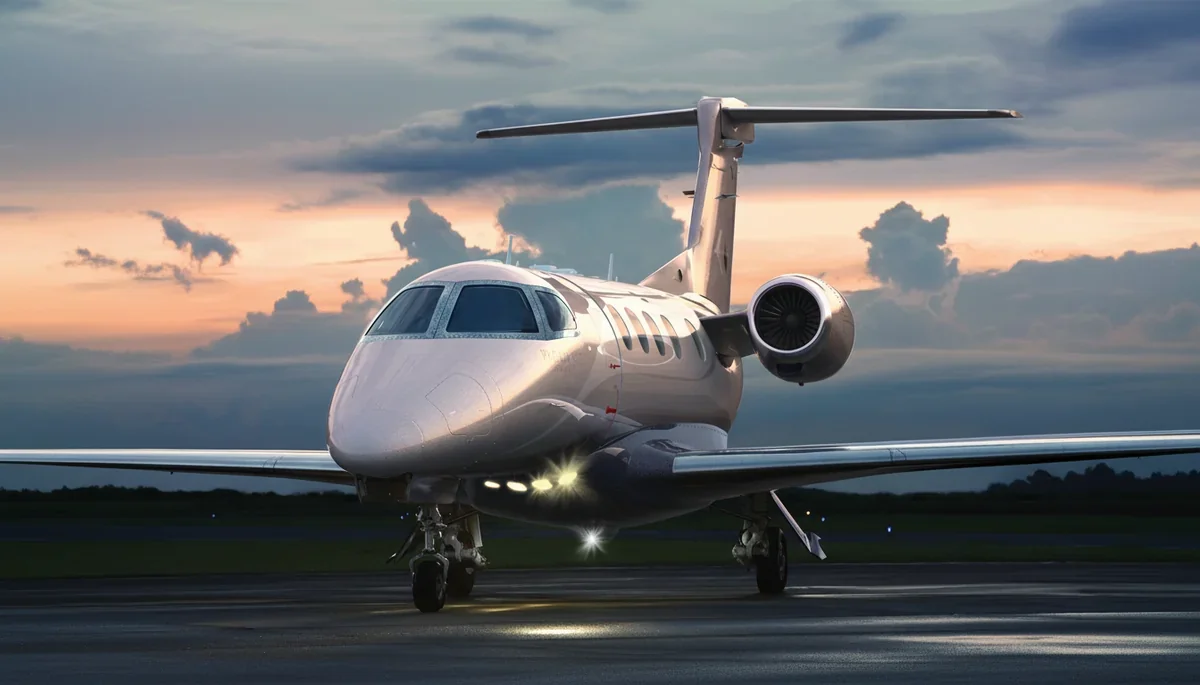
Perfect for shorter regional flights, light jets are the most economical option in private aviation. They comfortably seat between 4 and 7 passengers, making them ideal for quick business trips or weekend getaways. Think flights from New York to Boston or Los Angeles to Las Vegas. While they are more compact, they offer significant speed and convenience over commercial travel, allowing you to access smaller airports closer to your final destination. Popular models like the Cessna Citation CJ3 and Embraer Phenom 300 provide a comfortable and efficient way to travel without the premium cost of a larger aircraft.

Midsize Jets ($3,000-$5,000/hour)

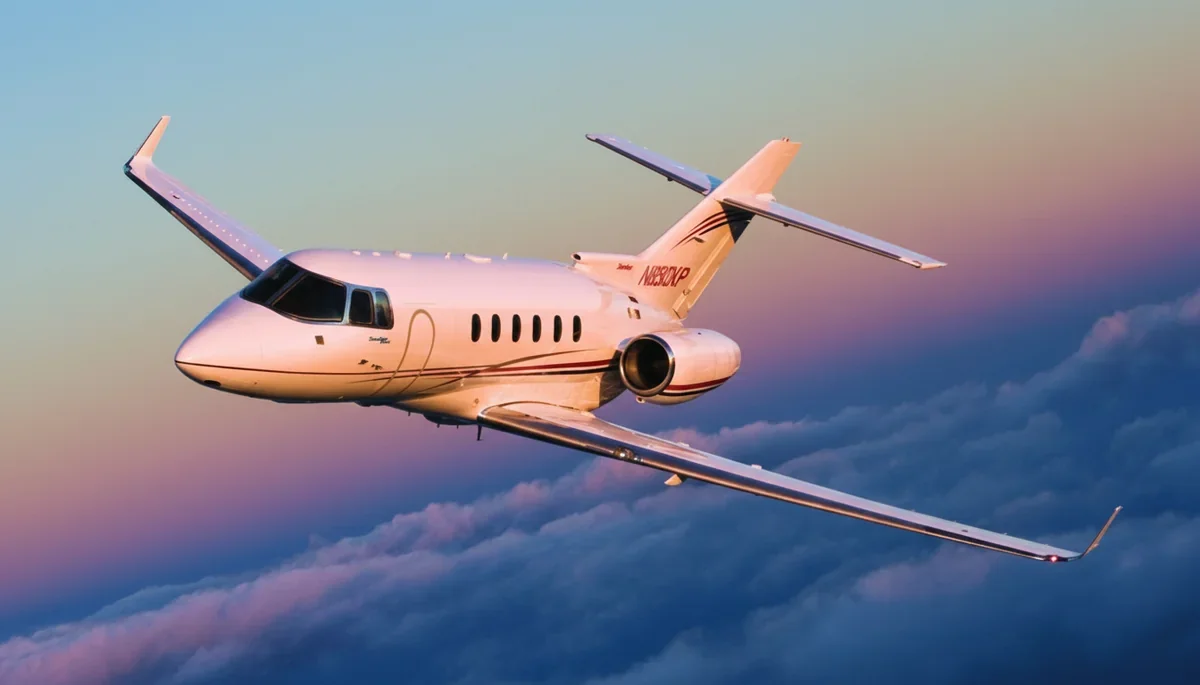
When you need a bit more room and range, midsize jets are an excellent choice. They offer a more spacious cabin than light jets, typically accommodating 6 to 9 passengers, and often have enclosed lavatories and more baggage capacity. This category is perfect for longer domestic flights, such as flying coast-to-coast with a single fuel stop. With a midsize jet like a Hawker 800XP or Citation XLS+, you get a great balance of comfort, performance, and value. It’s the go-to option for travelers who want a more substantial cabin experience without moving into the heavy jet category.

Super Midsize Jets ($4,500-$6,500/hour)

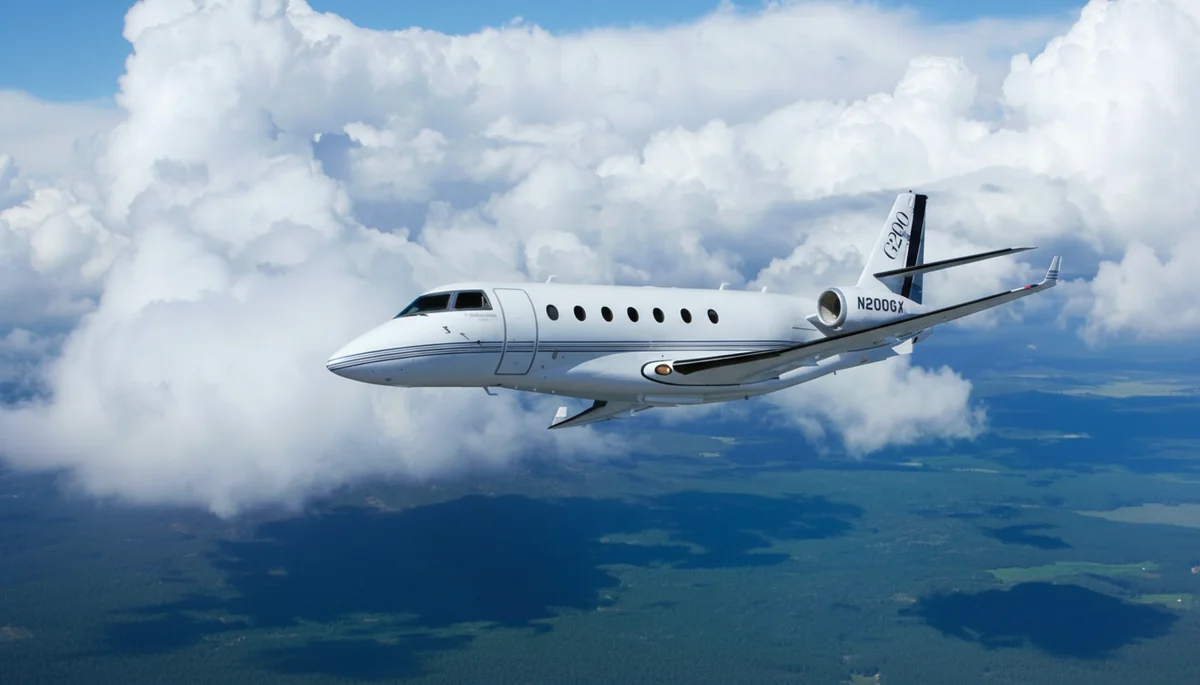
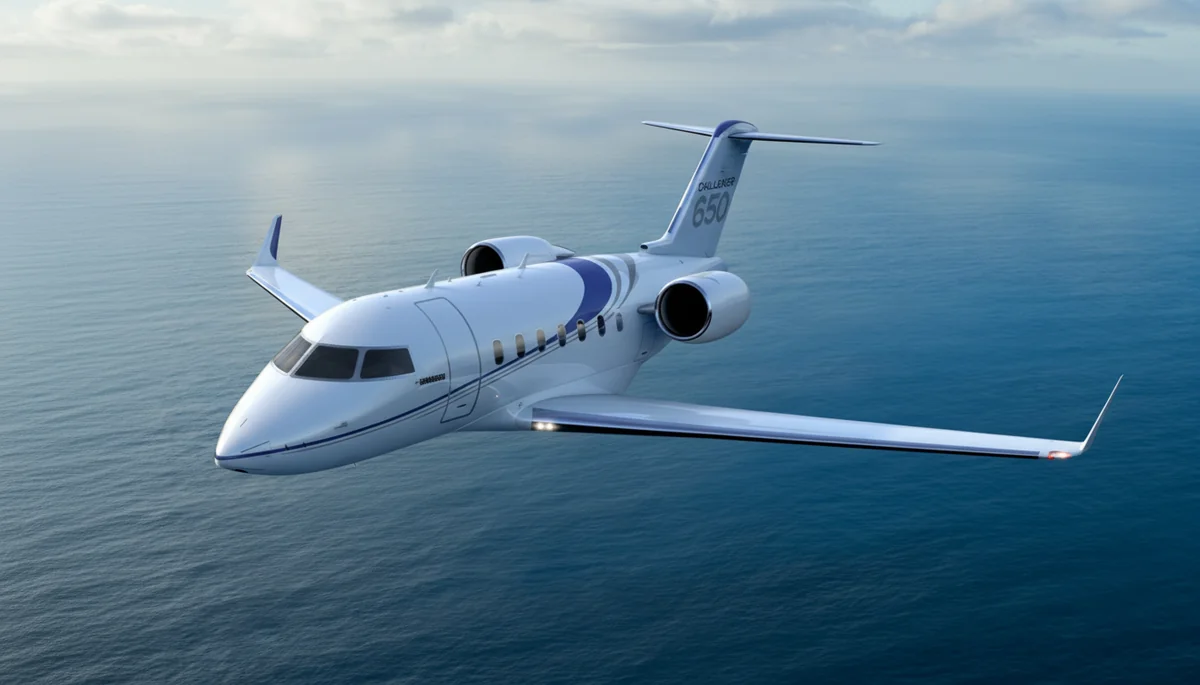
Super midsize jets bridge the gap between midsize and heavy jets, offering the best of both worlds. They provide the range and speed of a larger aircraft with the operating efficiency of a midsize jet. These aircraft typically feature stand-up cabins, seating for 8 to 10 passengers, and can easily handle non-stop transcontinental flights, like New York to Los Angeles. Models such as the Challenger 350 and Gulfstream G280 are known for their luxurious interiors and superior performance. If you need to travel across the country without stopping and want a truly comfortable cabin, this is the category for you.

Heavy Jets ($6,000-$10,000/hour)

For international travel and larger groups, heavy jets deliver an exceptional experience. These aircraft are designed for long-haul flights and feature spacious, stand-up cabins that can be configured with separate areas for working, dining, and relaxing. They typically seat 10 to 16 passengers and almost always include a flight attendant to cater to your needs. With amenities like full galleys, entertainment systems, and lie-flat beds, heavy jets such as the Gulfstream G450 and Falcon 900 turn long flights into a luxurious and productive experience. They are the standard for intercontinental business and leisure travel.

Ultra Long Range Jets ($8,000-$15,000/hour)

Sitting at the top of private aviation, ultra long range jets represent the ultimate in luxury, comfort, and capability. These aircraft can connect virtually any two cities in the world non-stop, flying farther and faster than any other category. With expansive cabins that can accommodate 12 to 19 passengers, they often feature multiple living spaces, private staterooms, and even showers. Aircraft like the Gulfstream G650 and Bombardier Global 7500 are essentially flying apartments, designed for maximum comfort on journeys of 12 hours or more. For the discerning traveler who demands the best, these jets offer an unparalleled private flight experience. For more details on private jet rental costs, you can find a comprehensive overview on our pricing page.

What Other Costs Should You Plan For?

When you receive a quote for a private jet charter, the hourly rate is the main component, but it’s not the whole story. To give you a clear and complete picture of your investment, it’s helpful to understand the other standard fees that make up your final price. These aren’t hidden charges; they’re essential operational costs that ensure your flight is safe, seamless, and tailored to your needs. From airport fees to crew accommodations, let’s walk through the additional costs you should plan for so you can fully understand your private jet rental costs. This transparency ensures there are no surprises, allowing you to budget accurately for the exceptional experience you expect.

Fuel Surcharges

Think of a fuel surcharge as a variable component of your flight cost that reflects the real-time price of jet fuel. Because fuel prices can fluctuate based on global market conditions, this charge is calculated separately from the base hourly rate. The total surcharge depends on the length of your trip, the type of aircraft you’ve chosen, and the current cost of fuel. While it’s a necessary part of the pricing, a transparent quote will always break this down for you, so you know exactly what you’re paying for. It’s a standard industry practice to ensure fair pricing that adapts to market changes.

Landing and Handling Fees

Every time an aircraft lands at an airport, it incurs fees for using the runway, parking, and utilizing the services of the Fixed-Base Operator (FBO), which is the private terminal. These are known as landing and handling fees. The cost can vary quite a bit depending on the airport—landing at a major international hub like JFK will be more expensive than a smaller, regional airport. The size and weight of your aircraft also play a role. These fees are non-negotiable charges from the airport authority, and your charter provider will pass them directly on to you in your final quote.

Overnight Crew Costs

For any trip that requires your flight crew to stay overnight, you’ll see overnight crew costs on your invoice. This covers the pilots’ and flight attendants’ hotel accommodations, meals, and a daily stipend. These expenses are not just a courtesy; they are critical for safety and are often mandated by aviation regulations to ensure your crew is well-rested and ready to fly. This is especially relevant for multi-day trips or complex itineraries where the crew remains with you. Planning for these costs ensures your team is taken care of, which in turn ensures your safety and comfort throughout your journey.

Repositioning Fees

Sometimes, the perfect jet for your trip isn’t based at your departure airport. When an aircraft has to fly empty to pick you up, or fly back to its home base after dropping you off, this is called a repositioning flight. The cost associated with this empty flight is a repositioning fee. For example, if you need a flight from Denver but your chosen jet is currently in Las Vegas, the cost of flying it to Denver will be included in your quote. A great way to potentially avoid these fees is to look for empty leg flights, which are repositioning flights you can book at a significant discount.

Custom Catering and In-Flight Services

Your private flight experience should be exactly as you envision it. While most charters include a selection of complimentary snacks and beverages, any special requests will come at an additional cost. This is where you can truly customize your journey. Whether you’d like a multi-course meal from your favorite five-star restaurant, a specific bottle of vintage wine, or premium Wi-Fi for a business meeting in the sky, we can arrange it. These personalized touches are quoted separately, allowing you to design an in-flight experience that perfectly suits your tastes and needs. Simply let your charter specialist know what you have in mind when you request a quote.

Ground Transportation

The luxury and convenience of private travel shouldn’t end when you step off the jet. We can arrange for seamless ground transportation to be waiting for you upon arrival, taking you directly to your final destination. Whether you need a luxury sedan, an SUV, or a limousine, this service ensures your journey is smooth from start to finish. While the cost of ground transportation is billed separately from the flight itself, coordinating it through your charter provider simplifies your travel logistics. It’s one less thing for you to worry about, allowing you to focus on your business or enjoy the beginning of your vacation.

How Do Charter Companies Calculate Your Final Quote?

When you receive a private jet charter quote, it’s more than just a single number. It’s a detailed breakdown of several key components that come together to create your final price. Understanding these elements helps you see exactly what you’re paying for and appreciate the value behind your bespoke travel experience. Think of it as looking under the hood—it demystifies the process and ensures there are no surprises. Here’s a look at how we calculate your final quote.

The Base Hourly Rate

The foundation of any charter quote is the base hourly rate. This figure typically covers the core operational costs: the aircraft itself, the professional flight crew, and standard fuel consumption. It’s the primary expense tied directly to your time in the air. This rate varies widely depending on the private jet you choose. For instance, a nimble light jet designed for shorter trips will have a lower hourly rate than a spacious, ultra-long-range jet built for international travel. This rate is your starting point, with other factors layered on top to build your complete, all-inclusive price.

Minimum Flight Time

Even if your flight is a quick 30-minute hop, your quote will likely reflect a minimum flight time, usually one to two hours. Why? Because preparing a private jet for departure involves significant operational processes, regardless of how long you’ll be in the air. This includes pre-flight checks, crew preparation, and flight planning. The minimum flight time ensures these fixed costs are covered, allowing the charter operator to maintain the highest standards of safety and service for every single trip. It’s a standard practice in the industry that guarantees the aircraft is always ready for a flawless departure.

Federal Excise Tax and International Permits

Taxes and fees are an unavoidable part of air travel, and private charters are no exception. For domestic flights within the United States, a Federal Excise Tax (FET) of 7.5% is applied to your total charter cost. This is a standard government-mandated tax. If your itinerary takes you across international borders, your quote will also include fees for customs, immigration, and any necessary landing permits for foreign countries. Our team handles all this complex paperwork for you, ensuring your journey is seamless from start to finish when you request a quote for your next global adventure.

Daily Minimums for Multi-Day Trips

If you’re planning a trip that spans several days where the aircraft will wait for you, your quote will likely include a daily minimum flight time. Most charter aircraft have a required minimum of about two flight hours per day. So, if you fly one hour to your destination and stay for three days before flying back, you’ll be billed for the daily minimum on the days the jet is on standby. This practice covers the cost of having a dedicated aircraft and crew exclusively available to you, ensuring they are ready to depart on your schedule. It’s what makes on-demand travel truly possible.

Common Misconceptions About Charter Pricing

When you first look into private jet charters, the pricing can seem complex. It’s not as simple as buying a commercial ticket, and a few common assumptions can lead to confusion. Understanding what goes into a charter quote helps you see the full picture and appreciate the value behind the numbers. The goal is transparency, so you know exactly what you’re paying for—a seamless, personalized travel experience from start to finish.

Let’s clear up some of the most frequent misunderstandings about charter pricing. Knowing the truth behind these myths will help you plan your travel with confidence and avoid any surprises. From the base hourly rate to the cost of short trips, we’ll break down the details so you can make the most informed decisions for your journey.

Myth: The Base Price is the Total Cost

It’s easy to see an hourly rate and assume that’s what you’ll pay, but it’s really just the starting point. The base hourly rate typically covers the aircraft itself, the crew’s time, and standard fuel costs. However, your final quote will include other necessary expenses. Think of it like booking a luxury hotel—the room rate is the base, but you’ll also have taxes and fees. For private charters, this means adding costs for landing fees, ramp and handling fees at the airport, federal excise taxes, and any special requests like custom catering or ground transportation. Understanding the full scope of private jet rental costs ensures your budget is accurate from the get-go.

Myth: Hourly Rates Are Fixed

Private jet hourly rates are anything but one-size-fits-all. The cost can range from a few thousand dollars to over $15,000 per hour, and the primary driver of this variation is the aircraft itself. A light jet designed for short regional trips will naturally have a lower hourly rate than an ultra-long-range jet capable of flying across continents. The specific fleet you choose determines your base cost. Additionally, factors like repositioning—where the aircraft has to fly to your departure airport—can add flight time to your bill. This is why a custom quote is always necessary to get a precise figure for your specific trip.

Myth: One-Way Flights Are Always Cheaper

In the world of commercial airlines, a one-way ticket is usually about half the price of a round trip. With private charters, that’s not always the case. If you book a one-way flight, the aircraft still has to return to its home base. This return trip, flown without passengers, is often factored into your one-way price, which can make it nearly as expensive as a round trip. However, this creates an opportunity for savvy travelers. These return flights are known as empty leg flights and are often available at a significant discount if your travel plans are flexible enough to match the jet’s predetermined route and schedule.

Myth: Short Flights Cost Less

Logically, a one-hour flight should cost less than a three-hour flight. While this is generally true, short hops can sometimes be more expensive on a per-hour basis than you might expect. This is because many charter operators have a “daily minimum” flight time, which is often two hours. If your flight is only 45 minutes, you may still be billed for the two-hour minimum. This policy ensures that the operational costs of preparing the aircraft and crew for a flight are covered, regardless of the trip’s duration. When planning a short trip, it’s always best to request a quote to see how daily minimums might apply.

What Are the Different Charter Pricing Models?

When you book a private jet, you’re not just buying a ticket; you’re choosing an experience. The pricing model you select plays a big role, affecting everything from cost to flexibility. Understanding the main ways to charter a jet helps you find the perfect fit for your travel style and budget. Let’s look at the most common options so you can make a confident choice.

On-Demand Charters

Think of on-demand charters as the à la carte option of private aviation. You book a specific jet for a specific trip, with no upfront investment or long-term commitment. This model gives you complete freedom to choose the ideal aircraft from a global fleet for each journey. It’s a straightforward, pay-as-you-go approach. Many people assume private travel is out of reach, but on-demand charters can be surprisingly affordable, especially when you travel with a group. This model is perfect for those who value flexibility and want to get a quote based on their exact needs.

Empty Leg Flights

If you have a flexible schedule, empty leg flights are an incredible opportunity. An empty leg is a one-way flight a private jet makes without passengers, either to return to its home base or to reposition for its next charter. Since the aircraft has to make the trip anyway, operators offer these flights at a significant discount—sometimes up to 75% off the standard price. The catch is that the destination, departure time, and aircraft are all predetermined. If your travel plans align with an available empty leg flight, you can enjoy the full private jet experience for a fraction of the cost.

Jet Cards vs. Direct Charters

Jet cards are prepaid programs where you purchase a block of flight hours. While they promise fixed rates, they often come with a hefty upfront cost, membership fees, and restrictions that can make them more expensive in the long run. Direct, on-demand charters offer a more transparent alternative. With a direct charter, there are no exclusive clubs to join or large sums to pay in advance; anyone can book a flight. This approach gives you access to the entire market of available aircraft, ensuring you get the best plane at the best price for every trip and a clearer picture of your private jet rental costs.

What Are Typical Price Ranges for Popular Routes?

Now that you understand the factors that go into a charter quote, let’s talk numbers. While every trip is unique, looking at typical price ranges for popular routes can give you a clearer picture of what to expect. The final private jet rental costs will always depend on your specific aircraft choice, itinerary, and any extra services you request. Think of these figures as a helpful starting point for planning your next journey. The price of a private jet flight changes based on how far you are flying and where you are going, so these estimates cover some of the most common trip types. From quick regional hops to transatlantic adventures, here’s a breakdown of what you might budget for your flight.

Short-Haul Domestic Flights ($15,000-$25,000)

For shorter trips, like a weekend getaway from New York to Nantucket or a business meeting in Los Angeles from San Francisco, you’ll typically be flying on a light or midsize jet. These flights usually last between one and three hours. Private jet charters for these routes can be surprisingly affordable, especially if you fill every seat and split the cost with friends, family, or colleagues. This price range covers the aircraft, crew, and standard fees for a seamless, comfortable trip, getting you to your destination quickly and without the hassle of commercial airports.

Cross-Country Routes ($25,000-$45,000)

Planning a coast-to-coast trip, such as flying from Miami to Las Vegas or New York to Los Angeles? These longer domestic flights require an aircraft with more range and cabin space, like a super midsize or heavy jet from our global fleet. The higher price reflects the longer flight duration, increased fuel consumption, and the use of a more capable aircraft designed for comfort on journeys of five to seven hours. This is where you can truly appreciate the amenities of private travel, with plenty of room to work, relax, or entertain guests while you cross the country.

International Destinations ($50,000-$150,000+)

When your travels take you across borders, such as from the United States to the Caribbean, Europe, or South America, you’ll need an ultra-long-range jet. These aircraft are built for international travel, offering non-stop capabilities and premium amenities like sleeping quarters and full galleys. The price range for international flights is broad because it covers everything from a trip to the Bahamas to a transatlantic flight to Paris. Costs can sometimes exceed this range for very long-haul flights, but for many popular international destinations, this is a solid estimate. When you’re ready for a precise figure, it’s best to request a quote tailored to your exact itinerary.

How to Get an Accurate Charter Quote

Getting a clear and accurate price for your private flight shouldn’t feel like a mystery. The key is knowing what information to provide and understanding how charter companies build their quotes. A reputable provider will be transparent about every line item, ensuring there are no surprises. The final price is a combination of the aircraft’s hourly rate, flight duration, airport fees, and any personalized services you request. It also includes factors you might not immediately think of, like crew fees, potential fuel surcharges, and taxes. By preparing a few key details about your trip, you can get a precise, all-inclusive quote that reflects your exact travel needs. This process ensures you can book with confidence, knowing the full scope of your investment from the start. It’s less about finding a hidden deal and more about achieving clarity so you can make an informed decision that aligns perfectly with your expectations for a seamless travel experience. The goal is to move from a general estimate to a firm, actionable number you can count on. Let’s walk through the simple steps to secure a guaranteed price for your next journey.

Use Online Estimation Tools

Starting your research with an online cost estimator is a great way to get a general idea of your trip’s budget. These tools are designed to give you a quick, ballpark figure based on your route and preferred aircraft size. You can get an instant estimate to help with initial planning and compare different scenarios without having to make a call. Just remember that this number is an estimate. It’s a fantastic starting point, but it doesn’t account for real-time variables like aircraft availability, specific airport fees, or crew positioning. Think of it as the first step in shaping your travel plans.

Work with a Charter Specialist

For a final, guaranteed price, you’ll want to connect with a charter specialist. This is where the personalized service of private aviation truly shines. An expert can take your trip details and provide a firm quote that covers every cost, from fuel surcharges to landing fees. They have access to real-time fleet availability and can advise you on the most efficient aircraft and routing for your specific mission. A specialist can also present alternative options you may not have considered, ensuring your trip is perfectly optimized for both comfort and value. This direct conversation is the only way to lock in a precise price for your flight.

What to Provide for a Precise Quote

To help your charter specialist build the most accurate quote quickly, it’s helpful to have a few key details ready. The more specific you can be, the more precise your initial quote will be.

Be prepared to share:

  • Your departure and arrival cities or airports
  • Your desired travel dates and times
  • The total number of passengers
  • Any preferences for a specific type of aircraft
  • Information about luggage, especially oversized items like skis or golf clubs
  • Any special requests, such as custom catering or ground transportation arrangements

Providing this information upfront allows your specialist to account for all variables and deliver a comprehensive quote without any hidden fees.

How Does Charter Pricing Compare to Commercial First Class?

When you first look at the numbers, comparing a private charter to a first-class ticket can feel like comparing apples and oranges. A commercial airline sells you a seat, while a charter provides an entire aircraft. But when you shift your perspective from the total price to the overall value, the comparison becomes much more interesting. It’s not just about getting from point A to point B; it’s about how you get there, who you’re with, and how much time you save along the way.

A Look at the Cost Per Passenger

Let’s be direct: the upfront cost of chartering a jet is higher than a single first-class ticket. But that’s rarely the full story. The price you see is for the entire aircraft, not per person. When you travel with a group of colleagues, family, or friends, the per-passenger cost can become surprisingly competitive with commercial first-class fares. A charter flight can be quite affordable, especially if you fill most of the seats on the plane. Think of it this way: you’re not just buying a ticket; you’re investing in a private, efficient, and completely personalized travel experience. For a clearer picture of how these costs break down, you can explore typical private jet rental costs to see what fits your needs.

The Value of Time and Convenience

Time is a resource you can’t get back, and this is where private charters truly outshine commercial travel. Imagine skipping the long security lines, avoiding crowded terminals, and arriving at the airport just 15 minutes before your flight. Private charters operate on your schedule, allowing you to fly directly to your destination without the hassle of layovers. This often means using smaller, more convenient airports that are closer to your final stop. The ability to create your own itinerary is a core part of the experience when you request a charter flight. This level of convenience, privacy, and efficiency is something first class simply can’t offer.

The Benefits of Group Travel

Traveling with a group is exponentially simpler and more enjoyable on a private charter. Instead of coordinating multiple first-class bookings and hoping to sit together, your entire party travels in a single, private space. This makes the journey itself a memorable part of your trip, whether it’s a family vacation or a corporate retreat. You have the freedom to choose an aircraft from a diverse fleet that perfectly matches your group’s size and preferences, ensuring everyone has ample space and comfort. The entire process, from booking to landing, is streamlined for your group, creating a seamless and cohesive travel experience that a commercial airline can’t replicate.

Related Articles

Frequently Asked Questions

Why can’t I get a single, fixed price online? Unlike booking a commercial flight, chartering a private jet is a completely customized service. The final price depends on a combination of real-time factors, including the specific aircraft’s availability, current fuel costs, and your chosen airports’ fees. An online estimator provides a great starting point, but a formal quote from a specialist ensures every detail of your unique trip is accounted for, giving you a precise and guaranteed price.

Is booking a round trip always cheaper than a one-way flight? Not necessarily. A common misconception is that a one-way charter will cost half as much as a round trip, but that’s rarely the case. If you book a one-way flight, the cost to return the aircraft to its home base is often included in your price. This is why a one-way trip can sometimes cost nearly as much as a round trip where the jet stays with you.

What’s the most cost-effective way to fly privately? The best way to manage your budget is to ensure the aircraft you choose is the right size for your group and trip distance. Traveling with more passengers to split the cost also makes a significant difference. If your schedule is flexible, booking an empty leg flight is another fantastic way to experience private travel for a fraction of the standard price, as you are purchasing a flight the jet already needs to make.

Are there any hidden fees I should be aware of? There should never be any hidden fees with a reputable charter company. A transparent quote will itemize every cost, including the base hourly rate, taxes, landing and handling fees, and any additional services you’ve requested. The goal is to provide you with a clear, all-inclusive price so you know exactly what you are paying for before you book.

How much notice do I need to give to book a flight? One of the greatest advantages of on-demand charter is its flexibility. While booking further in advance can give you a wider selection of aircraft, flights can often be arranged with just a few hours’ notice. The ability to book on a tight schedule is a core benefit of private aviation, ensuring you can get where you need to be, right when you need to be there.

Other Stories