There’s a common belief that flying private means you have to own the plane, but that’s only one piece of the puzzle. The world of private aviation offers a range of options, each with a different price point and level of commitment. From on-demand charters and jet cards to fractional ownership, there are smarter ways to fly that don’t require the massive capital of full ownership. To find the best fit, you first have to understand the baseline: the complete cost of a private jet. Once you see the full financial responsibilities of owning, the value of more flexible options becomes crystal clear.
Key Takeaways
- Ownership Costs Go Far Beyond the Purchase Price: The initial investment is only the beginning; the true financial commitment of owning a jet lies in the substantial annual operating expenses for crew, maintenance, insurance, and storage.
- You Don’t Have to Own to Fly Private: On-demand charters, fractional ownership, and jet cards offer the luxury and efficiency of private aviation, allowing you to pay for access and convenience without the risks and responsibilities of full ownership.
- Your Travel Habits Should Guide Your Decision: The right choice comes down to your specific needs. Analyze your annual flight hours and travel patterns to determine if the commitment of ownership or the pay-as-you-fly flexibility of chartering is the most logical fit.
What Does a Private Jet Really Cost?
Thinking about private jet travel often brings images of glamour and convenience to mind, but the practical question is always about the price tag. The truth is, the cost isn’t a single number—it’s a spectrum of expenses that includes the initial purchase, day-to-day operations, and a few costs you might not expect. Whether you’re considering buying or chartering, understanding the full financial picture is the first step. Let’s break down what it really takes to fly private.
The Upfront Purchase Price
The initial investment to buy a private jet varies dramatically. A brand-new aircraft can range from about $2 million for a light jet to over $110 million for a large, long-range executive plane. If you’re open to a pre-owned aircraft, the entry point is much lower, with prices starting around $250,000 and going up to $17 million or more depending on the jet’s age, size, and condition. This sticker price is just the beginning, but for those ready to take the leap, exploring options to buy a jet is the first move toward ownership.
Ongoing Operating Costs
Once you own the jet, the spending continues. Annual operating costs are a significant financial commitment, typically running between $500,000 and $1 million, and sometimes much more for larger aircraft. These expenses cover everything needed to keep your jet airworthy and ready to fly. You’ll budget for routine maintenance, hangar rental to protect your investment, crew salaries, and comprehensive aircraft insurance. For example, keeping a popular midsize jet like a Cessna Citation X in the air can cost between $1 million and $2 million per year. These recurring costs are a major reason why many prefer the simplicity of chartering.
Don’t Forget These Hidden Costs
Beyond the purchase price and standard operating budget, there are other variable costs to consider. These often surprise first-time owners and can even apply to charter flights. Think about aircraft positioning fees to get the plane to your departure airport, overnight expenses for the crew on multi-day trips, and special international fees. Even things like premium catering can add up. When you charter a flight, costs like fuel surcharges, landing fees, and the 7.5% Federal Excise Tax are typically factored into your quote, giving you a clearer picture of the total price without the long-term financial responsibilities of ownership.
Key Factors That Drive the Price
When you start looking at private jets, you’ll quickly see that the price tags can vary dramatically. It’s not just one number; it’s a range influenced by a handful of key factors. Think of it like buying a high-end home or a luxury car—the final cost depends on everything from the size and model to the custom finishes you choose. Understanding these variables is the first step to figuring out what kind of aircraft fits your travel needs and your budget. Let’s break down the main elements that determine the purchase price of a private jet.
Aircraft Size and Type
The size of the jet plays a huge role in its price. Aircraft are generally grouped into categories, and each step up in size comes with a significant price increase. Very Light Jets, perfect for short regional trips, can start around $2 million. As you move up to Light and Mid-Size Jets, which offer more range and cabin space, you’re looking at a price range of $9 million to $35 million. For those needing transcontinental or international capabilities, Large and Ultra-Long Range Jets can cost anywhere from $35 million to over $100 million for the latest models. You can explore our global fleet to see examples of aircraft in each of these classes.
Age and Condition
Just like with cars, a brand-new jet will cost significantly more than a pre-owned one. While opting for a used aircraft can seem like a great way to save money upfront, it’s crucial to look at its condition. A less expensive jet might be what the industry calls “timed out,” meaning major components like the engines are near the end of their lifespan and will require costly overhauls. A thorough pre-buy inspection is essential to understand the true cost of a used jet, as immediate maintenance needs for new engines, paint, or interior refurbishment can quickly add up.
Flight Range and Speed
How far and how fast do you need to go? These two factors are directly tied to an aircraft’s price. Jets designed for longer distances require more powerful engines, larger fuel tanks, and more advanced engineering, all of which increase the cost. An ultra-long-range jet that can fly nonstop from New York to Dubai will naturally have a much higher price tag than a light jet designed for a quick flight from Los Angeles to Las Vegas. Higher cruising speeds also contribute to the cost, as they demand more powerful and technologically advanced engine systems.
Cabin Layout and Amenities
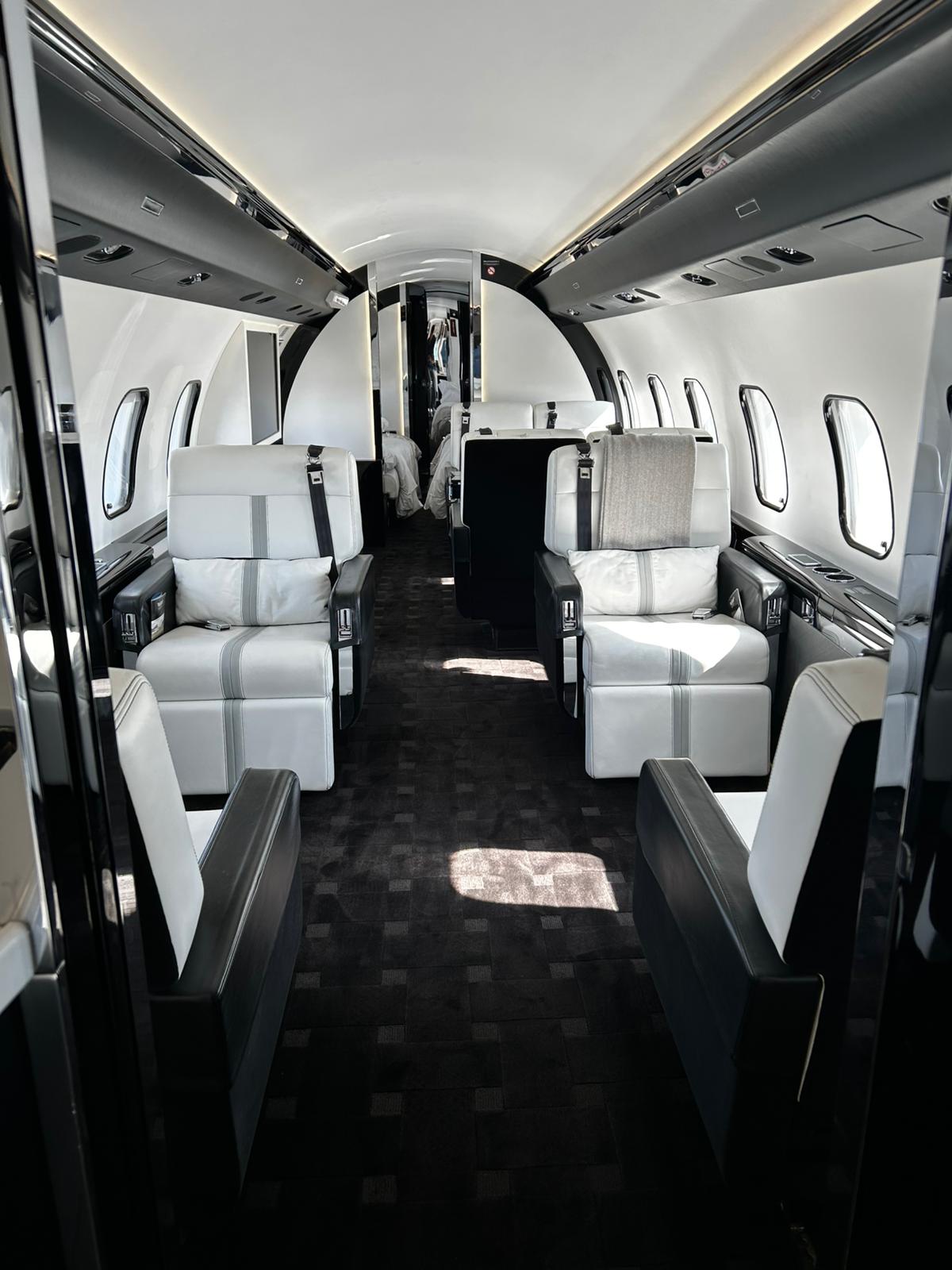
This is where personalization really comes into play. The interior of a private jet can be as unique as its owner. A standard factory layout is the baseline, but most buyers opt for customizations that can significantly drive up the price. Think bespoke leather seating, exotic wood veneers, state-of-the-art entertainment systems, high-speed Wi-Fi, and even private staterooms or showers on larger aircraft. These luxury amenities and advanced technologies transform the cabin into a personalized sanctuary in the sky, but they also add millions to the final purchase price.
Brand Reputation
In the world of private aviation, brand names matter. Manufacturers like Gulfstream, Bombardier, and Dassault have built reputations for performance, reliability, and unparalleled luxury, and their aircraft often command a premium. Just as you’d expect to pay more for a Rolls-Royce than for other luxury cars, certain jet models are simply more sought-after and hold their value better over time. When you decide to buy a jet, the manufacturer’s reputation is a key factor that influences both the initial investment and its long-term resale value.
What It Costs to Own a Private Jet
The allure of owning a private jet is undeniable—the freedom, the luxury, the ultimate convenience. But before you start picturing your name on the side of a Gulfstream, it’s important to understand the full financial picture. The sticker price is just the entry ticket; the true cost of ownership involves a complex web of ongoing expenses that can quickly add up. From hangar fees and crew salaries to maintenance and insurance, owning a jet is a significant commitment far beyond the initial purchase.
Understanding these figures is the first step in making an informed decision about whether ownership is the right path for you. We’ll break down the primary costs you can expect, giving you a clear and realistic view of what it takes to maintain a private aircraft. This isn’t meant to discourage the dream, but to equip you with the knowledge to pursue it wisely. Comparing these expenses to other private travel options, like the flexible private jet rental costs of on-demand charters, can help you determine the most sensible approach for your specific travel needs and financial strategy.
The Initial Investment
The first and most obvious expense is the purchase price of the aircraft itself. This figure can vary dramatically based on whether you’re buying new or pre-owned, as well as the jet’s size, range, and features. A brand-new private jet can range from $2 million for a light jet to over $110 million for a top-of-the-line, long-range model. If you opt for a pre-owned aircraft, the prices are more accessible, starting around $250,000 and going up to $17 million or more. While a lower upfront cost is appealing, it’s crucial to factor in the potential for higher maintenance needs on an older jet. If you’re ready to explore your options, our team can help you buy a jet that fits your mission profile.
Annual Operating Budget
Once you own the jet, the recurring costs begin. Your annual operating budget will cover everything needed to keep the aircraft flying safely and efficiently. As a general rule of thumb, you can expect to spend between $500,000 and $2 million per year. For example, operating a new light jet might land on the lower end of that spectrum, while running a popular midsize jet like a Cessna Citation X can cost between $1 million and $2 million annually. This budget includes variables like fuel, maintenance, and crew salaries, which fluctuate based on how often you fly and where you travel. Planning for these expenses is essential for a smooth ownership experience.
Crew and Staffing
Your private jet can’t fly itself. A professional and experienced crew is a non-negotiable expense. At a minimum, you will need two full-time pilots. Their compensation includes not just salaries but also benefits, insurance, and the cost of recurrent training to keep their skills sharp and certifications current. All in, you should budget around $500,000 per year just for your pilots. If you own a larger aircraft or fly frequently, you may also need to hire a flight attendant, adding another salary to your annual budget. This team is the heart of your flight operations, ensuring every trip is safe and seamless.
Maintenance and Repairs
Keeping an aircraft in pristine, airworthy condition is a top priority, and it comes with a significant price tag. You should plan for both scheduled and unscheduled maintenance. Regular, planned inspections and servicing can cost between $300,000 and $600,000 per year, depending on the aircraft’s age and size. Beyond that, it’s wise to set aside a contingency fund of around $300,000 for unexpected repairs. From a simple component replacement to a more complex engine issue, these costs can arise without warning, and having a dedicated budget for them is a critical part of responsible ownership.
Insurance and Hangar Fees
Two often-overlooked costs are insurance and storage. Insuring a multi-million dollar asset like a private jet is essential, with annual premiums starting at a minimum of $10,000 and increasing significantly based on the aircraft’s value and intended use. You also need a safe place to keep your jet. Renting hangar space at an airport protects your aircraft from the elements and provides security. In major cities, this can be a substantial expense, costing anywhere from $20,000 to $40,000 per month. These fixed costs are part of your budget whether you fly once a month or every day.
The Impact of Depreciation
Unlike real estate, a private jet is a depreciating asset. From the moment you take ownership, its value begins to decrease. Jets typically lose 5% to 15% of their value each year, especially in the first few years. For example, a new $20 million jet could be worth just $16 million after only two years of ownership. This loss in value is a major financial consideration, particularly if you plan to sell the aircraft in the future. Factoring in depreciation is key to understanding the total cost of ownership over the long term and its impact on your net worth.
Comparing Your Private Travel Options
Deciding how to fly private isn’t just about picking a destination; it’s about choosing a travel model that fits your lifestyle and financial plans. From owning the plane yourself to booking a last-minute flight, each option offers a different balance of convenience, cost, and commitment. Understanding these differences is the first step toward finding the perfect way for you to travel.
Full Ownership: Pros and Cons
Owning a private jet is the ultimate statement in travel freedom. The aircraft is yours, available whenever you need it, and customized to your exact preferences. However, that freedom comes at a significant price. The initial purchase is just the beginning; the real expense lies in the ongoing operational costs. Keeping a jet airworthy involves constant maintenance, crew salaries, insurance, and hangar fees, which can be far more demanding than the purchase itself. For those who are ready for this level of investment, you can buy a jet and have an asset that is truly your own. For many others, the financial and logistical commitment leads them to explore more flexible alternatives.
Fractional Ownership: Sharing the Costs
Fractional ownership is a practical middle ground for those who fly often but don’t need a whole aircraft to themselves. With this model, you purchase a share of a specific jet, which entitles you to a set number of flight hours per year. You share the purchase price and the annual operating costs with the other owners, making it a more economical approach than full ownership. This option gives you many of the perks of ownership, like consistent access to a high-quality aircraft, without shouldering the entire financial burden alone. It’s an excellent solution for individuals and businesses that require regular, predictable private travel.
On-Demand Charters: Pay As You Fly
If you value flexibility and want to avoid long-term commitments, on-demand charters are the perfect fit. This model allows you to book a private jet for a specific trip, paying only for the time you use. There are no upfront acquisition costs, membership fees, or ongoing management responsibilities. You simply choose your aircraft and itinerary, and you’re on your way. The cost of charter flights varies based on the jet size, distance, and duration, but it provides direct access to the world of private aviation on your own terms. It’s the ideal choice for those who fly privately less frequently or whose travel needs change from trip to trip.
Jet Cards: Pre-Paid Private Flights
Jet cards offer a blend of convenience and predictability. Think of it as a debit card for private flights. You pre-purchase a block of flight hours—typically in 25-hour increments—on a specific category of aircraft. This model often comes with fixed hourly rates and guaranteed availability, which simplifies budgeting and planning. Jet cards are best suited for those who fly between 50 and 150 hours a year and want the ease of on-demand travel without negotiating the price for each trip. It’s a step up from single-trip charters, offering a more streamlined experience for regular travelers.
Memberships: An Exclusive Club
Private jet memberships operate like an exclusive club. Members typically pay an initial fee and an annual renewal fee to gain access to a fleet of aircraft at fixed, preferential hourly rates. This model is designed for frequent flyers who appreciate consistent pricing and the ability to book flights with short notice. While you don’t own a piece of any aircraft, you get the benefit of flying on a well-maintained fleet without the complexities of ownership. A membership provides a reliable and high-quality travel solution for those whose schedules demand frequent and sometimes spontaneous trips.
Empty Leg Flights: The Savvy Choice
For travelers with flexible schedules, empty leg flights are an incredibly smart way to fly private at a fraction of the usual cost. An empty leg is a one-way trip that a jet must make to reposition for its next booked flight. Since the jet would be flying empty anyway, these seats are offered at a significant discount. The key is that you have to fit your plans to the jet’s predetermined route and schedule. If your travel dates are open and your destination matches an available route, you can experience the full luxury of private flight for much less. Checking for empty leg availability is a great habit for any spontaneous traveler.
A Closer Look at Operating Costs
The initial purchase price of a private jet is just the ticket to entry. The real, ongoing story of your investment is told through its operating costs. These are the day-to-day and year-to-year expenses that keep your aircraft safe, compliant, and ready to fly. From fuel and maintenance to crew salaries and hangar fees, these costs can quickly add up, often reaching millions of dollars annually. Understanding these variables is crucial for any prospective owner, as they paint a much clearer picture of the total financial commitment.
This is also why many savvy travelers prefer the simplicity of on-demand charters. When you charter a flight, these complex operating costs are bundled into a single, transparent price. You get all the benefits of private travel without the unpredictable expenses and logistical headaches of ownership. Let’s break down the major operating costs you can expect if you decide to buy.
Fuel
Fuel is one of the most significant and variable operating expenses. A mid-size jet can burn through 200 to 300 gallons of fuel per hour. With fuel prices often hovering around $6 per gallon, you’re looking at an hourly fuel cost of $1,200 to $1,800. If you fly a fairly standard 200 hours per year, that single line item can easily climb to over $360,000. This cost fluctuates with global markets, making it a difficult expense to predict and budget for with perfect accuracy.
Maintenance
Keeping an aircraft in pristine, airworthy condition is non-negotiable, and it comes with a hefty price tag. Routine maintenance can cost anywhere from $300,000 to $600,000 annually. However, unexpected repairs can tack on another $300,000 or more. The biggest maintenance expenses are major engine overhauls, which are required every few thousand flight hours. These can cost between $1 million and $2 million per engine, making them a massive capital expense that owners must plan for years in advance.
Landing and Handling Fees
Every time your jet touches down, you’ll incur fees. Airport landing fees can range from a modest $100 to over $1,500 per flight, with major international hubs charging a premium. On top of that, you’ll pay ramp and handling fees for services like parking, baggage handling, and passenger transport to the terminal. These typically add another $100 to $500 per flight. While small compared to fuel or maintenance, these per-trip costs add up quickly over a year of frequent travel.
Hangar and Storage
Your jet needs a home when it’s not in the air, and that means renting hangar space. This cost is highly dependent on your location. In a major city, you can expect to pay between $20,000 and $40,000 per month to keep your aircraft sheltered from the elements. In smaller, more remote areas, the cost might be lower, ranging from $8,000 to $15,000 per month. This expense ensures your multi-million dollar asset is protected, but it represents a significant fixed cost regardless of how often you fly.
Crew Salaries
A private jet requires a professional crew, and their expertise is a critical investment in your safety and comfort. At a minimum, you’ll need two full-time pilots. Factoring in salaries, benefits, and ongoing training, a two-person flight crew can cost around $500,000 per year. A captain’s salary typically falls between $150,000 and $220,000, while a first officer earns between $90,000 and $140,000 annually. For larger jets, you may also need a flight attendant, which adds another salary to your budget.
Insurance
Finally, insuring your aircraft is a substantial and mandatory expense. Comprehensive insurance coverage is essential to protect your asset and cover liability in the event of an incident. For most private jet owners, this means an annual premium of between $200,000 and $400,000. The exact cost will depend on the type of aircraft, its value, how it’s used, and the experience of your pilots. It’s a fixed cost that provides peace of mind but adds significantly to your yearly operating budget.
Who Are the Key Players in Private Aviation?
When you start exploring private air travel, you’ll quickly notice a few key names. The private aviation industry is home to several major players, each offering a slightly different approach to flying. Understanding their business models is the first step in figuring out which service aligns with your travel needs and financial preferences. Some companies focus on full or fractional ownership, where you buy a share of an aircraft. Others operate on a membership or jet card model, where you pre-pay for a certain number of flight hours. Then there are on-demand charter services, which offer the ultimate flexibility to book flights as you need them, without long-term commitments.
Each model has its own cost structure and benefits. Ownership provides unparalleled access but comes with the highest upfront and ongoing costs. Memberships and jet cards offer more predictability in pricing but can lack the flexibility of on-demand charters. As you compare your options, think about how often you fly, the number of passengers you typically travel with, and how much control you want over your schedule and aircraft choice. Getting familiar with the leading companies and what makes them unique will help you make a more informed decision for your business or personal travel.
Haute Jets
Haute Jets stands out by offering a pure on-demand charter experience focused on luxury and personalization. Instead of requiring hefty upfront investments in memberships or fractional ownership, you simply request a quote for the specific trip you need. This model provides incredible flexibility, allowing you to choose the perfect aircraft from a vast global fleet for each journey. Haute Jets focuses on creating a seamless, high-end travel experience tailored to your exact preferences, from the in-flight catering to the ground transportation. It’s an ideal choice for those who value freedom and want to pay as they fly without any long-term financial commitments.
NetJets
As a pioneer in the industry, NetJets is the go-to name for fractional ownership. This model is like a timeshare for a private jet; you purchase a share of a specific aircraft, which guarantees you a certain number of flight hours per year. NetJets manages the entire fleet, handling everything from maintenance and staffing to flight operations. They also offer leasing and jet card programs, providing a few different entry points into their service. This option is best suited for individuals and businesses that fly frequently and want the consistency and benefits of ownership without the full responsibility of managing an aircraft.
Flexjet
Similar to NetJets, Flexjet specializes in fractional ownership and leasing programs. They pride themselves on offering a highly personalized service and a modern fleet, with dedicated crews assigned to specific aircraft to ensure a consistent and familiar experience for owners. Flexjet’s programs are designed for travelers who fly 50 or more hours per year and desire the perks of owning a jet. They offer a range of aircraft types and share sizes, allowing clients to find a solution that fits their typical travel patterns. Their emphasis on service and detail makes them a strong contender in the fractional market.
VistaJet
VistaJet offers a unique subscription-based model that provides access to its global fleet of distinctive silver and red jets. Instead of owning a share of a plane, clients purchase flight hours through their Program membership, which guarantees availability worldwide with as little as 24 hours’ notice. This approach gives you the benefits of a dedicated fleet without the asset risk associated with ownership. VistaJet also offers on-demand charters, making their services accessible to a broader audience. Their model is perfect for global travelers who need reliable, consistent service anywhere in the world.
Wheels Up
Wheels Up operates primarily on a membership model, offering different tiers that provide access to its diverse fleet. Members can book flights on-demand through a user-friendly app, often at fixed hourly rates, which simplifies budgeting for private travel. The company aims to build a community among its members, often hosting exclusive events and offering partner benefits. Wheels Up is a great fit for those who fly a moderate amount and appreciate the convenience of a tech-forward platform and the perks that come with being part of an exclusive club.
Air Partner
With decades of experience, Air Partner is a global leader in aircraft charter services. They function as a trusted broker, providing tailored solutions for everything from individual leisure trips to complex corporate travel and cargo transport. Their primary focus is on-demand charter, and they are renowned for their commitment to safety and exceptional customer service. Air Partner also offers a JetCard program, which allows clients to pre-purchase flight hours at fixed rates. Their extensive industry knowledge makes them a reliable choice for anyone needing expert guidance and a wide range of aircraft options.
XO
XO provides a modern, tech-centric approach to private aviation, blending on-demand charter services with membership options. Their mobile app allows users to instantly book private charters or purchase individual seats on shared flights, a feature that makes private travel more accessible. XO members receive preferential pricing and access to a dedicated aviation advisor. This hybrid model appeals to a new generation of private flyers who value efficiency, transparency, and the flexibility to choose between a private charter or a shared flight depending on their needs for a particular trip.
Plan Your Finances for Private Travel
Deciding how to approach private aviation is a major financial decision, whether you’re buying an aircraft or choosing a charter service. Thinking through the financial side of things will help you make a choice that aligns perfectly with your travel needs and long-term goals. Here’s a breakdown of the key financial elements to consider.
Exploring Financing Options
The price tag for a new private jet can range from around $5 million to well over $100 million, so it’s no surprise that few purchases are made with cash. Most buyers explore specialized financing options. Aviation lenders offer loan structures tailored to aircraft acquisition, considering factors like the jet’s age, model, and intended use. Leasing is another popular route, providing access to an aircraft without the large capital outlay of a purchase. Whichever path you consider, it’s essential to work with a financial advisor who understands the nuances of aviation assets to structure a plan that works for you.
Understanding Tax Implications
The financial picture of private aviation isn’t complete without considering taxes. If you choose to fly via charter, you’ll notice a 7.5% Federal Excise Tax (FET) on your flight costs. For owners, the tax landscape is more complex. There can be significant advantages, such as depreciation deductions, especially if the aircraft is used primarily for business. However, regulations around personal use, state sales tax, and property tax can vary widely. Consulting with a tax professional who specializes in aviation is the best way to understand your obligations and find any potential efficiencies.
Managing Financial Risk
Owning a private jet is a huge financial commitment that extends far beyond the initial purchase price. Market fluctuations can affect your aircraft’s value, and unexpected maintenance can lead to significant expenses. For many people, charter flights offer a way to enjoy the premium experience of private travel without the massive costs and risks of full ownership. By paying as you fly, you sidestep the long-term financial burdens of maintenance, crew, and insurance. This approach gives you flexibility and predictability, making it a financially sound choice for managing risk.
Optimizing Your Fleet
A common misconception is that you need to own a jet to fly privately. In reality, private jets are often used by businesses to save time, and for those who don’t travel constantly, it’s usually more economical to simply charter a jet when needed. One of the biggest advantages of chartering is access to an entire fleet of aircraft. You can choose a light jet for a quick regional meeting and a heavy jet for an international trip, ensuring you always have the right aircraft for the mission. This flexibility is something a single-aircraft owner simply doesn’t have.
Generating Revenue from Your Asset
If your travel patterns justify the investment, owning a jet can be the right move—especially if you fly more than 400 hours per year. For owners who fly less, one of the smartest financial strategies is to place the aircraft on a charter certificate. This allows you to generate revenue from your asset when you’re not using it, which can significantly offset annual operating costs. Partnering with a reputable charter management company ensures your jet is maintained to the highest standards while earning income, turning a major expense into a performing asset.
How to Choose What’s Right for You
Deciding between owning, chartering, or using another private travel model comes down to your personal and professional needs. There’s no single right answer, but there is a right answer for you. The key is to align your travel habits, financial strategy, and desired level of convenience with the best available option. Think of it less as a purchase and more as a strategic decision that should simplify your life and support your goals. By carefully considering a few key areas, you can find the perfect fit for your lifestyle.
Evaluate Your Travel Needs
Start by looking at your travel patterns. How many hours do you typically fly per year? Are your trips planned far in advance, or do they come up at the last minute? Charter users often choose private flights for the incredible convenience and ability to create a customized experience, with total flexibility in scheduling and destinations. Consider who you travel with—is it usually just you, your family, or a team of executives? The size of your party and the purpose of your travel will influence which aircraft in a global fleet is most suitable, from a light jet for quick regional trips to a heavy jet for international flights.
Compare Service Providers
Once you have a clear picture of your needs, you can start comparing how different services meet them. With full ownership, you have ultimate control, but it comes with the responsibilities of management. On the other hand, when you book on-demand charter flights, the long check-in times of commercial travel disappear. You can specify your preferred departure and arrival airports—even smaller ones closer to your final destination—and choose from a wide range of jets for each trip. This model offers the luxury and efficiency of private travel without the long-term financial and logistical burdens of owning an aircraft.
Understand the Commitment
Each private aviation option requires a different level of commitment. Ownership is like running a business; it involves managing crew, maintenance, and compliance. Fractional ownership and jet cards reduce this burden but often require significant upfront investment and long-term contracts. Private aviation services cater to a select group, from corporate executives to affluent leisure travelers, all with unique expectations. If you value flexibility and want to avoid being locked into a single aircraft or provider, an on-demand charter service like Haute Jets offers a straightforward, commitment-free approach to luxury travel.
Analyze the Costs and Benefits
Finally, weigh the financial implications. Owning a private jet is a major investment, and the purchase price is just the start. Ongoing expenses for maintenance, fuel, crew, and storage can be substantial, making it crucial to consider the total cost of ownership. For many, the pay-as-you-fly model of chartering is a more practical and financially sound choice. It gives you access to the benefits of private flight without the capital outlay and unpredictable operating costs. Exploring private jet rental costs can give you a clear idea of the per-trip expense, and options like empty leg flights can provide even greater value.
Related Articles
- Costs of Owning vs. Chartering Private Jets: Cost Comparison | Haute Jets
- How Much Does a Private Jet Cost? A Breakdown of Expenses – Haute Jets
- Cost of a Personal Jet: Factors, Options & Value – Haute Jets
- Why You Should Charter a Private Jet vs Ownership – Haute Jets
Frequently Asked Questions
Is it always more expensive to own a jet than to charter one? While the upfront cost of chartering is much lower, the long-term financial picture depends entirely on how much you fly. For those who fly less than 400 hours a year, chartering is almost always the more economical choice. It allows you to enjoy all the benefits of private travel without the massive capital investment, unpredictable maintenance bills, crew salaries, and the significant financial hit of depreciation that comes with ownership.
What’s the single biggest ongoing expense I should be aware of with jet ownership? Beyond the more predictable costs like fuel and crew salaries, the most significant expense is heavy maintenance, particularly engine overhauls. These are required after a certain number of flight hours and can cost millions of dollars per engine. It’s a massive capital expense that owners must plan for years in advance and can come as a surprise to those new to ownership. This is a financial responsibility you completely avoid when you charter.
How many hours do I need to fly per year for ownership to make financial sense? The general industry guideline is that ownership might start to become a practical option if you fly more than 400 hours annually. However, it’s not just a numbers game. You also have to be prepared for the complexities of managing a multi-million dollar asset, from hiring a crew to scheduling maintenance. For most people, the flexibility and cost-effectiveness of on-demand chartering make it the smarter choice, even for frequent flyers.
What exactly is an ’empty leg’ flight, and is it a good way to save money? An empty leg is a one-way flight a private jet needs to make to get to its next scheduled trip or return to its home base. Since the plane is flying empty anyway, the operator offers that specific flight at a significant discount. If you have a flexible schedule and your travel plans align with the jet’s predetermined route, it’s an excellent way to experience the full luxury of private flight for a fraction of the typical charter price.
If I charter a flight, how do I know which type of jet is right for my trip? This is one of the greatest advantages of chartering. You aren’t limited to a single aircraft. A good charter provider will work with you to select the perfect jet for each specific mission. They’ll consider how many people are traveling, the distance of your flight, and the amenities you need. This ensures you have the most efficient and comfortable aircraft, whether it’s a small, nimble jet for a short business trip or a large, long-range jet for an international family vacation.