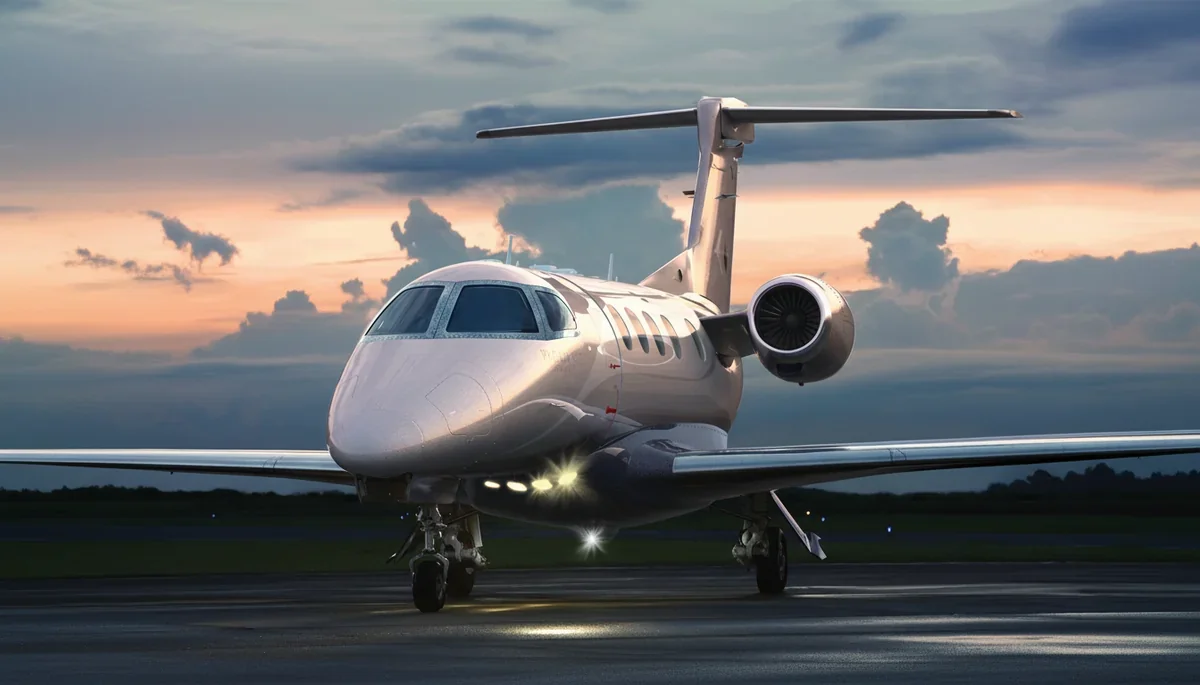
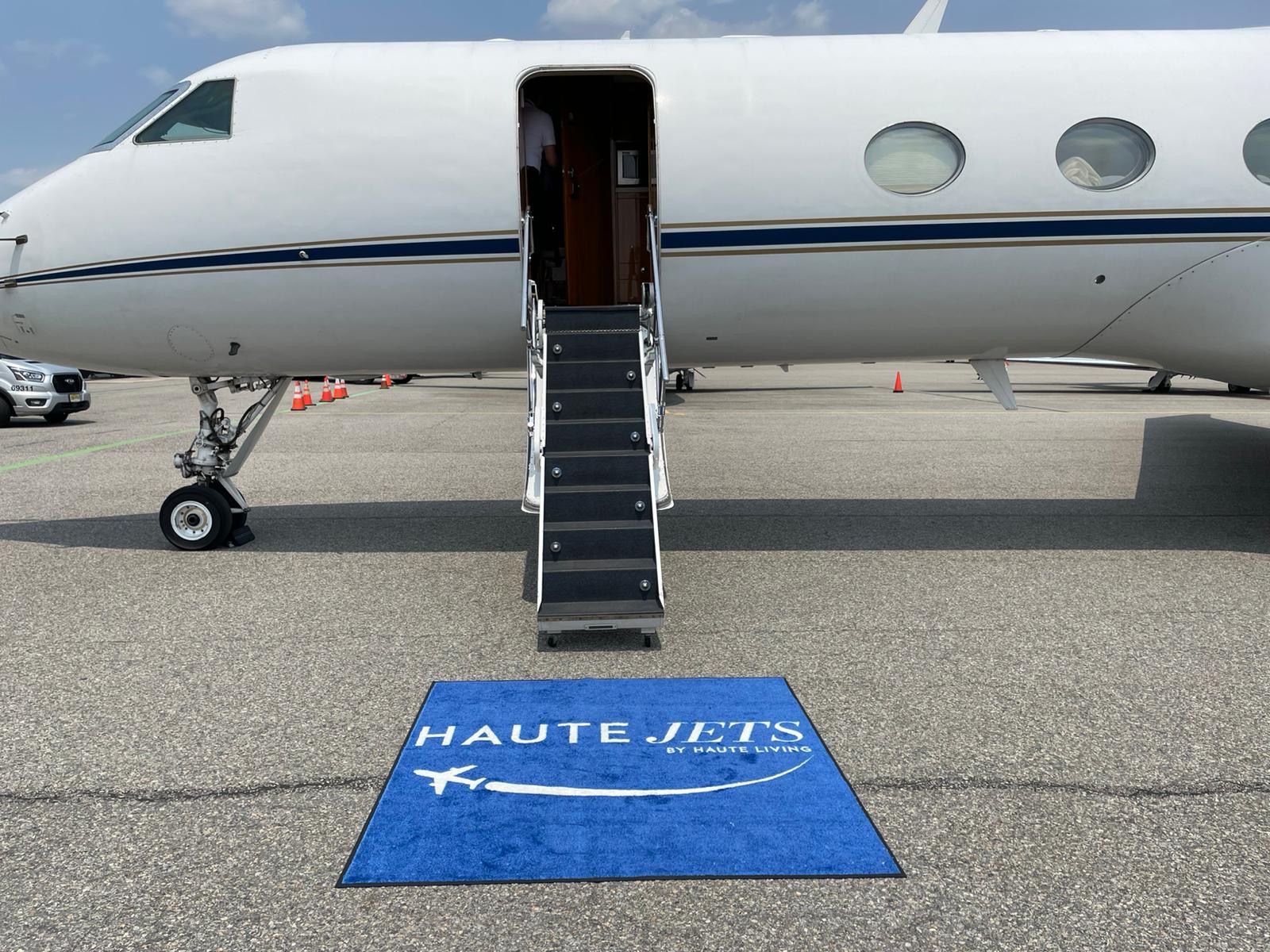
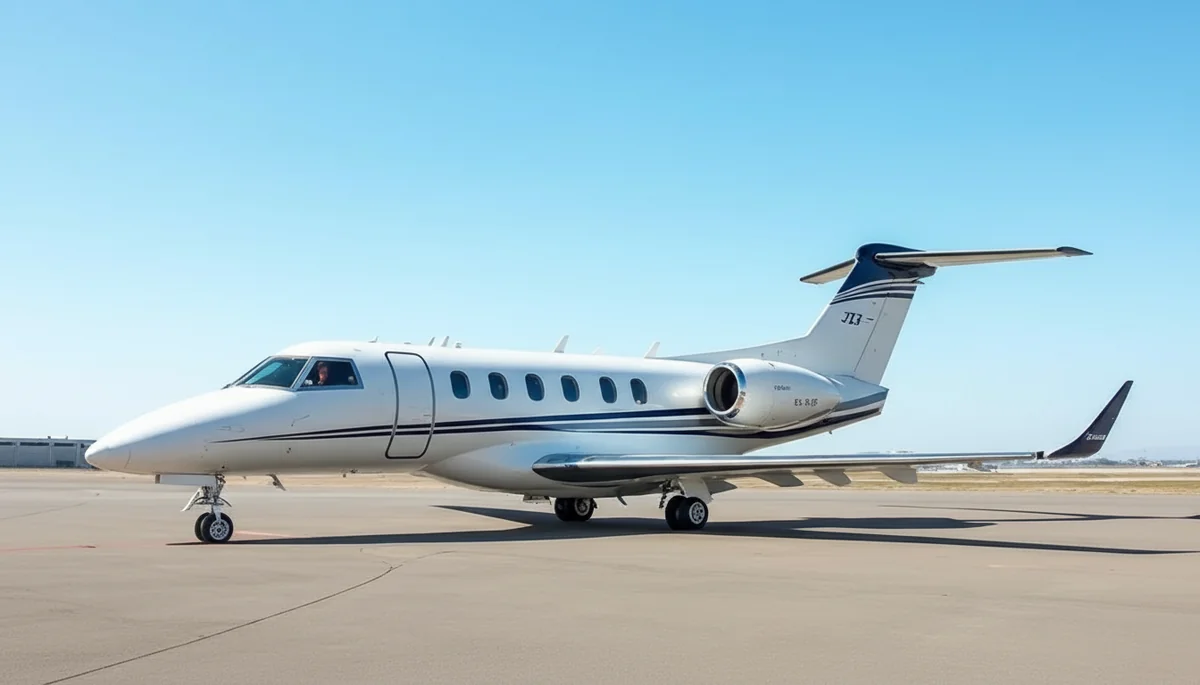
Sleek Falcon private jet on runway.

Falcon Private Plane Guide: Models, Features & Pricing

When you begin exploring the world of private aviation, you’ll quickly notice that every aircraft has a story. The story of Dassault’s Falcon jets begins not in a corporate boardroom, but on the front lines of military aviation. Born from the same engineering minds that created the legendary Mirage and Rafale fighter jets, these aircraft possess a unique heritage of power, precision, and resilience. This military DNA is evident in every aspect of their design, from advanced aerodynamics to robust structural integrity. For the discerning traveler, this means a falcon private plane offers more than just a luxurious cabin; it provides an exceptionally smooth, safe, and efficient flight, built on a foundation of proven performance.

Key Takeaways

  • Benefit from Fighter Jet Engineering: Falcon jets are built with military precision, giving them superior performance, safety, and the ability to access more airports with shorter runways. This unique heritage results in a more capable and reliable aircraft for any mission.
  • Understand the Total Cost of Ownership: The investment in a Falcon jet extends beyond the purchase price to include operational costs like fuel, crew, and maintenance. Exploring options like full ownership, fractional programs, or leasing helps you find a financial structure that fits your specific needs.
  • Partner with Experts for a Seamless Experience: Managing a private jet involves significant logistics, from crewing to regulatory compliance. Using an aircraft management company can handle these complexities, allowing you to enjoy the benefits of ownership without the operational burdens.

What Sets Falcon Private Jets Apart?

When you step into the world of private aviation, you’ll find that every aircraft manufacturer has its signature strengths. For Dassault Aviation, the creator of the Falcon line, that signature is a unique blend of military precision and civilian luxury. Unlike many of their competitors, Falcon jets are born from a lineage of high-performance fighter aircraft, including the legendary Mirage and Rafale jets. This heritage isn’t just a talking point; it’s embedded in the very DNA of their design, resulting in aircraft that are exceptionally robust, technologically advanced, and incredibly efficient.

This military background gives Falcon jets a distinct edge in performance and safety. They are renowned for their ability to operate from shorter runways and at higher altitudes, granting you access to more airports worldwide. Inside, the cabin experience is pure luxury, but it’s the underlying engineering that truly defines the brand. From advanced avionics that reduce pilot workload to innovative wing designs that ensure a smoother ride, every element is crafted for an optimal balance of speed, range, and comfort. This commitment to balanced design makes Falcon jets a versatile and reliable choice for any mission.

Integrated Military-Grade Technology

The connection between Falcon jets and their military cousins is more than just history—it’s a direct transfer of technology. Dassault applies the same rigorous engineering standards and advanced systems developed for its fighter jets to its private aircraft. This means that when you fly on a Falcon, you’re benefiting from decades of proven performance in the most demanding environments imaginable. This military-grade technology translates into superior structural integrity, exceptional reliability, and enhanced safety features that give both passengers and pilots complete peace of mind. It’s this robust foundation that allows Falcon to consistently deliver a secure and dependable travel experience.

Superior Wing Design and Performance

One of the most celebrated features of any Falcon jet is its wing design. Drawing from their expertise in high-performance aerodynamics, Dassault engineers craft wings that are both highly efficient and incredibly strong. Many newer models, like the Falcon 10X, feature wings made from advanced carbon fiber composites. This design allows for a slower, safer approach speed without sacrificing high-speed cruise performance. For travelers, the practical benefit is significant: Falcon jets have excellent short-field capabilities. This means they can take off and land on shorter runways, opening up access to smaller, more convenient airports that are often closer to your final destination.

Next-Generation Avionics

In the cockpit, Falcon jets are equipped with some of the most advanced avionics in the industry. The state-of-the-art flight deck is designed to maximize pilot awareness while minimizing workload. A key feature is the FalconEye Combined Vision System, which merges enhanced and synthetic vision to give pilots a clear view of the terrain and runway, even in poor weather or at night. The intuitive layout, featuring large touchscreens and streamlined controls, allows the flight crew to manage the aircraft’s systems with greater ease and precision. For passengers, this focus on cutting-edge avionics translates directly into a safer, smoother, and more efficient flight from takeoff to landing.

A Philosophy of Balanced Design

While some jets prioritize speed and others focus on cabin size, Falcon’s guiding philosophy is one of perfect balance. The company is known for creating aircraft that excel across the board without making compromises. A Falcon jet offers a harmonious blend of long range, high speed, fuel efficiency, and exceptional comfort. This versatility makes them an ideal choice for a wide range of travel needs, whether you’re planning a short regional trip or an intercontinental journey. This all-around excellence is why so many discerning travelers request a quote for a Falcon when they need an aircraft that can truly do it all.

Sustainable Flight Features

As the aviation industry moves toward a more sustainable future, Dassault is at the forefront with its commitment to eco-friendly innovation. Newer Falcon models are designed to be significantly more fuel-efficient than their predecessors, reducing both operating costs and environmental impact. More importantly, the entire Falcon fleet is certified to fly with Sustainable Aviation Fuels (SAFs). These advanced biofuels can reduce carbon emissions by up to 80% compared to traditional jet fuel. By investing in aerodynamic efficiency and embracing alternative fuels, Falcon allows you to enjoy the pinnacle of private air travel while minimizing your carbon footprint.

A Guide to Popular Falcon Models

Dassault has built a reputation for creating jets that are as powerful as they are elegant. The Falcon family includes a range of models tailored to different travel needs, from efficient regional hops to non-stop global journeys. What makes them stand out is their unique tri-jet design on many long-range models, which provides exceptional performance and the ability to access airports with shorter runways—a significant advantage for travelers seeking convenience and flexibility. This blend of military precision and civilian luxury means you get a jet that’s not only comfortable but also incredibly capable and safe, especially on transoceanic flights. Each aircraft in the Haute Jets fleet is selected for its performance and luxury, and the Falcon line is a consistent favorite for discerning travelers. Understanding the key differences between models can help you select the perfect aircraft for your next trip. Let’s look at some of the most popular models in the Falcon lineup to see which one fits your travel style.

The Falcon 2000 Series

The Dassault Falcon 2000 is a smaller, twin-engine version of the Falcon 900, designed for efficiency and comfort. With a range of 4,150 nautical miles, it’s perfectly suited for both short and medium-haul flights, easily handling trips like New York to Paris. The 2000 series is known for its wide, comfortable cabin that feels surprisingly spacious for a jet of its size, offering plenty of room to work or relax. Its combination of range, speed, and cost-effectiveness makes it a popular and reliable choice for both business and leisure travel. The Dassault Falcon family of jets consistently delivers on performance, and the 2000 series is a prime example of that balanced design.

The Falcon 900LX

The Falcon 900LX is a highly versatile private jet equipped with three engines, allowing it to operate efficiently on both short and long-distance flights. That third engine isn’t just for show—it gives the 900LX exceptional performance, allowing it to use shorter runways and providing an extra layer of safety on long-haul, over-water routes. Its design emphasizes flexibility, making it a popular choice among business travelers who might fly from Aspen to London. The cabin is spacious and quiet, offering a comfortable environment for productivity or rest. The Falcon 900LX remains a cornerstone of private aviation due to its proven reliability and adaptability for various mission profiles.

The Falcon 7X

The Falcon 7X is a three-engine jet that represents an advanced version of the Falcon 900. With a range of 5,950 nautical miles, it is designed for long-haul travel while providing exceptional comfort and performance. This jet can connect city pairs like Shanghai and Seattle non-stop, making it a true global traveler. The 7X was a pioneer, being the first business jet to use a digital flight control system adapted from military fighter jets. This technology provides an incredibly smooth and stable flight, even in turbulence. For travelers who need to cross continents and arrive feeling refreshed, the 7X is an outstanding choice when you request a charter flight.

The Falcon 8X

The Falcon 8X is the flagship model in the Falcon lineup, offering ultra-long-range capabilities of up to 6,450 nautical miles. It combines luxury with advanced technology, making it ideal for international travel. This jet can fly from Los Angeles to Beijing non-stop, all while offering one of the quietest and most comfortable cabins in the sky. The interior is highly customizable, with over 30 possible layouts to create the perfect environment for work, dining, or sleep. For those who demand the pinnacle of performance and luxury for their global travel needs, the 8X is the ultimate choice. It’s a popular option for those looking to buy a jet that offers uncompromising range and comfort.

The Falcon 6X

The Falcon 6X is a new addition to the Falcon family, designed to replace the Falcon 5X. It features a range of 5,500 nautical miles and offers a spacious cabin, making it a strong contender in the super mid-size jet market. The standout feature of the 6X is its cabin cross-section—the tallest and widest in its class. This creates an open, airy environment that feels more like a room than a tube, complete with a skylight in the galley. It’s designed for long-range comfort and can easily handle flights like London to Hong Kong. The 6X sets a new benchmark for passenger experience, blending long-haul performance with an exceptionally welcoming interior.

The Falcon 10X

The Dassault Falcon 10X is an upcoming ultra-long-range business jet that promises a large cabin and advanced features. Poised to become the new flagship, it is expected to enter service in late 2025, setting a new standard for luxury and performance in private aviation. The 10X is designed to have a cabin larger than some regional commercial jets, offering unmatched space and modularity, including options for a private stateroom with a queen-sized bed and a shower. With a projected range of 7,500 nautical miles, it will connect virtually any two cities on the globe. The Falcon 10X represents the future of luxury air travel.

Understanding the Investment: Costs and Financing

Buying a private jet is a major financial commitment, but understanding the full picture makes the process much clearer. Beyond the initial purchase price, you’ll want to account for ongoing operational expenses, insurance, and maintenance. Think of it as creating a complete financial flight plan for your aircraft. This breakdown covers the key costs and financing avenues you’ll encounter when you decide to buy a jet, helping you make a well-informed decision that aligns with your financial goals and travel needs.

Typical Purchase Prices

Let’s start with the sticker price. The cost of a new Dassault Falcon jet varies by model and customization. For example, a 2024 Falcon 2000LXS is priced around $37 million, while the larger, longer-range 2024 Falcon 8X comes in at about $65.7 million. Pre-owned aircraft offer a more accessible entry point, with prices depending on age, flight hours, and condition. These figures represent the initial capital outlay, the first major step in your ownership journey. Understanding this range helps you identify which models in the Falcon fleet align with your budget from the outset.

Breaking Down Operating Costs

The purchase price is just the beginning; ongoing operating costs are a crucial part of the budget. These expenses include fuel, crew salaries, hangar fees, insurance, and routine maintenance. To give you an idea, the hourly operating cost for a Dassault Falcon 2000LX is approximately $6,935. For a larger Falcon 7X, total variable costs can reach over $3.1 million annually, assuming 450 flight hours. These figures can fluctuate based on fuel prices and usage, but they provide a realistic baseline for your financial planning. Comparing these expenses to on-demand charter pricing can help you weigh the benefits of ownership versus chartering.

Your Financing Options

You don’t have to purchase a jet with cash. Several private jet financing options are available to make ownership more attainable. The most common route is a traditional loan from a financial institution specializing in aviation. Another popular choice is leasing, which offers the benefits of a private jet without the long-term commitment of ownership. Finally, fractional ownership allows you to purchase a share of an aircraft, giving you access to a jet for a set number of hours per year while splitting the costs with other owners. Each path has its own advantages, so it’s worth exploring which structure best suits your financial strategy.

Essential Insurance Coverage

Protecting your investment is paramount, and comprehensive insurance is non-negotiable. Private jet insurance is typically broken down into a few key areas. Hull insurance covers physical damage to the aircraft itself, whether it’s on the ground or in the air. Liability insurance protects you against claims for injury or property damage to third parties. Depending on your travel patterns and where you operate, you may also need additional coverage for specific risks, such as international travel or operations in high-risk areas. Working with an aviation insurance specialist will ensure you have the right coverage for your aircraft and peace of mind.

Planning for Maintenance

A well-maintained jet is a safe and valuable asset. Dassault Falcon jets are known for their reliability, but a proactive maintenance plan is essential. This includes routine inspections, scheduled engine overhauls, and software updates for the avionics systems. The quality of care an aircraft receives directly impacts its performance, safety, and long-term value. A detailed maintenance history is one of the first things a potential buyer will look at, so keeping meticulous records not only ensures compliance with regulations but also protects your investment for the future. The level of care shown by an owner is a direct reflection on the aircraft’s condition.

Maximizing Resale Value

When you decide to sell or upgrade your jet, you’ll want to get the best possible return. Maximizing resale value starts from day one of ownership. Key factors that influence a jet’s worth include its total flight hours, the completeness of its maintenance records, and its incident history. Keeping the interior and exterior in pristine condition also plays a significant role. A clean, well-documented history makes your aircraft much more attractive to prospective buyers. A thorough pre-owned private jet valuation will always heavily weigh the aircraft’s history and upkeep, so consistent care is your best strategy for preserving its value.

Common Financing Myths, Debunked

One of the biggest myths in private aviation is that you have to be a billionaire to own a jet. While it’s certainly a luxury, ownership is more accessible than many people believe. Thanks to the variety of financing, leasing, and fractional ownership models available, a wider range of individuals and businesses can enjoy the benefits of private flight. The idea that ownership is an all-or-nothing cash purchase is simply outdated. By exploring the different financial pathways, you might find that owning a Falcon jet is well within your reach. This flexibility is one of the key private jet truths that has opened up the market.

How to Buy a Falcon Jet

Acquiring a Falcon jet is a significant milestone, and the process involves more than just choosing a model. It’s about finding the right partners and ownership structure to match your travel needs and financial goals. Let’s walk through the key steps to make your purchase as smooth as possible.

Finding the Right Provider

Your first step is to connect with a provider who understands the market and can guide you through the complexities of aircraft acquisition. At Haute Jets, we specialize in a personalized approach to aircraft sales and management, focusing on finding the perfect jet for your specific needs without locking you into a rigid program. Other providers offer different models; for example, NetJets and Flexjet focus on fractional ownership and leasing, while VistaJet operates on a subscription basis. For owners who need operational support, a company like Jet Aviation provides comprehensive aircraft management services, from hiring crew to overseeing maintenance.

Choosing an Ownership Model

Once you have a provider, you’ll need to decide on an ownership structure. Full ownership gives you complete control over your aircraft, but it also comes with the full responsibility of management and operating costs. If you fly a predictable number of hours per year, fractional ownership might be a better fit, allowing you to buy a share of a jet. Leasing is another great option if you want the benefits of a private jet without the long-term capital commitment. Each path has its own set of benefits, and understanding the nuances of private jet financing is crucial before making a decision.

Exploring Charter Alternatives

Before committing to a purchase, you might consider the flexibility of chartering. Flying on demand allows you to experience different Falcon models and get a real-world feel for what you need without the upfront investment and ongoing responsibilities of ownership. Chartering is a practical and cost-effective way to fly privately. You only pay for the trips you take, and you have access to a global fleet of aircraft. This approach gives you the freedom to choose the right jet for each specific mission. Exploring charter flights can be a smart first step, giving you valuable insight into your travel patterns before you decide to buy.

Preparing the Necessary Paperwork

The final stage before you begin your search in earnest is getting your paperwork in order. This goes beyond just having your personal identification ready. Lenders and brokers will want to see a clear financial picture, so it’s wise to have your financial statements, proof of income, and any business documentation organized. Before you even approach a lender, you should have a thorough understanding of the total cost of ownership, including insurance, hangar fees, crew salaries, and maintenance reserves. Having this information prepared not only speeds up the financing process but also demonstrates that you are a serious and well-informed buyer.

Key Considerations for Falcon Jet Owners

Owning a Falcon jet is an incredible experience, but the journey doesn’t end once you have the keys. To make the most of your investment, it’s helpful to think through the day-to-day realities of managing a sophisticated aircraft. From where you’ll fly to who will fly it, these practical considerations ensure your ownership experience is as seamless and enjoyable as the flights themselves. Thinking about these factors ahead of time sets you up for success and lets you focus on what matters most: enjoying the freedom and luxury of your own private jet.

Airport Access and Logistics

One of the biggest advantages of private aviation is flexibility, and that includes where you can land. It’s a common myth that private jets are limited to small, out-of-the-way airfields. In reality, the superior performance of Falcon jets gives them access to thousands of airports worldwide, from major international hubs to shorter runways closer to your final destination. When planning, you’ll want to consider logistics beyond the runway, such as securing hangar space, arranging ground transportation, and coordinating with Fixed-Base Operators (FBOs) for services. A well-thought-out logistics plan ensures every trip is smooth from start to finish.

Safety Standards and Regulations

Safety is the cornerstone of private aviation. As an owner, you are responsible for ensuring your aircraft meets and exceeds the rigorous safety standards set by aviation authorities like the FAA. This involves a strict schedule of maintenance, regular inspections, and ensuring your crew’s training is always up to date. Compliance isn’t just about following rules; it’s about cultivating a culture of safety that protects you, your passengers, and your investment. Many owners work with a management company to handle these complex regulatory requirements, providing peace of mind that every detail is covered.

Selecting a Management Service

For many owners, the path to a successful ownership experience begins with choosing the right aircraft management company. Think of them as your personal flight department, handling all the operational complexities so you don’t have to. A great management service will oversee everything from maintenance scheduling and regulatory compliance to flight crew staffing and financial reporting. They can even help offset ownership costs by chartering your jet when you’re not using it. When you decide to buy a jet, partnering with an experienced consultant or management firm is one of the most important first steps you can take.

Protecting Your Privacy and Security

While private jet travel offers a level of discretion commercial flights can’t match, complete privacy isn’t guaranteed. Owners must still comply with regulations that can involve flight tracking, and high-profile individuals may face unique security considerations. To protect your privacy, you can take steps like placing the aircraft’s ownership in a trust or an LLC. It’s also wise to work with an operator who understands the nuances of security and discretion. Being aware of the landscape and taking proactive measures allows you to enjoy your travel with confidence and peace of mind.

Customization and Personalization

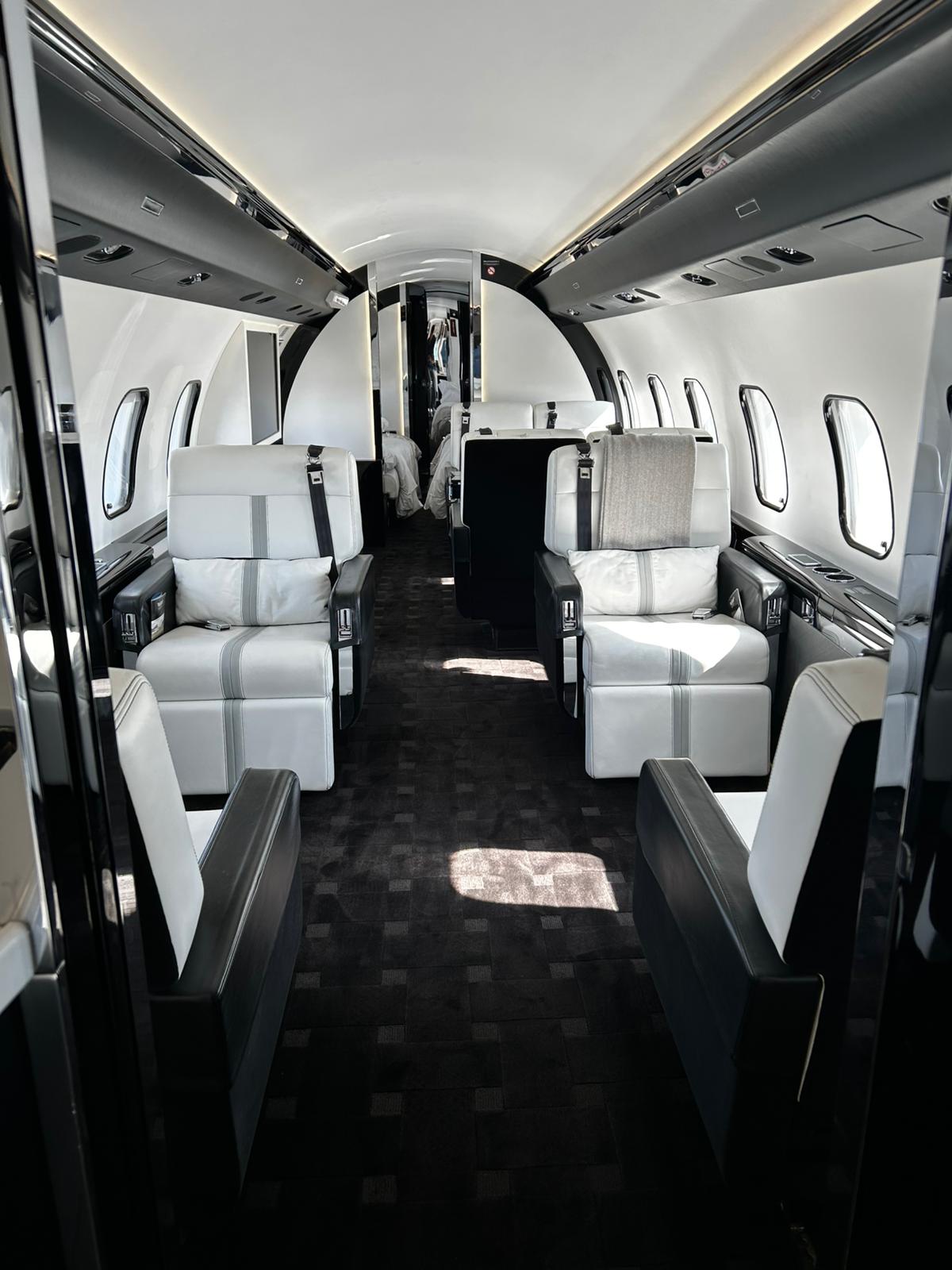
One of the most exciting aspects of owning a Falcon jet is the ability to tailor the cabin to your exact specifications. The interior of a modern Falcon is a blank canvas. You can design a layout that perfectly suits your needs, whether that includes a large galley for gourmet meals, a private office for in-flight meetings, a lounge for relaxing, or even a master suite with a full-sized bed. This level of personalization extends to everything from the materials and finishes to the onboard technology and entertainment systems, ensuring your aircraft is a true reflection of your personal style and a comfortable home in the sky.

Assembling Your Flight Crew

Fully owning an aircraft means you’re also managing a team. Your flight crew—pilots, flight attendants, and maintenance technicians—are essential to your operation’s success and safety. The process involves hiring, training, and managing highly skilled professionals, which can be a significant undertaking, especially given the current shortage of business aviation pilots. You need a crew that is not only technically proficient but also aligns with your service expectations and commitment to discretion. This is another area where a professional aircraft management company can provide immense value by handling all the crewing logistics for you.

Analyzing Fuel Efficiency

While you’re enjoying the luxury and speed of your Falcon, it’s important to keep an eye on the operational budget, and fuel is one of the largest recurring expenses. Falcon jets are renowned for their impressive fuel efficiency, which gives them a competitive edge in operating costs. However, fuel prices fluctuate, and consumption varies by model and flight patterns. Understanding your aircraft’s specific fuel burn rate is critical for accurately forecasting your annual expenses. Factoring this into your overall private jet rental costs and ownership budget will help you manage your investment effectively and avoid any financial surprises down the line.

Related Articles

Frequently Asked Questions

Why do some Falcon jets have three engines, and what’s the advantage? The three-engine, or “tri-jet,” design is a signature feature of Dassault’s long-range models like the 900LX and 8X. This configuration provides significant performance benefits. It gives the aircraft extra power for takeoffs from shorter runways and high-altitude airports, which opens up access to more destinations. For long-haul flights over water, that third engine also provides an additional layer of safety and peace of mind.

How does the military background of Falcon jets actually benefit me as a passenger? Dassault’s history of building fighter jets directly translates into a better flight experience for you. The advanced aerodynamics and robust structural engineering result in an exceptionally smooth and quiet ride, even in turbulence. This military-grade precision also means the aircraft has superior performance capabilities, like the ability to land at slower, safer speeds. Ultimately, you’re flying in a jet built with a level of reliability and safety that has been proven in the most demanding conditions.

With so many Falcon models, how do I choose the right one for my travel needs? The best way to select a model is to think about your typical mission. If you primarily fly shorter domestic or regional routes, a twin-engine jet like the Falcon 2000 series offers great efficiency and comfort. For regular transcontinental or international travel, a long-range tri-jet like the 7X or 8X would be a better fit, as they are designed for non-stop global journeys. The best first step is to analyze your travel patterns, and from there, you can match them to the aircraft with the right balance of range, cabin size, and performance.

Is it more cost-effective to buy a Falcon jet or just charter one? The right answer really depends on how often you fly. If you fly more than 200-250 hours per year, the economics of full ownership can start to make sense. For anything less than that, chartering is often the more practical and financially sound choice. Chartering gives you the flexibility to choose the perfect aircraft for each specific trip without the significant capital investment and ongoing responsibilities of ownership. It’s also a great way to experience different Falcon models before you consider making a purchase.

I’m interested in buying a jet, but managing it seems overwhelming. What are my options? You’re right, managing an aircraft is a complex, full-time job. That’s why most owners don’t do it themselves. The most common solution is to hire a professional aircraft management company. These firms handle every operational detail for you, from hiring and training your flight crew to scheduling maintenance and ensuring regulatory compliance. This allows you to enjoy all the benefits of ownership without any of the logistical headaches.

Other Stories