When you start researching private jets, you’ll quickly discover that the price tags are as varied as the aircraft themselves. A key question is what separates a $5 million jet from a $50 million one. The answer lies in a combination of performance, luxury, and technology. The personal jet price is directly tied to its size, how far it can fly, the sophistication of its avionics, and the comfort of its cabin. This article will walk you through the essential elements that shape an aircraft’s value, helping you understand what you’re paying for and how to choose an aircraft that aligns with your expectations.
Key Takeaways
- Budget for More Than the Purchase Price: The initial cost is just the starting point. True ownership includes substantial ongoing expenses for operations, crew, maintenance, and insurance that must be factored into your financial plan.
- Define Your Travel Needs First: The best jet for you is one that fits your typical travel. Before looking at models, analyze your usual passenger numbers, flight distances, and necessary in-flight amenities to guide your search effectively.
- Consider All Ways to Fly Private: Full ownership is just one route. On-demand chartering provides ultimate flexibility without the long-term commitment, making it a smart and cost-effective choice for many travelers.
A Guide to Personal Jet Categories and Prices
Thinking about buying a private jet is exciting, but the prices can be complex. Jets fall into different categories, each with a price point matching its capabilities. Understanding these classes is the first step to finding the right aircraft for your travel needs. From nimble light jets for regional hops to globe-spanning models, let’s break down the main categories.
Light Jets and Entry-Level Options
Light jets are a great entry point into private ownership, with prices from $5 million to $10 million. Designed for shorter flights, they are perfect for quick business trips and typically seat four to eight passengers. While they lack the stand-up cabins of larger aircraft, they offer a major upgrade in speed and privacy over commercial flying. You can see examples of these efficient aircraft in our private jet fleet.
Midsize Aircraft Pricing
Midsize jets are the next step up, priced between $15 million and $20 million. They offer a more spacious cabin—often tall enough to stand in—and can handle longer, non-stop trips like flying coast-to-coast. Accommodating larger groups, they are a popular choice for families or corporate teams. Midsize jets provide more luxury amenities without the higher operating costs of a large-cabin jet, making them a sweet spot in the market.
Large-Cabin and Ultra-Long-Range Jets
When your travel is global, large-cabin and ultra-long-range jets are in a class of their own. These are the pinnacle of private aviation, with prices starting around $36 million and reaching $80 million. They are essentially flying suites, equipped with full galleys, sleeping areas, and conference spaces. Designed for intercontinental flights, they offer unmatched comfort for a dozen or more passengers. If you want to buy a jet with ultimate luxury, this is the category to explore.
New vs. Pre-Owned Price Differences
A key decision is whether to buy a new or pre-owned aircraft. A brand-new jet can range from $3.5 million to $80 million. In contrast, the pre-owned market offers a path to ownership for much less. You can often find well-maintained used jets for under $2 million, with some older models available for less than $1 million. While a new jet comes with the latest technology and a warranty, a pre-owned aircraft can provide incredible value.
What Determines a Private Jet’s Price?
When you start looking into private jets, you’ll quickly see that the price tags are as varied as the aircraft themselves. The final cost isn’t just one number; it’s a complex equation influenced by a handful of key factors. From the size of the aircraft to the name on the tail, each element plays a significant role in shaping the final price. Understanding these variables is the first step toward finding the right jet for your travel needs, whether you’re looking to buy or simply want to understand the value behind chartering. Let’s break down exactly what goes into pricing a private jet.
Aircraft Size and Range
One of the most significant factors driving a jet’s price is its size and how far it can fly without refueling. Jets are typically grouped into categories like light, midsize, and large-cabin, and the price increases with each step up. A light jet is perfect for shorter, regional trips, while an ultra-long-range jet can carry more passengers across continents in a single flight. The larger the aircraft, the more powerful its engines and the more sophisticated its systems, all of which contribute to a higher price. You can explore a wide variety of aircraft to see how these capabilities differ across models and find what best suits your typical travel plans.
Age and Condition
Just like with cars, a brand-new jet will cost significantly more than a pre-owned one. Opting for a used aircraft can be a smart way to enter the world of private aviation without the premium price tag of a factory-new model. However, age is only part of the story. The jet’s overall condition—including its maintenance history, total flight hours, and the state of its interior and exterior—is crucial. A well-maintained older jet can offer incredible value, while a newer one with a spotty record could come with hidden costs. When you’re ready to buy a jet, a thorough pre-purchase inspection is an absolute must to ensure you know exactly what you’re getting.
Brand and Model
The private aviation world has its own set of luxury brands, and the manufacturer’s reputation heavily influences a jet’s price. Names like Gulfstream, Bombardier, and Dassault are synonymous with quality, performance, and cutting-edge technology, and their aircraft often command higher prices, both new and on the pre-owned market. Specific models also develop their own reputations for reliability, efficiency, or comfort, which can affect their value. Newer models from top-tier brands often feature the latest advancements in avionics and cabin design, making them highly sought after. The brand isn’t just a name; it’s a promise of a certain standard of engineering and experience.
Customization Costs
A private jet is a highly personal space, and customization is where you can truly make it your own—but it comes at a cost. The interior of a jet can be configured in countless ways, from the layout of the cabin to the materials used for seating and finishes. High-end options like handcrafted woodwork, premium leather, and bespoke entertainment systems can add millions to the purchase price. Beyond aesthetics, technological upgrades such as advanced in-flight Wi-Fi, state-of-the-art sound systems, and custom lighting also play a major role. These personalized touches are what transform a standard aircraft into a unique and luxurious travel environment.
Market Demand
Like any high-value asset, the price of a private jet is subject to the laws of supply and demand. The market is constantly shifting based on the global economic climate, the popularity of certain models, and even fluctuations in fuel costs. When demand is high and the availability of a specific jet is low, prices will naturally rise. Conversely, if the market is saturated, you may find more room for negotiation. Understanding these trends is key to making a smart purchase. These same market forces also influence private jet rental costs, making it important to stay informed whether you’re buying or chartering.
The True Cost of Owning a Jet
Buying a private jet is an incredible achievement, but the sticker price is only the first chapter of the financial story. Understanding the full scope of expenses is key to making a smart investment. Ownership involves a complex web of fixed and variable costs that continue long after the initial purchase. From hangar fees and crew salaries to routine maintenance and fuel, these ongoing expenses are substantial. Thinking through these costs helps you build a realistic picture of what it takes to keep your aircraft ready for takeoff at a moment’s notice.
The Initial Purchase
The first number you’ll encounter is the purchase price, and it can vary dramatically. Private jet prices can start around $1 million for a pre-owned light jet and soar to over $100 million for a new, top-of-the-line, ultra-long-range aircraft. This initial investment depends on factors like the jet’s size, range, age, and level of customization. While it’s the most straightforward cost, it’s important to remember that this large capital outlay is just the beginning. The real financial commitment of ownership unfolds over the years through a series of recurring operational expenses.
Ongoing Operating Expenses
Once you own the jet, the annual costs to keep it flying begin. On average, operating a private jet costs between $500,000 and $1 million per year, though this figure can be much higher for larger aircraft. These expenses are a mix of fixed costs, which you pay regardless of how much you fly, and variable costs, which depend on usage. Fixed costs include crew salaries, hangar rentals, and insurance. Variable costs cover fuel, maintenance, landing fees, and in-flight catering. Managing these expenses requires careful planning and a dedicated team to ensure your aircraft remains an asset, not a liability.
Maintenance and Repairs
Just like any sophisticated piece of machinery, a private jet requires regular, meticulous maintenance to ensure safety and performance. These costs are non-negotiable and mandated by aviation authorities. Annual inspections, routine checks, and unexpected repairs can add up to hundreds of thousands of dollars each year. Some owners choose to offset these costs by renting out their jet when they aren’t using it, turning downtime into a revenue opportunity. However, this also adds a layer of management complexity. A well-maintained jet not only ensures safety but also protects its long-term resale value.
Crew and Training
Your flight crew is essential to your travel experience, and their salaries and training represent a significant fixed cost. A dedicated crew typically includes at least two pilots and may include a flight attendant, depending on the aircraft’s size. You’re not just paying salaries; you’re also covering benefits, uniforms, and recurrent training to keep their skills sharp and compliant with the latest safety standards. For some owners, the total fixed annual costs for crew, management, and other fixed expenses can easily exceed $1 million. This investment ensures you have a trusted, professional team ready whenever you need to fly.
Insurance and Hangar Fees
Protecting your multi-million dollar asset is paramount, which makes insurance and hangarage two critical fixed costs. Aviation insurance is a specialized field, and policies must cover liability and the physical value of the aircraft itself. Premiums can be substantial, often running into tens or even hundreds of thousands of dollars annually. Additionally, you’ll need a secure place to store your jet. Renting hangar space protects your aircraft from the elements, prevents damage, and provides a base for your crew and maintenance operations. These fees vary widely based on the airport’s location and the hangar’s size and amenities.
Fuel Management
Fuel is one of the largest variable expenses in private jet ownership. The cost can fluctuate based on global oil prices, location, and the type of jet you own. A larger, long-range jet will consume significantly more fuel than a light jet. To put it in perspective, the hourly cost of chartering one, which is heavily influenced by fuel prices, can range from $4,000 to over $20,000. As an owner, you’ll be paying for fuel directly. Efficient flight planning and fuel purchasing strategies can help manage these costs, but they will always represent a major part of your operational budget for every trip you take.
Key Features That Affect a Jet’s Value
When you’re looking to buy a jet, the sticker price is just the beginning. Several key features have a major impact on an aircraft’s market value, resale potential, and overall ownership experience. Beyond the basics like age and flight hours, the specific amenities and technologies on board play a huge role in determining a jet’s true worth. These elements separate a standard aircraft from a truly exceptional one, influencing everything from passenger comfort to operational safety. Understanding these value drivers is essential for making a smart investment that aligns with your travel needs and financial goals.
Cabin Comfort and Design
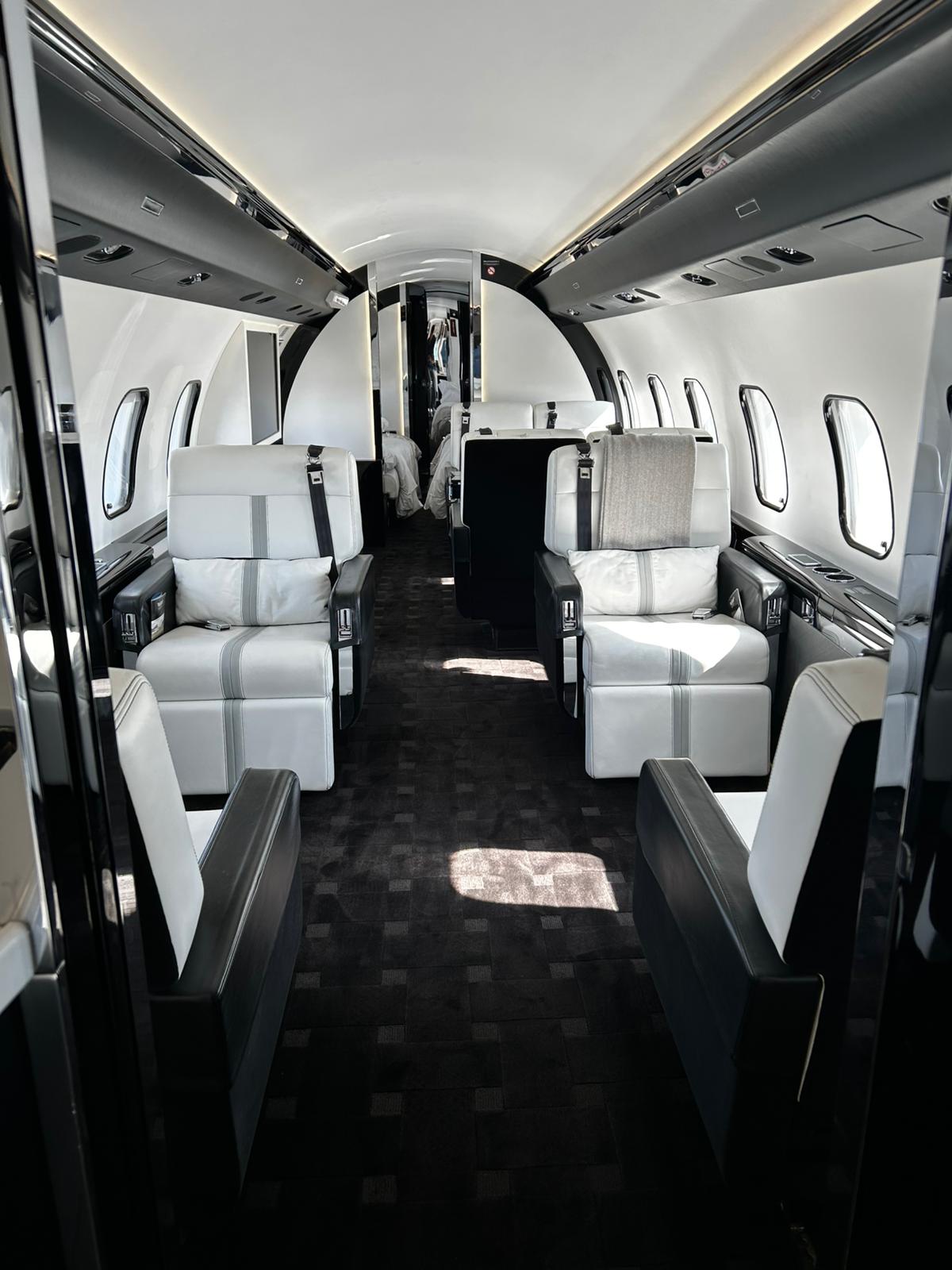
The interior of a private jet is where you’ll spend your time, so it’s no surprise that cabin design is a primary factor in its valuation. A thoughtfully designed cabin with spacious layouts, plush, ergonomic seating, and high-quality materials can significantly increase a jet’s appeal and price. Features like custom woodwork, fine leather, and bespoke lighting create an environment of luxury and comfort. It’s not just about aesthetics; the functionality of the space, including quiet cabin technology and versatile seating arrangements, also contributes to a higher market value. A well-appointed interior signals a well-maintained aircraft and promises a superior travel experience.
Advanced Avionics and Technology
The technology in the cockpit is just as important as the luxury in the cabin. A modern avionics suite enhances flight safety, improves operational efficiency, and reduces pilot workload. Jets equipped with the latest navigation, communication, and flight management systems are more desirable and command higher prices. In the cabin, technology also plays a key role. Amenities such as a full galley for preparing meals, a fully-enclosed lavatory, and advanced climate control systems are expected in premium aircraft. These features ensure a seamless and comfortable journey, making the jet more attractive to discerning buyers.
Safety Innovations
Safety is the most important consideration in aviation, and technological advancements are constantly setting new standards. A private jet’s value is directly tied to its safety record and the innovations it incorporates. Aircraft equipped with modern safety features, such as Enhanced Vision Systems (EVS), Traffic Collision Avoidance Systems (TCAS), and advanced weather radar, are valued more highly. These systems provide pilots with greater situational awareness and help prevent accidents. Investing in a jet with a top-tier safety profile not only protects you and your passengers but also proves to be a wiser long-term financial decision.
In-Flight Connectivity
In today’s connected world, the ability to work, stream, and communicate from 40,000 feet is a necessity. High-speed Wi-Fi and reliable in-flight connectivity are no longer considered optional perks—they are standard expectations for modern private jets. An aircraft with a robust connectivity system that supports video conferencing, streaming, and seamless internet access will always be more valuable than one without. Upgraded entertainment systems, including large screens and premium audio, also add to the jet’s appeal. These features ensure that time spent in the air is both productive and enjoyable.
Baggage Capacity
Practicality is a key component of luxury, and having enough storage space is a crucial, often overlooked, feature. A jet’s value is influenced by its baggage capacity and the accessibility of the storage compartment. Aircraft that offer generous, easily accessible luggage space are more versatile and appealing, especially for travelers planning long trips or carrying specialty items like golf clubs or ski equipment. Some jets even offer in-flight access to the baggage hold, a convenient feature that adds to its practicality and overall market worth. When evaluating an aircraft, consider how its storage capabilities align with your typical travel requirements.
Smart Ways to Access a Private Jet
Flying private offers a level of convenience, privacy, and efficiency that commercial travel simply can’t match. But owning a jet isn’t the only way to enjoy these benefits. Depending on your travel frequency, budget, and desire for flexibility, there are several intelligent approaches to accessing the world of private aviation. From full ownership to on-demand charters, understanding your options is the first step toward finding the perfect fit for your lifestyle. Let’s explore the most common ways to fly private so you can make an informed decision.
The Benefits of Full Ownership
For those who fly extensively, nothing compares to the freedom of owning your own aircraft. Full ownership means the jet is yours, available whenever you need it, and customized to your exact preferences. It offers unparalleled convenience and privacy, allowing you to operate on your own schedule without compromise. You have complete control over the aircraft, from the cabin interior to the crew you hire. This option is ideal for individuals or corporations with high-volume travel needs who want a dedicated asset. If you’re ready to explore this path, our team can help you buy a jet that perfectly aligns with your requirements.
How Fractional Ownership Works
Fractional ownership is a popular middle ground between chartering and full ownership. With this model, you purchase a share of a specific aircraft, which entitles you to a set number of flight hours per year. You share the jet with other owners, which significantly reduces the initial acquisition price and splits the ongoing operational costs like maintenance, crew, and hangar fees. It’s a practical solution for those who fly more than 50 hours a year but don’t need the unlimited access that comes with full ownership. This approach provides many of the perks of ownership with a more predictable and manageable financial commitment.
The Flexibility of Chartering
For the ultimate flexibility without the long-term financial ties of ownership, chartering is the perfect solution. When you charter a flight, you pay only for the trips you take. This makes it an incredibly cost-effective option, especially since renting is typically cheaper unless you fly more than 400 hours annually. Chartering gives you on-demand access to a vast global fleet, allowing you to choose the ideal aircraft for each specific mission—whether it’s a light jet for a short business trip or a large-cabin jet for an overseas family vacation. With no membership fees or long-term contracts, you get all the luxury and convenience of private travel exactly when you need it.
Exploring Your Financing Options
If you decide that purchasing a jet is the right move, it’s important to understand the full financial picture. The initial purchase price is a significant investment, but it’s only one piece of the puzzle. Financing an aircraft involves considering not just the acquisition loan but also the ongoing expenses that follow. These costs include everything from fuel and insurance to crew salaries and maintenance, making it crucial to budget for them to ensure a smooth ownership experience. Creating a comprehensive financial plan that accounts for these variables is essential. Working with aviation finance specialists can help you structure a loan and budget that makes sense for your long-term goals.
Assessing Long-Term Value
Buying a private jet is a major capital investment, and thinking about its long-term value from day one is crucial. As experts note, the “large capital outlay… is only the beginning,” as the costs of maintenance, upgrades, and operations will continue throughout the life of the aircraft. Factors like the jet’s age, model, and technological features will all influence its future resale value. A well-maintained aircraft from a reputable manufacturer will hold its value better over time. When considering a purchase, it’s wise to analyze market trends and plan for the total cost of ownership, not just the sticker price, to ensure it remains a valuable asset.
How to Choose the Right Jet for You
Selecting the right private jet is a significant decision, one that balances your travel aspirations with practical financial considerations. It’s about finding an aircraft that doesn’t just get you from point A to point B, but that truly fits your lifestyle and mission. Whether you’re looking to purchase your first aircraft or upgrade your current one, thinking through a few key areas will help you make a choice you’ll be happy with for years to come. This process is about matching the machine to your specific needs, ensuring every flight is exactly as you envision it.
Analyze Your Travel Needs
Before you even look at a single aircraft, start by outlining your typical travel patterns. How many passengers do you usually fly with? Are your trips mostly short domestic hops or long-haul international flights? The answers will help you narrow down the right size and range. For instance, a light jet is perfect for quick business trips, while an ultra-long-range jet is necessary for transcontinental journeys. Also, consider what you need on board. When you’re flying for business, certain cabin amenities like high-speed Wi-Fi and meeting spaces are essential. Make a list of your must-haves to guide your search through the available fleet options.
Evaluate the Operating Costs
The sticker price of a jet is only the beginning. The true cost of ownership includes a wide range of ongoing expenses that are critical to budget for. These variable and fixed costs include fuel, maintenance, crew salaries, insurance, and hangar fees. The cost of owning and operating a private jet extends into several ongoing expenses, so it’s crucial to have a clear financial picture from the start. A larger, more complex aircraft will naturally have higher operating costs than a smaller one. Understanding these figures will help you determine a realistic budget and avoid any surprises down the road, ensuring a smooth ownership experience.
Understand Market Trends
The private aviation market is dynamic, with prices and availability shifting based on global economic factors and demand. Taking time to understand market trends can position you to make a smarter purchase. Is it currently a buyer’s or a seller’s market? Are certain models holding their value better than others? The private jet market has seen significant growth, driven by a desire for more efficient and personalized travel. Staying informed about these trends will not only help you negotiate a better price but also make a more strategic long-term investment in your travel.
Plan for Maintenance
Consistent, thorough maintenance is non-negotiable in private aviation. It ensures your aircraft is safe, reliable, and retains its value. As one expert notes, “Buying a plane demands a large capital outlay, but that’s only the beginning.” You’ll need to budget for routine inspections, unexpected repairs, and mandatory service bulletins. This is a significant responsibility of ownership, and it’s why many people prefer the simplicity of chartering, which leaves all maintenance concerns to the operator. If you do choose to buy, having a solid maintenance plan and a trusted service provider in place is absolutely essential from day one.
Consider the Future Resale Value
While you’re buying a jet for your use now, it’s wise to think about its value in the future. An aircraft is a major asset, and its resale value can be affected by its model, age, condition, and maintenance history. Some brands and models are known for retaining their value better than others. Purchasing a well-maintained, pre-owned private jet can be a cost-effective way to enjoy the benefits of private aviation while mitigating some initial depreciation. When you’re ready to explore your options, our team can help you buy a jet that meets both your current needs and your long-term financial goals.
Related Articles
- Private Jet Rental Costs: Detailed Insights into Plane Rental | Haute Jets
- What Makes a Good Private Jet? Features & Amenities – Haute Jets
- Cheap Private Jets: Your Guide to Affordable Luxury Travel – Haute Jets
Frequently Asked Questions
Why do two similar-sized jets have such different price tags? Think of it like luxury cars. While two jets might seat the same number of people, their prices can vary wildly based on the manufacturer’s reputation, the aircraft’s age, and its maintenance history. A newer model with the latest cockpit technology, high-speed Wi-Fi, and a custom-designed interior will always be valued much higher than an older jet with a standard layout and outdated systems.
Besides the purchase price, what are the main yearly costs I should expect? Owning a jet comes with significant annual expenses that fall into two main categories. First are the fixed costs you pay whether you fly or not, which include crew salaries, hangar storage, and insurance. Then you have the variable costs that depend on how much you use the jet, such as fuel, maintenance, and landing fees. These combined costs typically range from $500,000 to well over $1 million per year.
How do I decide if I should buy a jet or just charter flights? The best choice really comes down to how often you fly. If your travel schedule requires more than 150-200 hours in the air each year, the convenience and control of full ownership might be the right fit. For anything less than that, chartering is often the smarter, more flexible option. It gives you access to the perfect aircraft for each specific trip without the immense financial and logistical responsibilities of managing your own jet.
Is it really possible to buy a jet for under $2 million? Yes, you can find pre-owned jets in this price range, but it’s important to go in with your eyes open. These aircraft are typically older, smaller models that may come with higher maintenance needs and less advanced technology. While the entry price is attractive, a thorough pre-purchase inspection is critical to ensure you aren’t inheriting expensive mechanical issues.
I’m interested in flying private, but I’m not sure where to begin. What’s the first step? The best way to start is to experience it without the long-term commitment. Chartering a flight for your next trip is a perfect introduction. It allows you to understand the process, see what kind of aircraft you prefer, and learn what features are most important to you. This gives you valuable insight into the world of private aviation before you consider a larger investment like fractional or full ownership.