Flying private is the pinnacle of convenience and luxury, but being a savvy traveler means you also value smart financial decisions. Securing an exceptional experience doesn’t require an unlimited budget; it requires knowledge. There are several practical strategies you can use to make private aviation more economical without sacrificing an ounce of comfort or service. From chartering as a group to split the cost, to capitalizing on deeply discounted empty leg flights, you have more control than you might think. This article is your guide to flying smarter. We will show you how to find the best price for a private jet by being flexible, strategic, and informed about all your options.
Key Takeaways
- Choose your flight model based on travel frequency: On-demand chartering is the most flexible and cost-effective option for most travelers. Committing to jet cards, memberships, or ownership only makes financial sense if you fly more than 50 hours per year.
- Know what drives the price of your flight: For a charter, the final cost is primarily determined by the aircraft size, flight distance, and timing. For ownership, the purchase price is just the start; ongoing operational costs like maintenance, crew, and insurance are the largest expense.
- Fly for less by planning strategically: You can significantly reduce the cost of private travel by splitting the charter with a group, booking deeply discounted empty leg flights, and being flexible with your travel dates to avoid peak demand periods.
How Are Private Jets Priced?
Understanding the cost of flying private can feel complex, but it really comes down to how you choose to fly. Unlike commercial airlines with fixed ticket prices, private aviation offers several pricing models tailored to different travel needs and frequencies. The most common approach is the on-demand charter, where you pay for a specific trip based on an hourly rate. This is the simplest, most flexible way to fly, giving you access to a global fleet without any long-term commitment.
For those who fly more regularly, options like jet cards and memberships offer a different structure, allowing you to pre-purchase flight hours at a fixed rate. This can provide more predictable costs over time. A step beyond that is fractional ownership, where you co-own an aircraft with others, sharing both the costs and the flight time. Finally, for travelers with flexible schedules, empty leg flights present a fantastic opportunity to experience private travel at a fraction of the usual cost. Each model has its own set of benefits, and the right one for you depends entirely on your travel patterns, budget, and desire for flexibility.
Hourly Charter Rates
The most straightforward way to book a private jet is through an on-demand charter, which is priced by the hour. These rates typically range from $2,000 for a light jet to over $14,000 for a large, long-range aircraft. This hourly cost isn’t just for the plane; it’s an all-inclusive rate that covers the aircraft, a professional crew, fuel, and insurance for your flight. The primary factor influencing the price is the size and type of jet you choose. A smaller jet is perfect for short, regional trips, while a larger cabin aircraft is necessary for international travel. When you request a quote, you’re getting a clear, upfront price for your specific journey without any hidden fees.
Jet Cards and Memberships
If you find yourself flying private often, a jet card or membership program might seem appealing. These programs typically require you to pre-purchase flight hours—usually in 25-hour blocks—at a fixed hourly rate. The main advantage is cost predictability; you lock in your price and are protected from market fluctuations. This model is designed for frequent flyers who want guaranteed availability and streamlined booking. However, it’s important to note that this convenience comes with a significant upfront investment. At Haute Jets, we believe in providing ultimate flexibility, which is why we focus on on-demand charters that don’t require hefty membership fees or jet card commitments. You simply pay for what you need, when you need it.
Fractional Ownership
Fractional ownership is a hybrid model that sits between chartering and owning a jet outright. As the name suggests, you purchase a share of a specific aircraft, which entitles you to a certain number of flight hours per year. You share the jet with other owners, splitting the purchase price, maintenance, and operational costs. This can be a more economical choice for individuals or companies that fly frequently enough to justify the investment but don’t need a jet full-time. It provides many of the benefits of ownership, like consistent access to a familiar aircraft, without the financial and logistical responsibilities of being the sole owner.
Empty Leg Flights
For the savvy and flexible traveler, empty leg flights are one of the best-kept secrets in private aviation. An empty leg is a one-way flight that occurs when a jet needs to reposition for its next booked trip. Since the aircraft has to fly that route anyway, operators offer these empty seats at a deep discount—sometimes up to 75% off the standard charter price. The key is flexibility. Your travel plans need to align with the jet’s predetermined destination and schedule. If your dates are open, you can find incredible deals and enjoy the full private jet experience for significantly less.
What Goes Into the Price of a Private Flight?
When you charter a private jet, the final price tag is more than just the time you spend in the air. Several key factors come together to determine your total cost. Understanding these components helps you see exactly what you’re paying for and how you can tailor your flight to fit your budget. From the type of aircraft you choose to the time of year you fly, let’s break down the elements that shape the price of your private flight.
Aircraft Size and Type
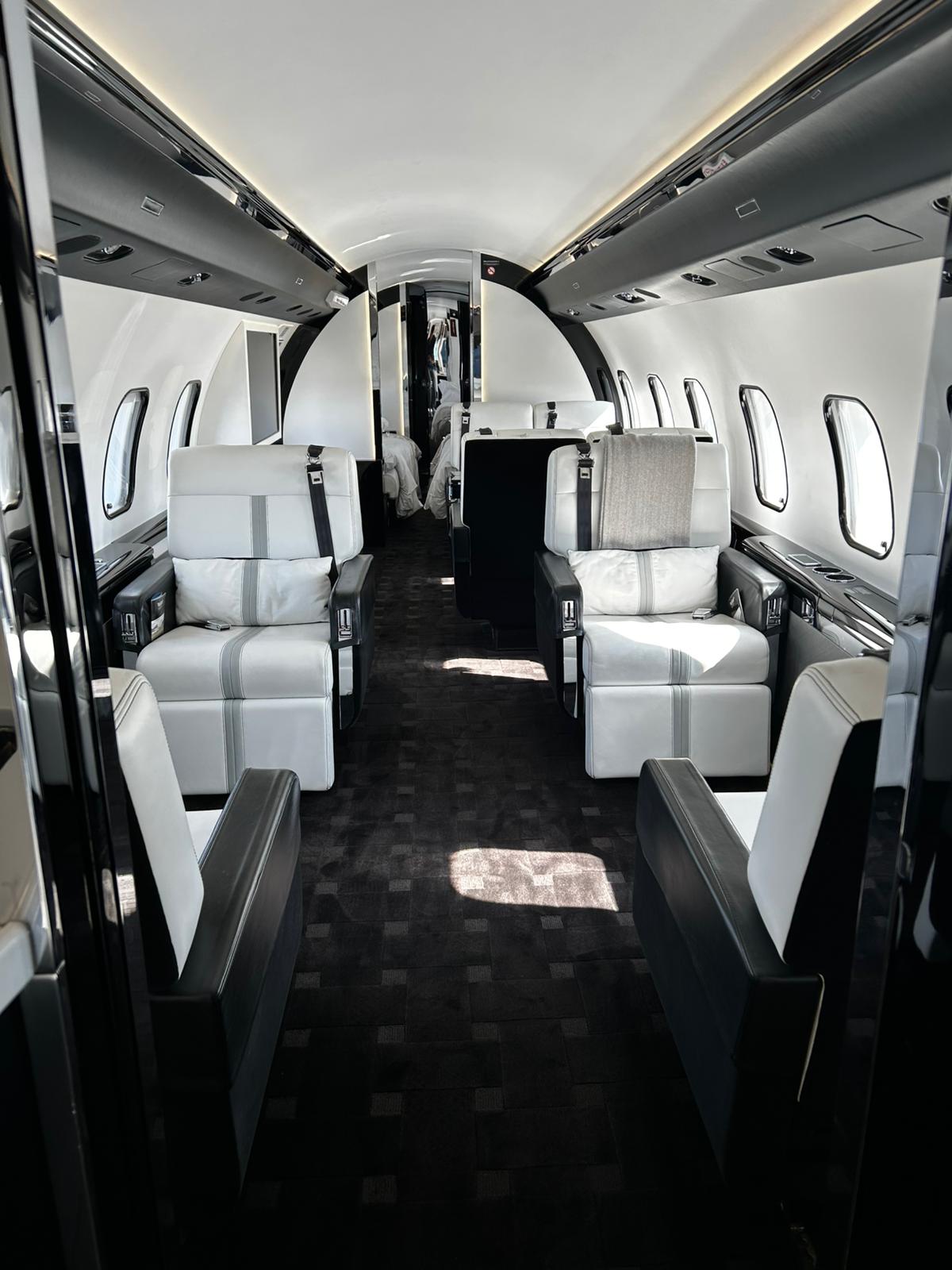
The type of jet you choose is one of the biggest factors in your charter price. A light jet for a quick regional trip will naturally cost less than a heavy jet designed for international travel. Hourly rates can range from around $2,000 for a smaller aircraft to over $14,000 for a larger, more luxurious one. The price reflects not just the size but also the aircraft’s age, amenities, and performance capabilities. When you explore a diverse fleet of jets, you can find the perfect balance of comfort, range, and cost for your specific journey.
Flight Distance
It makes sense that the farther you fly, the more your trip will cost. Longer flights mean more fuel, more time for the crew, and potentially higher landing fees. The total distance, your destination, and the duration of your trip all play a role in the final quote. A short hop from New York to Boston will have a very different price structure than a transatlantic flight to London. Your private jet rental costs are calculated based on the specifics of your itinerary, ensuring the price accurately reflects your unique travel plans.
Peak vs. Off-Peak Travel
Just like with commercial airlines, timing is everything. Flying during major holidays, popular events like the Super Bowl, or peak seasons for certain destinations will cost more due to higher demand. If your schedule is flexible, traveling during off-peak times can lead to significant savings. While private travel is a premium experience, being strategic about when you fly can make it more accessible. It’s all about supply and demand, so planning your trip outside of these high-traffic periods is a smart way to manage your budget.
Airport Fees
The airports you use at the beginning and end of your journey also affect the price. Each airport has its own set of fees, which can include landing fees, ramp fees for parking, and handling charges. For flights within the U.S., you’ll also see a 7.5% Federal Excise Tax (FET) on your bill. International trips come with their own set of taxes and per-passenger fees. These costs are typically bundled into your final quote, but it’s good to be aware of them as they are a necessary part of the overall expense.
Fuel Costs
Fuel is a major and often variable component of your charter cost. Prices can fluctuate based on global market conditions, and this is reflected in a fuel surcharge. A larger, heavier jet will consume more fuel per hour than a smaller one, so the aircraft you choose has a direct impact here. For example, fuel alone can add over a thousand dollars to the hourly rate. Your charter provider will calculate this based on the expected flight time and current fuel prices, giving you a clear picture of this expense upfront.
Crew and Service Fees
Your flight crew—the pilots and any cabin attendants—are essential for a safe and comfortable journey, and their costs are part of your charter price. If your trip requires the crew to stay overnight, their accommodation and per diems will be included. Beyond the crew, any special requests you have can also add to the cost. This includes custom catering, ground transportation arrangements, or securing special permits for international flights. When you request a quote, you can specify these needs to get an all-inclusive price for your personalized experience.
How Much Does It Cost to Buy a Private Jet?
For those who fly frequently, moving from chartering to ownership can feel like the next logical step. Owning a private jet offers unparalleled freedom and flexibility, but it comes with a significant initial investment. The purchase price varies dramatically based on the aircraft’s size, range, age, and amenities, so understanding the different categories is the first step in determining if ownership is the right move for you.
The decision to buy a jet is about more than just the sticker price; it’s an investment in your time and lifestyle. It means no more booking calls or adapting to someone else’s schedule—your aircraft is ready when you are. From nimble light jets perfect for regional hops to ultra-long-range aircraft that can circle the globe, there’s a wide spectrum of options. Each class of jet serves a different purpose and comes with its own cost structure, both for the initial purchase and for ongoing operations. Let’s break down the typical costs you can expect for each type of private aircraft.
Light Jets
Light jets are the entry point into private jet ownership, ideal for shorter trips with fewer passengers. They typically seat four to eight people and are perfect for flights under three hours, making them your go-to for quick business meetings in a neighboring state or spontaneous weekend getaways. When it comes to cost, a new private jet can start at around $3.5 million for a very light model. This makes them the most accessible option for individuals or smaller companies looking to invest in their own aircraft. You can browse a wide variety of private jets for sale to get a sense of the current market.
Midsize Jets
Stepping up to a midsize jet gives you more range, a larger cabin, and greater passenger capacity, usually accommodating seven to ten people. These aircraft can comfortably handle cross-country flights and offer more amenities, like a small galley or an enclosed lavatory. The popularity of this category is reflected in the growing market, which is expected to reach nearly $68 billion by 2032. The price for a new midsize jet generally falls between $5 million and $20 million, offering a great balance of comfort, performance, and value for frequent flyers who need a bit more room to stretch out.
Heavy Jets
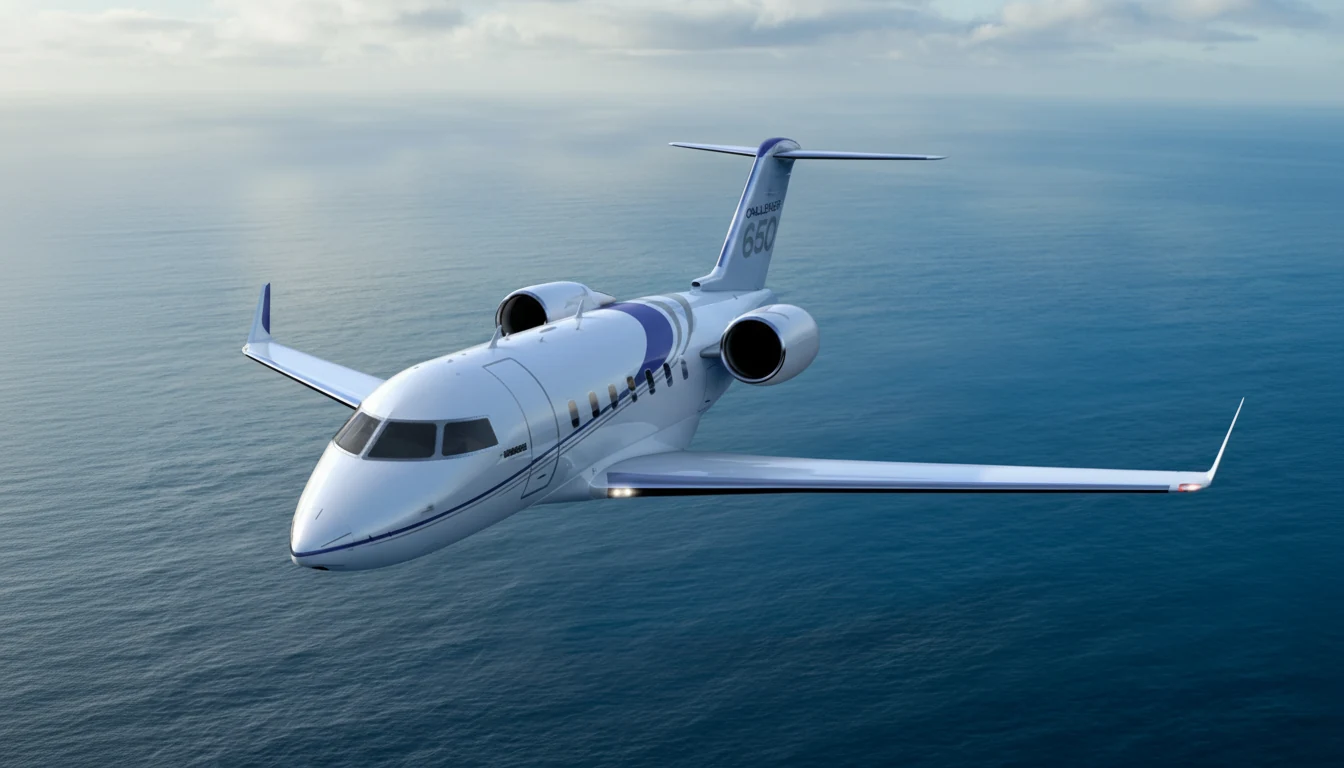
For those who need to travel longer distances with larger groups, heavy jets are the answer. These aircraft are built for intercontinental flights, offering spacious cabins that can be configured with separate areas for working, dining, and relaxing. They can carry 10 to 18 passengers and come with a full suite of luxury amenities. As you’d expect, the investment is more substantial, with prices for new heavy jets typically ranging from $20 million to $70 million. This category is a favorite for large corporations and individuals who regularly conduct business or travel with family across the globe.
Ultra-Long-Range Jets
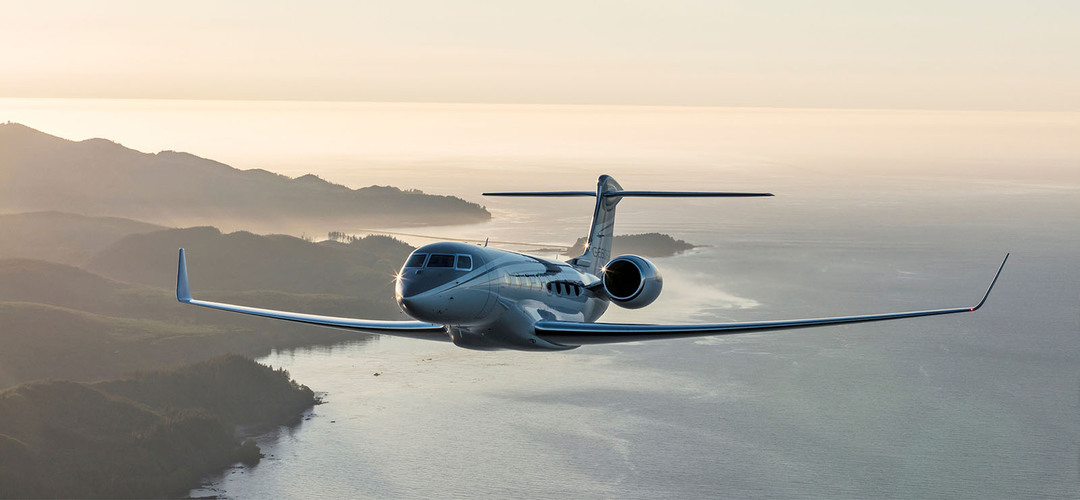
At the very top of the private aviation world are the ultra-long-range jets. These are the largest and most luxurious private aircraft available, designed to connect distant international cities without a single refueling stop. With cabins that can be customized to include private bedrooms, showers, and full-service galleys, they represent the pinnacle of private travel. The purchase price reflects this exclusivity, with new models costing upwards of $110 million. For those who require the ultimate in range and luxury, these jets make the world feel just a little bit smaller.
New vs. Pre-Owned Aircraft
One of the biggest decisions you’ll face is whether to buy a new or pre-owned jet. A new aircraft comes with the latest technology, a full manufacturer’s warranty, and a pristine interior. However, the pre-owned market offers incredible value and can make ownership much more attainable. For example, a used Citation X in good condition might cost between $8 million and $12 million, a significant saving compared to a brand-new jet with similar capabilities. Exploring the pre-owned market allows you to get a larger or more capable aircraft for your budget, making it a smart choice for many buyers.
What Does It Really Cost to Own a Jet?
The sticker price of a private jet is just the beginning of the financial commitment. Owning an aircraft is less like buying a car and more like acquiring a complex, flying business that requires constant investment. Beyond the initial purchase, a stream of significant expenses—from maintenance and crew salaries to hangar fees and insurance—determines the true cost of ownership. These recurring costs often surprise new owners and can easily run into the millions each year.
Before you buy a jet, it’s crucial to understand the full financial picture. While ownership offers unparalleled freedom and flexibility, it comes with responsibilities that go far beyond the initial transaction. Chartering, on the other hand, provides all the benefits of private travel without the heavy financial and logistical burdens of owning the asset yourself. Let’s break down the major expenses you can expect as a private jet owner.
Annual Operating Expenses
Think of the purchase price as the entry fee; the annual operating expenses are what keep your jet in the air. These costs cover everything from fuel and engine maintenance programs to navigation chart updates and catering. For a midsize jet, these expenses can easily range from $1 million to over $2 million per year. The final figure depends heavily on how much you fly, the age of the aircraft, and the regions you travel to. These are not optional expenses but fundamental requirements to keep the aircraft safe, compliant, and ready for takeoff at a moment’s notice.
Maintenance and Upkeep
Keeping a sophisticated machine like a private jet in perfect, airworthy condition is a non-negotiable, and it comes with a significant price tag. Aviation authorities mandate strict maintenance schedules. Major inspections, which can happen every 12 to 24 months, can cost hundreds of thousands of dollars alone. Beyond these planned check-ups, unexpected repairs are always a possibility. Replacing a single high-performance component can be incredibly expensive. These maintenance costs are essential for ensuring the safety and longevity of your investment.
Staff and Crew Salaries
A private jet requires a dedicated team of professionals to operate it safely and efficiently. At a minimum, you’ll need to hire two qualified pilots. Their salaries are a major component of your annual budget, reflecting their extensive training and expertise. Depending on the size of your jet and your desired service level, you may also need a flight attendant and a maintenance manager. Factoring in salaries, benefits, and ongoing training for your crew is a critical part of calculating the total cost of ownership and ensuring a seamless travel experience.
Insurance and Hangar Fees
Protecting your multi-million dollar asset is essential, which means comprehensive insurance is a must. Aviation insurance is a specialized field, and policies can be complex and costly, covering liability and physical damage to the aircraft. You also need a place to store your jet. Hangar fees protect your aircraft from the elements and provide security, but they add another recurring expense. Depending on the airport’s location and the facility’s quality, these fees can range from a few thousand dollars a month to over $1,500 per day in high-demand areas or cold climates.
Depreciation
While a private jet is a significant asset, it’s one that typically loses value over time. Depreciation is a major hidden cost of ownership. A new aircraft can lose a substantial percentage of its value in the first few years alone. While the pre-owned market can offer a lower entry price, all jets depreciate. This gradual loss in value impacts your net worth and the aircraft’s eventual resale price. Understanding an aircraft’s specific depreciation curve is key to making a sound financial decision.
Environmental Compliance
The environmental impact of private aviation is under increasing scrutiny. In recent years, private jets have accounted for a growing share of aviation’s carbon emissions, with the industry contributing millions of tons of CO2 annually. This has led to new regulations and a push for more sustainable practices. As an owner, you may face future costs related to carbon offsetting programs, sustainable aviation fuel (SAF) mandates, or environmental taxes. Staying ahead of these changes is becoming an important part of managing the long-term operational costs of a private jet.
Comparing Private Aviation Providers
Choosing a private aviation provider is a lot like choosing a car—the best one really depends on how you plan to use it. Are you a frequent flyer who needs guaranteed availability, or do you fly a few times a year for special occasions? Each company offers a different model, from on-demand charters to fractional ownership and memberships. Let’s look at some of the top players in the industry to see how they stack up and help you find the perfect fit for your travel style.
Haute Jets
Haute Jets is all about the luxury on-demand experience. Instead of memberships or fractional ownership, you simply charter a flight when you need one. This model is perfect for travelers who prioritize comfort, exclusivity, and highly personalized service without the long-term commitment. The focus is on creating a seamless, high-end journey tailored to your specific needs for each trip, from the in-flight amenities to the ground transportation. If you value flexibility and a premium experience on your own schedule, this is an excellent choice.
NetJets
As a leader in fractional ownership, NetJets offers a model that’s ideal for frequent flyers. Think of it as a timeshare for a private jet—you purchase a share of a specific aircraft, which guarantees you a certain number of flight hours per year. This approach provides many of the benefits of whole aircraft ownership, like consistent quality and availability, but without the sole responsibility of managing the jet. It’s a cost-effective solution for those who fly often enough to justify the investment but don’t want to purchase an aircraft outright.
Flexjet
Similar to NetJets, Flexjet specializes in fractional ownership but also offers premium leasing programs. This gives you another option for accessing their diverse fleet without the capital investment of purchasing a share. Their fleet includes everything from light jets for short hops to large, long-range aircraft for international travel. This makes them a versatile choice for both business and leisure travelers who need different types of aircraft for various trips and appreciate having multiple ways to access the fleet.
VistaJet
VistaJet operates on a unique subscription model. Instead of buying a share of a jet, clients purchase flight hours in advance through a membership program. This guarantees access to their global fleet of silver and red jets, often with as little as 24 hours’ notice. This model is designed for travelers who need guaranteed availability anywhere in the world without the complexities of ownership. It’s a straightforward approach that combines the convenience of on-demand charter with the reliability of a dedicated fleet.
Wheels Up
Wheels Up uses a membership-based model to provide on-demand private jet services. Members pay an initiation fee and annual dues to gain access to a closed fleet of aircraft at fixed hourly rates. They are well-known for their user-friendly app, which makes booking a flight a simple and seamless process. This model is great for individuals and businesses who want predictable pricing and the ability to book flights easily, combining the flexibility of charter with the consistency of a membership program.
XO
By blending on-demand charter services with membership benefits, XO offers a modern, tech-forward approach to private aviation. You can book flights instantly through their app, either by chartering an entire jet or by purchasing individual seats on shared flights. This flexibility makes private travel more accessible. XO emphasizes transparency in its pricing and availability, which appeals to travelers who appreciate having clear, upfront information when booking their flights.
Air Partner
With a long-standing reputation, Air Partner offers a comprehensive range of services, including on-demand charter flights and a flexible JetCard program. The JetCard allows you to pre-purchase flight hours with guaranteed availability and fixed rates, giving you predictability and convenience. Known for their global reach and unwavering commitment to safety and service, Air Partner is a trusted choice for those who need reliable and versatile private travel solutions, whether for a single trip or for ongoing travel needs.
Magellan Jets
Magellan Jets stands out for its highly personalized, consultative approach to private aviation. They work closely with clients to create tailored solutions, whether that’s through on-demand charters, jet cards, or aircraft acquisition consulting. Their focus is on providing exceptional customer service and flexibility to meet the unique needs of both individuals and corporations. If you’re looking for a provider that acts more like a personal flight department, Magellan’s high-touch service model is designed to deliver just that.
How to Fly Private for Less
Flying private is the pinnacle of luxury and convenience, but that doesn’t mean you can’t be smart about the cost. While it’s an investment, there are several practical strategies you can use to make your private travel more economical without sacrificing the experience. It’s all about understanding the options available and knowing where to find the best value for your specific travel needs.
Whether you’re planning a family getaway, a corporate retreat, or a solo trip, a few key approaches can significantly impact the final price. From sharing the cost with fellow passengers to taking advantage of unique flight opportunities, you have more control over the budget than you might think. By being strategic and flexible, you can enjoy all the benefits of private aviation—the privacy, the speed, the bespoke service—while making a financially savvy decision. Let’s look at some of the most effective ways to fly private for less.
Chartering as a Group
One of the most straightforward ways to reduce the per-person cost of a private flight is to travel with others. When you charter a private jet, you’re paying for the entire aircraft, not just a single seat. By splitting the total cost among family members, friends, or business colleagues, the price becomes much more manageable for everyone involved. This approach allows your group to enjoy the exclusive, comfortable environment of a private jet together, turning the journey itself into a memorable part of the experience. It’s an ideal solution for corporate trips, special family occasions, or group vacations.
Finding Empty Leg Deals
If your travel schedule has some wiggle room, you can find incredible value with empty leg flights. These are one-way flights that a private jet makes to return to its home base or to pick up passengers for its next charter. Since the jet would otherwise be flying empty, these trips are offered at a substantial discount—often up to 75% off the standard charter price. You can check for available empty leg flights that match your desired route and timeline. It’s one of the best-kept secrets for accessing private travel at a fraction of the usual cost.
Using a Membership
Many private aviation companies offer jet cards or membership programs that promise lower hourly rates in exchange for a large upfront investment. While this can work for some, it often locks you into a specific provider and a set number of hours, limiting your flexibility. At Haute Jets, we believe in providing exceptional value without the restrictive commitments of a membership. Our on-demand charter model ensures you get competitive private jet rental costs tailored to each specific trip. This way, you only pay for what you need, when you need it, giving you the freedom to choose the best aircraft and itinerary every time you fly.
Traveling Flexibly
Flexibility is your best friend when it comes to saving on private jet travel. Just like with commercial airlines, flying during off-peak times can lead to better pricing. If you can avoid major holidays or peak travel days (like Fridays and Sundays), you’ll often find more availability and lower rates. Being open to departing a day earlier or later, or using a nearby alternative airport, can also unlock significant savings. When you request a quote, it’s always a good idea to mention any flexibility in your travel dates or times. Our team can then find the most cost-effective options for your journey.
Exploring Tax Benefits
For business travelers, private jet charters can offer more than just convenience—they can also come with potential tax advantages. If your travel is for business purposes, the cost of the charter may be considered a deductible business expense. This can help offset a portion of the overall cost, making it a more financially sound choice for corporate travel. The rules can be complex and vary based on your specific circumstances, so it’s always best to consult with a tax professional to understand the benefits you may be eligible for. This simple step can make a big difference to your company’s bottom line.
How to Choose the Right Private Aviation Option
Finding the perfect way to fly private is less about finding a single “best” option and more about finding the right fit for your specific needs. The private aviation landscape has expanded significantly, with more people choosing this mode of travel than ever before. This growth means you have more choices, from on-demand charters to fractional ownership and jet cards. The key is to match the service model to your travel frequency, budget, and desired level of flexibility.
Think of it like choosing a car. You wouldn’t buy a sports car if you need to drive your family of five around town, and you wouldn’t lease a minivan for an occasional weekend drive. Similarly, if you fly a few times a year for business or leisure, an on-demand charter flight offers unparalleled freedom without the hefty financial commitment of ownership. If you’re in the air every other week, a more structured program might be worth considering. This section will walk you through the essential factors to consider, helping you make an informed decision that aligns with your lifestyle and financial goals.
Define Your Travel Needs
Before you even look at aircraft or pricing models, start with a clear picture of your travel habits. How often do you plan to fly? Are your trips typically short domestic hops or long-haul international journeys? Consider who you usually travel with—is it just you and a colleague, or your entire family? Answering these questions will help you narrow down the type of aircraft and service you need. The demand for private flights has grown, and there are now more business jet operations than ever, meaning the industry is well-equipped to handle a wide variety of travel profiles. Be realistic about your needs to avoid paying for more plane or more flight hours than you’ll actually use.
Review Contract Terms
Once you start exploring providers, pay close attention to the fine print. Contracts for jet cards, memberships, and fractional ownership can be complex, so it’s crucial to understand every detail. Look for information on peak travel day restrictions, fuel surcharges, and maintenance fees. Cancellation policies are particularly important, as many private jet rentals have strict rules. It’s not uncommon to see fees of 50% for cancellations within two weeks and 100% within a few days of the flight. On-demand charters often have more straightforward agreements, but you should still confirm what’s included in your quote to avoid any surprises.
Compare Different Cost Models
The cost of flying private can vary dramatically depending on the model you choose. On-demand charters are typically priced by the hour, with rates ranging from $2,000 to over $14,000 depending on the aircraft. This pay-as-you-go approach is ideal for those who want flexibility without a long-term commitment. Jet cards require a large upfront payment for a set number of flight hours, while fractional ownership involves buying a share of an aircraft. Each model has its own pricing structure, so compare them against your travel needs. If you fly less than 50 hours per year, on-demand chartering is almost always the most cost-effective choice.
Prioritize Safety Records
Safety should always be your top priority. Reputable charter operators are transparent about their safety standards and certifications. At a minimum, ensure any provider you consider is approved by the Federal Aviation Administration (FAA). For an even higher standard of safety, look for third-party ratings from organizations like Wyvern Wingman and ARGUS Platinum. These audits are rigorous and serve as a trusted benchmark for operational safety and maintenance practices. Don’t hesitate to ask a potential provider for their safety ratings and the credentials of their flight crews. A trustworthy company will be proud to share this information with you.
Plan Your Long-Term Finances
Flying private is a significant investment, whether you’re chartering for a single trip or considering ownership. While the allure of owning a jet is strong, the financial reality is staggering. The annual operating costs for a pre-owned jet can easily exceed $1 million, covering everything from maintenance and crew salaries to insurance and hangar fees. Before you buy a jet, carefully assess your long-term financial plan. For most travelers, the flexibility and predictable costs of on-demand chartering provide all the benefits of private flight without the immense financial and logistical burdens that come with owning an aircraft.
How Market Trends Impact Private Jet Costs
The price of flying private isn’t set in stone; it moves with the currents of the global market. Understanding these trends can help you make smarter decisions about when and how you fly. From industry-wide growth to the simple economics of supply and demand, several key factors influence the final cost of your charter. These external forces shape everything from hourly rates to the availability of certain aircraft, making it helpful to have a grasp on the bigger picture before you book.
Industry Growth
The private aviation industry is on an upward trajectory. Projections show the business jet market is expected to reach nearly $42 billion by 2030, driven by steady growth. For you as a traveler, this expansion is great news. A growing market means more aircraft are entering the global fleet, which increases competition among charter companies and encourages innovation in service and technology. While high demand can sometimes put pressure on pricing, the overall trend points toward more options and better experiences for discerning flyers. This growth ensures that the industry continues to evolve, offering more efficient and luxurious ways to travel.
Supply and Demand
Like any market, private aviation is governed by the fundamental principle of supply and demand. The demand for private flights has seen a significant rebound, with more business jet operations today than before 2020. When demand is high—think major holidays or global events like the Super Bowl or Art Basel—and the supply of available jets is limited, charter prices will naturally increase. Conversely, during slower periods or on less popular routes, you have more leverage. This is also where you can find incredible value on empty leg flights, which are offered at a discount to reposition an aircraft for its next scheduled trip.
New Technology
Innovation is constantly reshaping the private jet industry, and it has a direct impact on cost. Advancements in aircraft design, more fuel-efficient engines, and the development of Sustainable Aviation Fuel (SAF) are all helping to reduce long-term operating expenses. While integrating new technology requires significant initial investment—the jet market is expected to grow to over $67 billion by 2032—the resulting efficiencies can lead to more stable and predictable charter pricing over time. These technological leaps not only make flying more economical but also contribute to a more sustainable future for aviation, which is a win-win for everyone.
Regulatory Changes
The cost of flying private is also influenced by a web of regulations that can change from country to country. Government policies on fuel taxes, carbon emissions, airport landing fees, and international travel can all add to the operational costs of a flight. For example, new environmental mandates might require costly aircraft upgrades or the use of more expensive sustainable fuels. On the other hand, economic shifts can also work in your favor. During periods of economic uncertainty, a rise in the inventory of pre-owned jets can sometimes lead to more competitive pricing across the board as supply temporarily outpaces demand.
Related Articles
- How Much Does a Private Jet Cost? A Breakdown of Expenses – Haute Jets
- How Much Do Private Jets Cost? A Complete Guide – Haute Jets
- Costs of Owning vs. Chartering Private Jets: Cost Comparison | Haute Jets
Frequently Asked Questions
What’s the difference between on-demand charter and a jet card? Think of an on-demand charter as a pay-as-you-go service. You book a specific jet for a specific trip, and that’s all you pay for. A jet card, on the other hand, is more like a prepaid debit card for flying. You purchase a block of flight hours upfront at a fixed rate. While jet cards offer predictable pricing, they require a significant initial investment and can come with restrictions. On-demand charter gives you the freedom to choose the perfect aircraft for each trip without any long-term financial commitment.
Are empty leg flights really a good deal, or is there a catch? Empty leg flights are absolutely a fantastic deal, but the key is flexibility. These are one-way flights that operators need to make to position an aircraft for its next paid trip. Because the plane has to fly that route anyway, you can book it for a fraction of the typical cost. The only “catch” is that you have to align your travel plans with the jet’s predetermined schedule and destination. If your dates are open, it’s one of the smartest ways to experience private travel.
Besides the hourly rate, what other costs should I expect on my charter quote? A transparent charter quote should be all-inclusive, meaning the price you see is the price you pay. The hourly rate is the biggest component, but the final cost also includes airport landing and handling fees, fuel surcharges, any applicable taxes, and compensation for the flight crew. If your trip requires an overnight stay for the crew or you request special catering, those costs will be factored in as well. A reputable provider will break this down for you so there are no surprises.
Is it cheaper to own a jet if I fly frequently? While it might seem logical, owning a jet is rarely the more economical choice, even for frequent flyers. The purchase price is only the beginning. You also have to cover substantial annual operating costs, which include maintenance, crew salaries, insurance, and hangar fees—often totaling over a million dollars a year. When you add in the fact that jets lose value over time, chartering remains the more financially sound decision for the vast majority of travelers. It gives you all the benefits of ownership without the immense financial burden.
How can I make sure I’m choosing the right size jet for my trip? Choosing the right jet comes down to three main factors: how many people are traveling, how far you’re going, and your budget. A light jet is perfect for a small group on a short regional flight, while a midsize jet offers more comfort and range for cross-country travel. For international trips with a larger party, a heavy jet is necessary. The best approach is to discuss your specific itinerary with your charter provider. They can recommend the most efficient and comfortable aircraft for your mission.