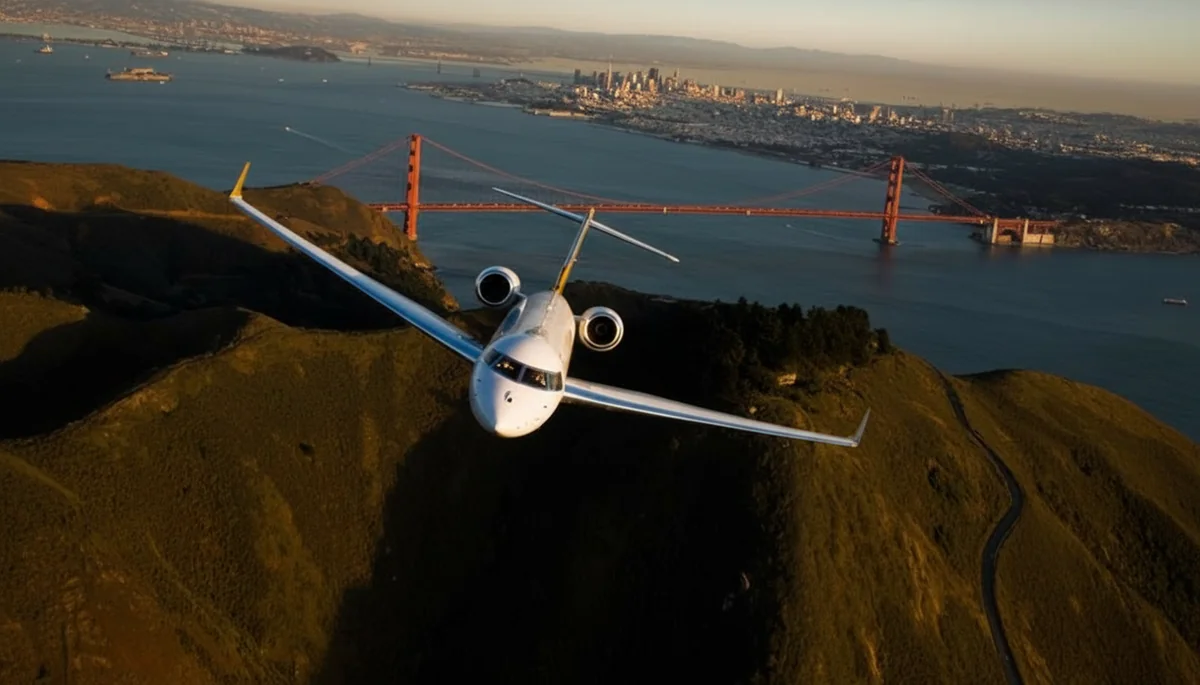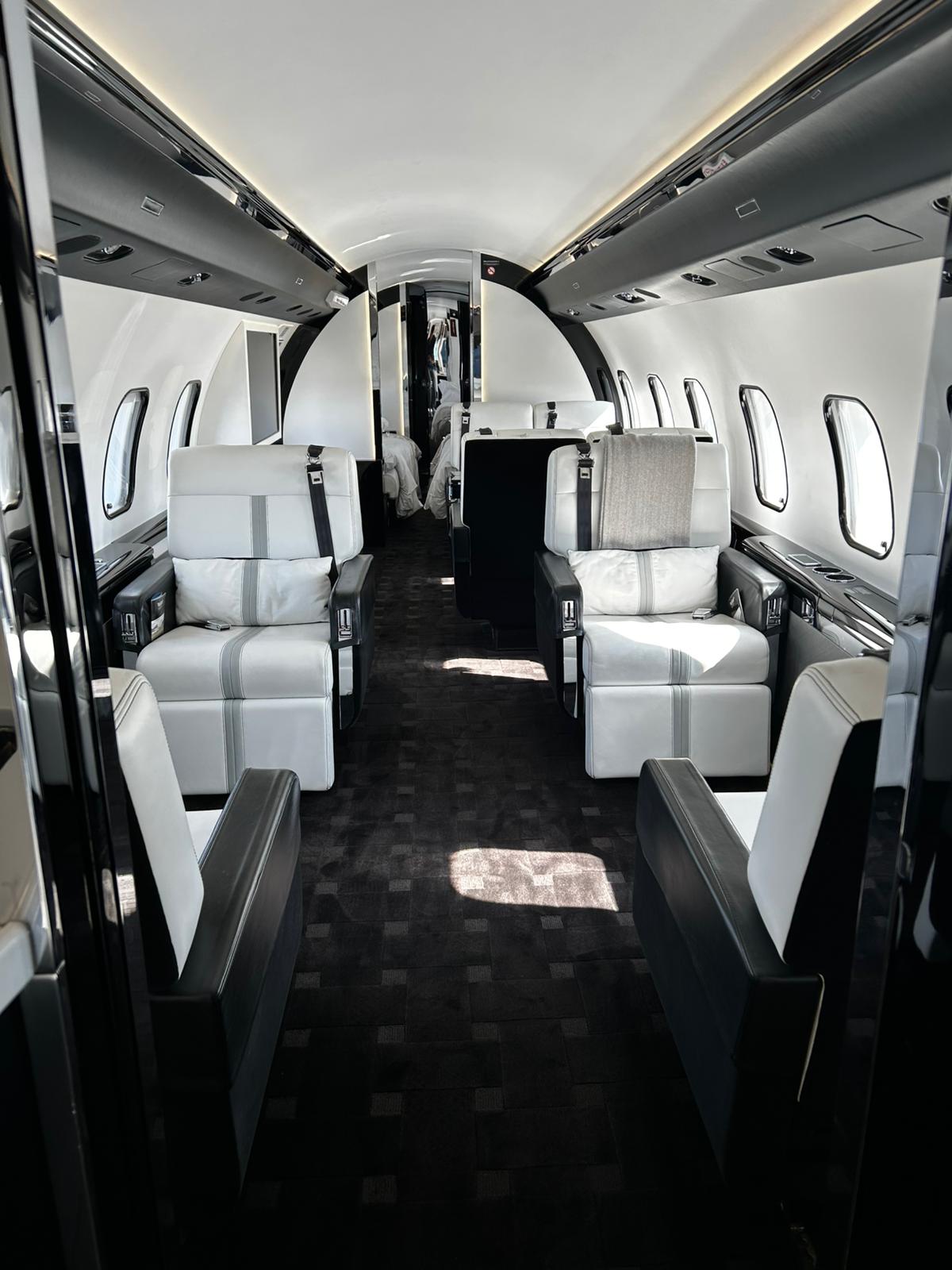
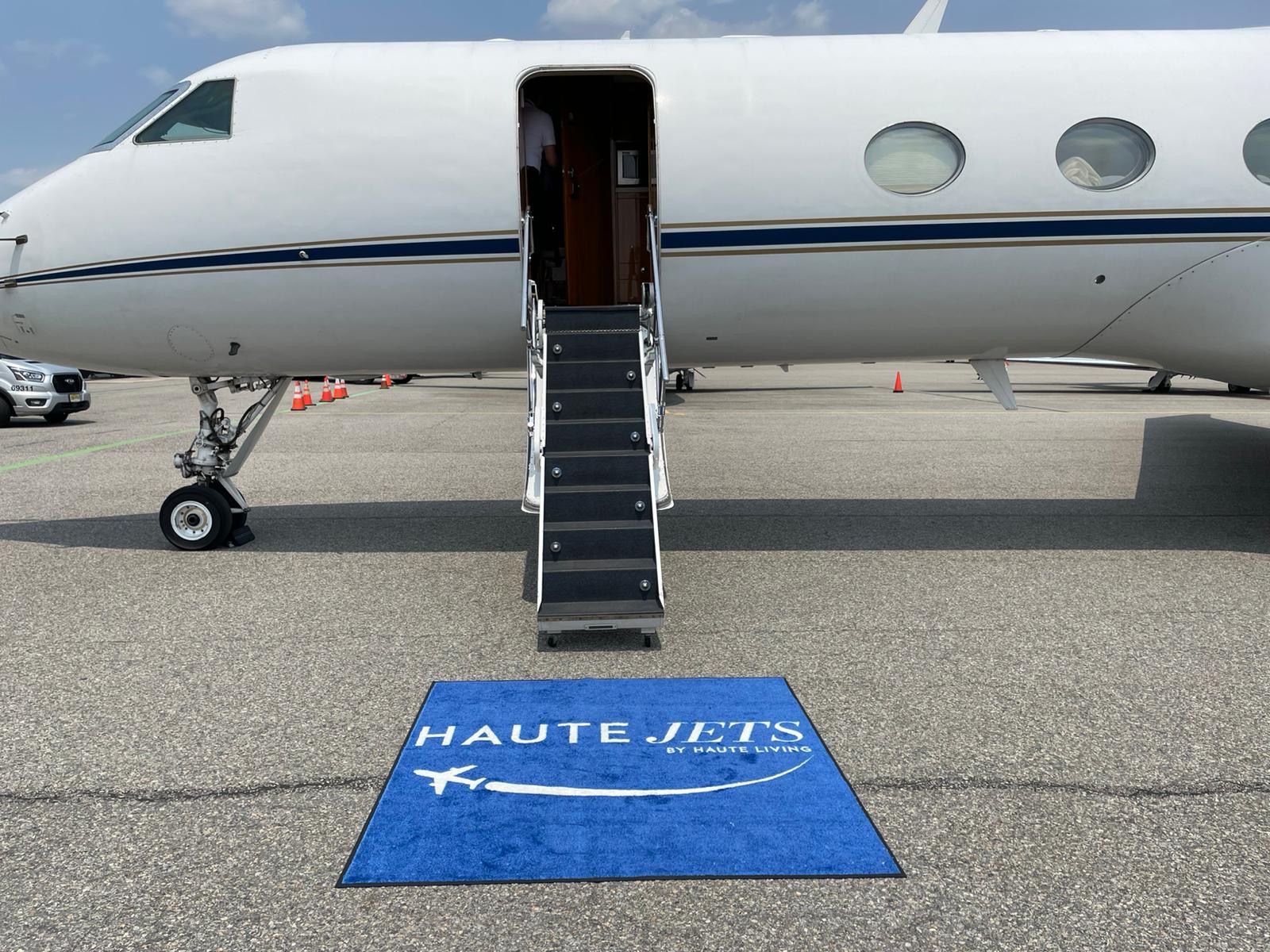
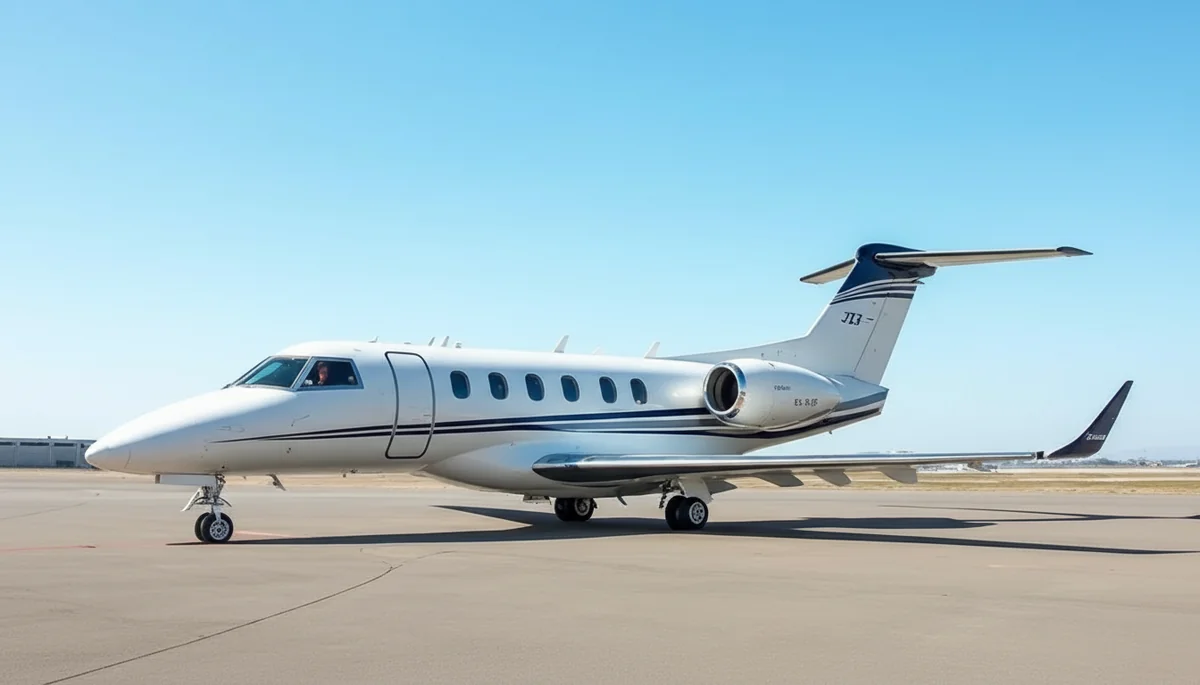
Private airplane interior. Leather seats, wood accents. Private jet price considerations.

Private Airplane Price: Ownership vs. Charter Costs

The allure of private aviation—skipping the lines, setting your own schedule, traveling in complete comfort—is undeniable. But for a long time, that experience seemed exclusively tied to the immense financial burden of owning an aircraft. Thankfully, that’s no longer the case. You can enjoy all the benefits of a private jet without ever having to worry about the complexities of ownership. This article is for anyone who values the freedom of private flight but prefers a smarter, more flexible approach. We’ll explore the modern alternatives to buying, from jet cards to fractional ownership, and show you why on-demand chartering is often the most cost-effective solution. You don’t need to shoulder a multi-million dollar private airplane price to get the full experience; you just need to know your options.

Key Takeaways

  • Chartering Offers Flexibility Without the Financial Burden: For anyone flying less than 150 hours a year, chartering is the most cost-effective option. It provides all the benefits of private travel without the multi-million dollar investment and ongoing costs of maintenance, crew, and storage associated with ownership.
  • Select the Right Aircraft for Every Trip: The best private flight experience comes from choosing a jet that fits your specific journey. On-demand chartering gives you the freedom to select a small, efficient jet for a short business trip or a spacious, long-range aircraft for an international family vacation.
  • Understand the Key Factors That Determine Price: The final cost of a charter flight is a combination of several variables. The aircraft’s size, flight distance, airport locations, and crew layover time all influence the price, which is why getting a detailed, transparent quote is essential for clear budgeting.

What Are the Main Private Jet Categories?

Thinking about flying private can feel like stepping into a whole new world, and the aircraft are at the heart of it. Private jets aren’t a one-size-fits-all solution; they’re categorized by size, range, and capability, each designed for a different type of travel. Understanding these categories is the first step in figuring out what you need, whether you’re looking to charter a flight for a specific trip or considering the long-term commitment of ownership.

From nimble jets perfect for short regional hops to expansive aircraft that can circle the globe, the right choice depends on your destination, the number of passengers, and the amenities you want on board. Exploring the available fleet gives you a real sense of the options. Let’s break down the main categories so you can get a clearer picture of the private aviation landscape and find the jet that fits your travel style perfectly.

Entry-Level and Very Light Jets

Think of very light jets as the sports cars of the sky. They are the most accessible and affordable entry point into private jet ownership, making them a popular choice for first-time buyers and those who take frequent, shorter trips. These jets, like the Cirrus Vision Jet, typically seat four to six passengers and are ideal for flights under three hours. With purchase prices starting around $2 million for some models, they offer a convenient way to hop between nearby cities for a business meeting or a quick weekend getaway, skipping the hassles of commercial airports.

Light and Midsize Jets

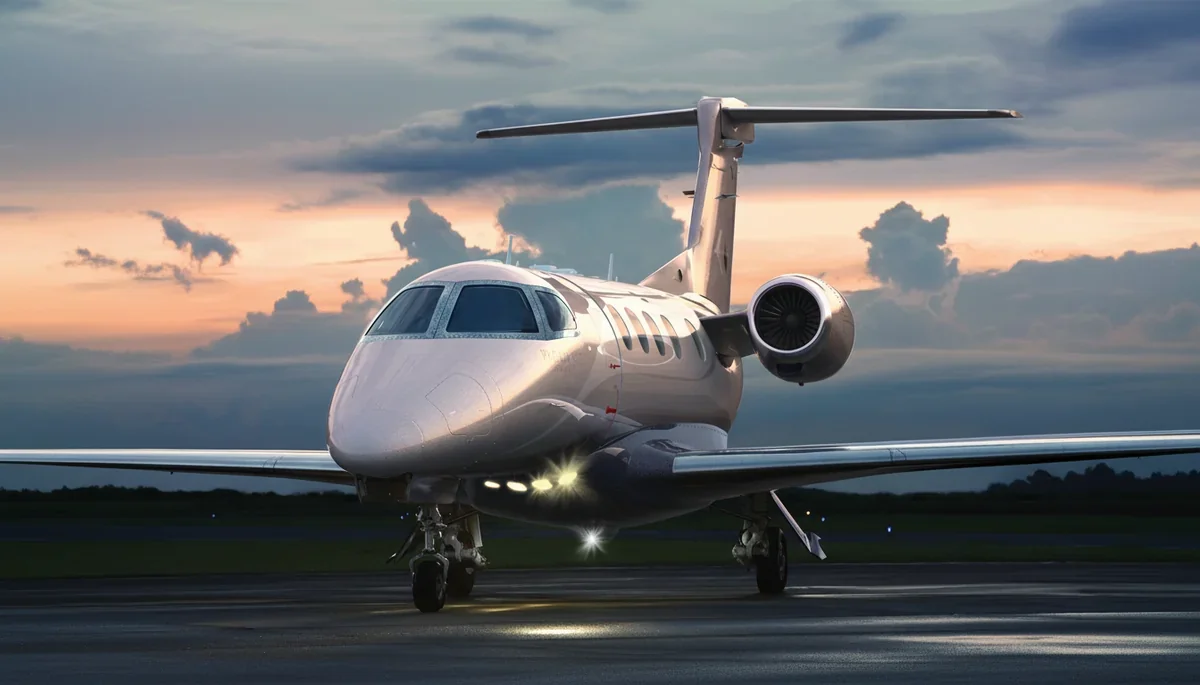
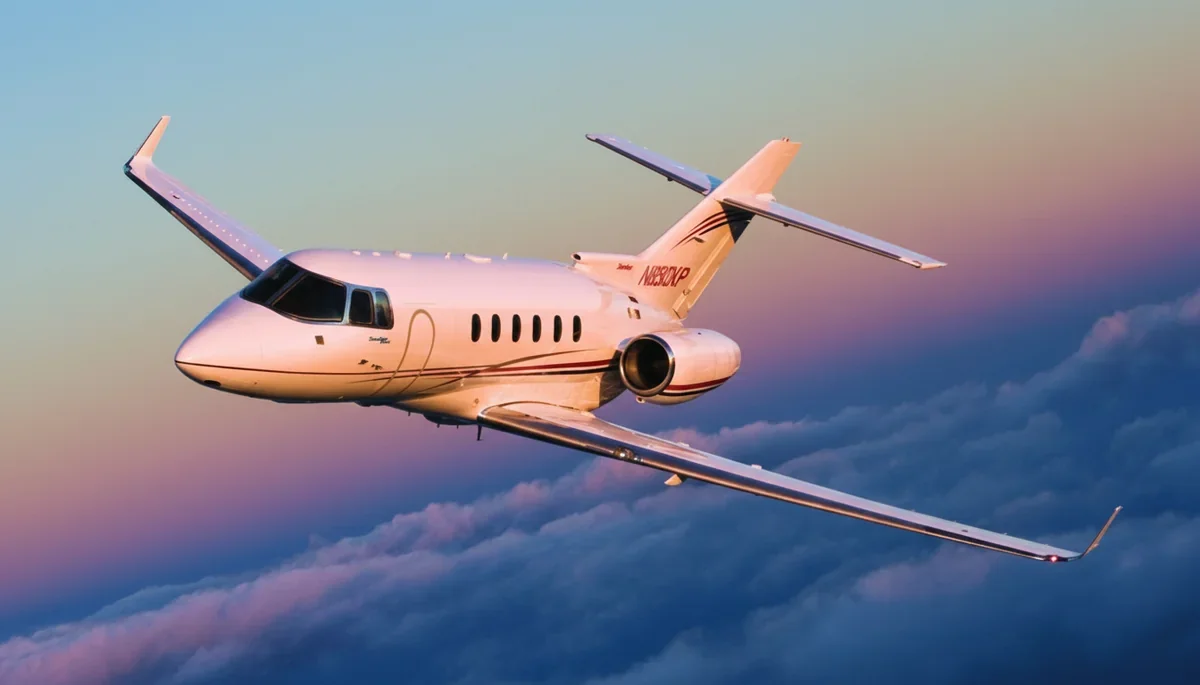
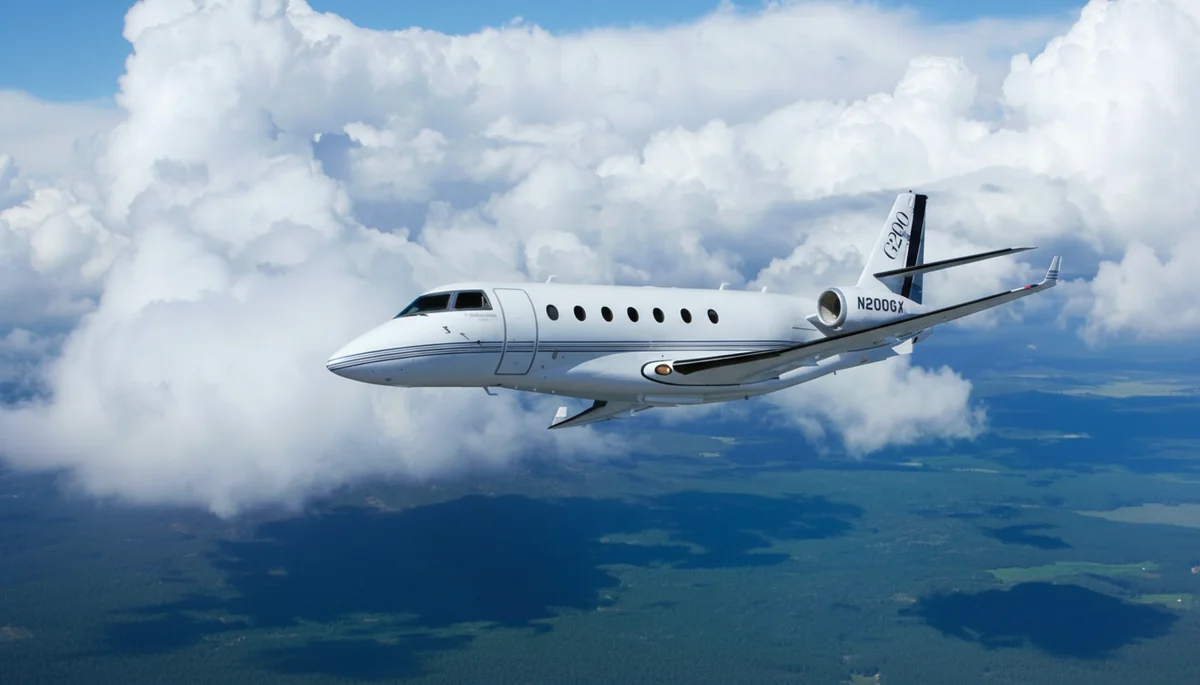
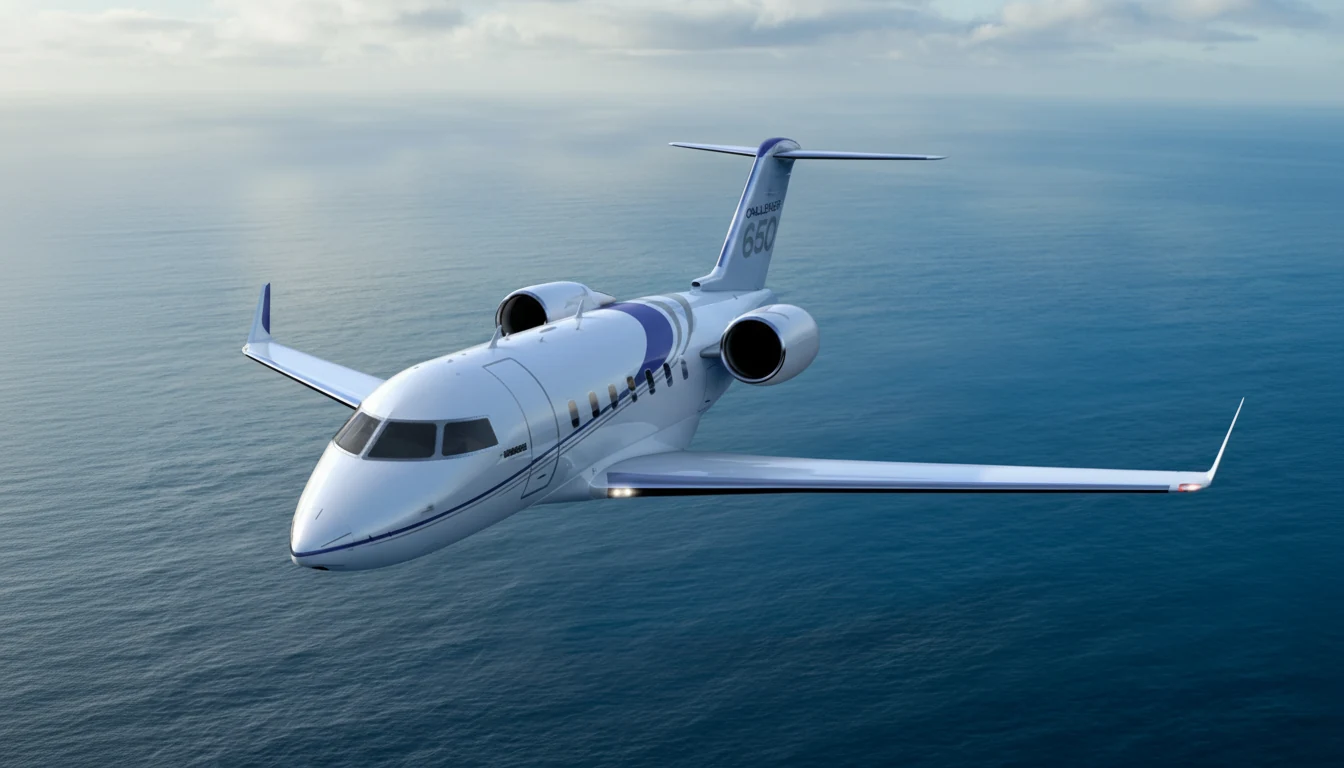
Stepping up a level, light and midsize jets offer more space, a longer range, and greater comfort. This category is incredibly versatile, striking a perfect balance for both business and leisure. Light jets like the Embraer Phenom 300 can cost around $9 million, while midsize options like the Cessna Citation Latitude are priced closer to $25 million. They can comfortably accommodate six to nine passengers and often include amenities like a lavatory and a small galley. Their range makes them perfect for cross-country flights, allowing you to travel coast-to-coast with ease and in style.

Heavy and Ultra-Long-Range Jets

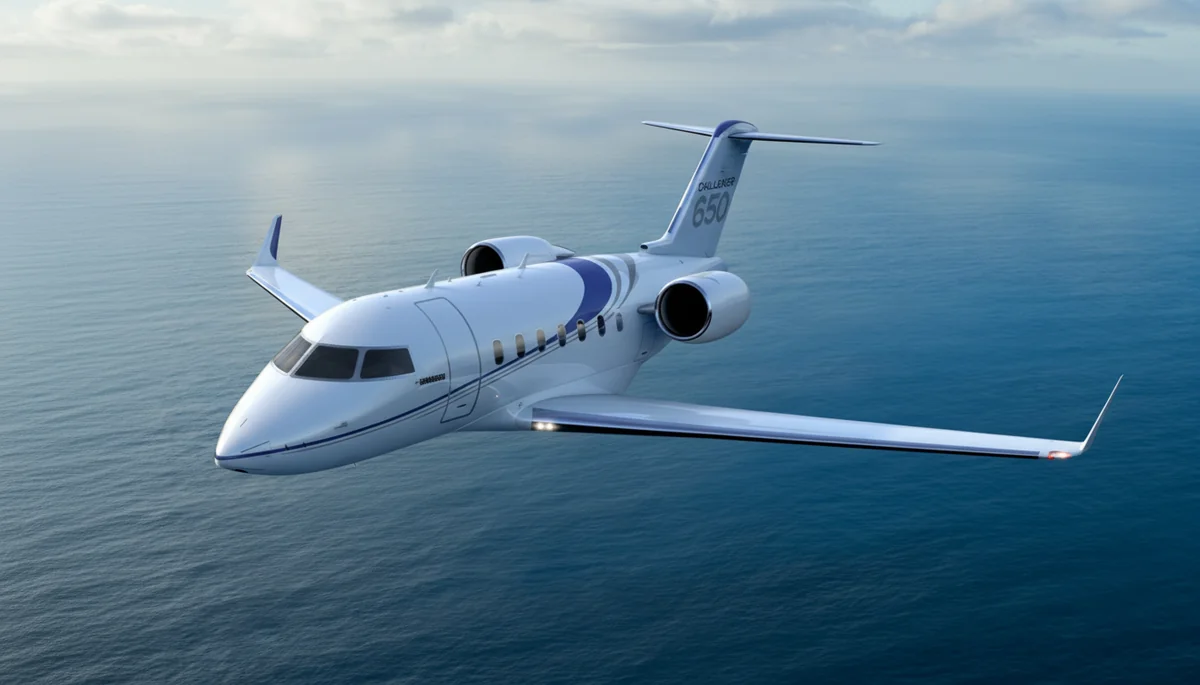
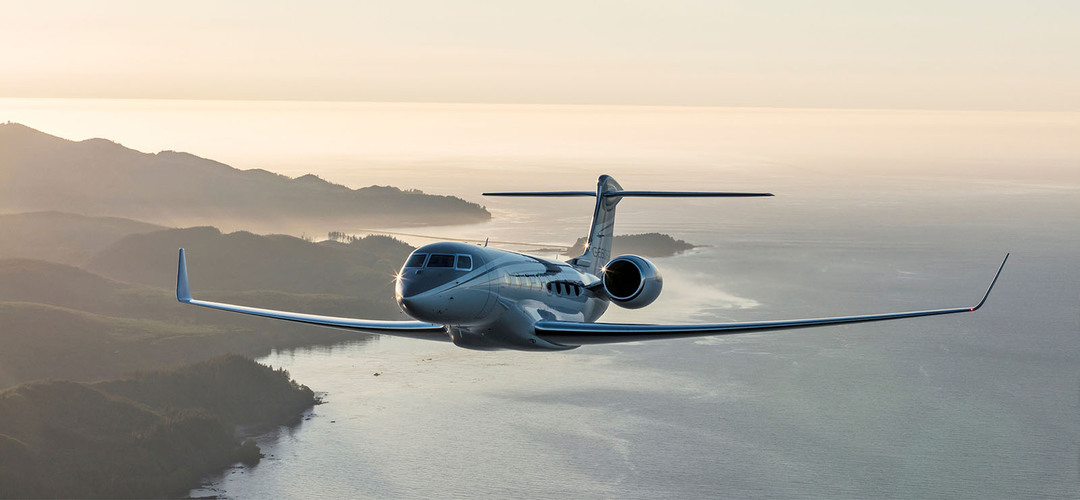
For global travel without limits, heavy and ultra-long-range jets are the gold standard. These aircraft are designed for intercontinental flights, connecting cities like New York and Dubai non-stop. Inside, you’ll find spacious, multi-zone cabins that can be configured with bedrooms, dining areas, and full-service galleys. Aircraft like the Gulfstream G650 or Bombardier Global 7500 represent the pinnacle of luxury and performance, with price tags starting at $65 million and soaring past $80 million for the newest models. These jets are the top choice for international executives, dignitaries, and anyone who needs to travel the world in ultimate comfort.

Converted Airliners

In a class of their own, converted airliners are commercial aircraft, such as a Boeing Business Jet, transformed into private flying palaces. The main advantage here is sheer size and the potential for complete customization. These planes can be outfitted with master suites, boardrooms, showers, and entertainment lounges—whatever the owner can imagine. With a price tag that often exceeds $100 million before the custom interior is even installed, these aircraft are reserved for a select few, including heads of state, corporations, and sports teams who need to transport large groups without sacrificing privacy or luxury.

What Factors Determine a Private Jet’s Price?

Figuring out the price of a private jet flight isn’t as simple as booking a commercial ticket. The final cost is a blend of several key factors that can change from one trip to the next. Think of it less like buying a product off the shelf and more like commissioning a custom service. Everything from the size of the aircraft to the specifics of your itinerary plays a role in the final quote. Understanding these variables helps you see exactly what you’re paying for and how you can tailor your travel to fit your budget. Let’s break down the main components that influence the price of flying private, so you can make the most informed decision for your next journey.

Aircraft Size and Model

The type of jet you choose is the biggest driver of cost. Just like cars, private jets come in various sizes and classes, each with a different price tag. A smaller, very light jet is perfect for short hops and will be the most economical option. As you move up to midsize and heavy jets, the price increases to account for more cabin space, luxurious amenities, and longer range capabilities. The specific aircraft model also matters. A brand-new, top-of-the-line jet will naturally command a higher price than an older, though still perfectly capable, model. Your choice ultimately depends on your passenger count, destination, and desired level of comfort.

Age and Condition

When you’re looking to buy a jet, age and condition are critical pricing factors. A pre-owned aircraft can offer significant savings compared to a factory-new one, with some older jets available for under $2 million. However, the sticker price is only part of the story. The aircraft’s maintenance history, flight hours, and interior condition all heavily influence its value. A well-maintained older jet can be a fantastic investment, but one that requires extensive updates or repairs can quickly add to the overall cost. For chartering, flying with a company that maintains a modern, well-kept fleet ensures you get the best in both safety and comfort, regardless of the aircraft’s age.

Location and Availability

Where your journey begins and ends has a direct impact on the price. If the jet you’ve chartered isn’t based at your departure airport, it has to fly there to pick you up. This is known as a “positioning” or “ferry” flight, and its cost is typically included in your quote. Flying out of a major aviation hub often means more aircraft are available, which can lead to more competitive pricing. Conversely, requesting a jet from a remote location might be more expensive. You can sometimes find great deals by booking empty leg flights, which are positioning flights that you can book at a reduced rate.

Flight Distance and Frequency

It’s no surprise that the length of your trip affects the total cost. Longer flights require more fuel, more flight time for the crew, and potentially higher landing fees at your destination. The duration of your stay also plays a part. If you book a round trip where the aircraft and crew need to wait for you for several days, you’ll have to cover their daily expenses, including hotel accommodations and per diems. For a simple one-way flight, these costs aren’t a factor. Getting a specific charter quote is the best way to see how your unique itinerary shapes the price and get an accurate estimate for your trip.

Hidden Fees and Taxes

A transparent quote is essential because several additional costs can appear on the final bill. It’s important to know what’s included from the start. Common extra charges can include federal excise taxes, international handling fees, and segment fees for each leg of your journey. Depending on the season and location, you might also see charges for de-icing the aircraft in cold weather. Special requests like premium catering or arranging for ground transportation will also add to the total. Always ask for a detailed breakdown to understand the full private jet rental costs and avoid any surprises.

What Does It Really Cost to Own a Private Jet?

The idea of owning a private jet is the ultimate symbol of freedom and luxury. But before you start picturing your name on the side of a Gulfstream, it’s important to understand that the sticker price is just the tip of the iceberg. The true cost of ownership goes far beyond the initial purchase, involving a complex web of ongoing expenses that can quickly add up. From maintenance and crew salaries to hangar fees and insurance, these recurring costs are what truly define the financial commitment of owning an aircraft. Understanding this complete financial picture is the first step in deciding whether ownership is the right path for you, or if a more flexible option like chartering makes more sense. Let’s break down exactly what you can expect to pay when you decide to buy your own jet.

The Initial Purchase Price

The first number you’ll encounter is, of course, the purchase price. This can vary wildly depending on what you’re looking for. A brand-new, very light jet might start around $2 million, while larger, ultra-long-range jets can soar past the $100 million mark. Pre-owned aircraft offer a more accessible entry point, but factors like age, flight hours, and maintenance history will heavily influence the final cost. Whether you’re in the market for a nimble light jet or a spacious global cabin, the initial investment is substantial. If you’re seriously considering this step, exploring options to buy a jet with expert guidance is crucial to finding an aircraft that fits your needs and budget.

Annual Operating Expenses

Once the jet is yours, the spending has only just begun. Annual operating expenses are the ongoing costs required to keep your aircraft flying safely and efficiently. These are not small, incidental fees; they represent a significant, recurring financial commitment that can often reach millions of dollars per year. Think of costs like fuel, engine maintenance programs, navigation chart subscriptions, and catering. These variable and fixed costs are the reality of aircraft ownership. When you start to compare these figures to the straightforward private jet rental costs of chartering, the financial advantages of flying on-demand become much clearer. With chartering, you pay for the flight, not the fleet’s upkeep.

Maintenance and Upkeep

Keeping a private jet in pristine, airworthy condition is a non-negotiable expense. Routine maintenance and mandatory inspections are essential for safety and regulatory compliance, and they come with a hefty price tag. Annually, you can expect to spend anywhere from $500,000 to over $1 million on upkeep, depending on the aircraft’s size and age. This budget covers everything from scheduled inspections and minor repairs to major overhauls of engines and other critical components. These costs ensure your investment is protected and, more importantly, that every flight is as safe as possible. It’s a significant part of the ownership puzzle that requires careful financial planning.

Insurance and Registration

Just like any other major asset, a private jet requires comprehensive insurance. This is a critical expense that protects your investment against damage, liability, and other unforeseen events. The annual premium can vary significantly based on the aircraft’s value, its primary region of operation, and the intended use—whether for personal or commercial flights. You’ll also have to account for registration fees with the relevant aviation authorities. While not as substantial as maintenance or crew costs, insurance and registration are essential line items in your annual budget that ensure you are operating legally and with peace of mind.

Crew Salaries and Training

Your private jet won’t fly itself. A dedicated and professional crew is essential, and their salaries and training are a major operating expense. A typical flight crew includes at least one pilot and a co-pilot, and for larger jets, a flight attendant. Annually, you can budget around $215,000 or more for crew salaries alone. This figure doesn’t even include the costs of recurrent training to keep their skills sharp and compliant with aviation standards, along with benefits, uniforms, and travel expenses. This team is responsible for your safety and comfort, making them an indispensable—and significant—part of your annual operating budget.

Hangar and Storage Fees

When you’re not in the air, your multi-million dollar aircraft needs a home. Storing a jet in a private hangar protects it from weather, sun damage, and security risks. Hangarage fees are a standard part of ownership and can range from $50,000 to $200,000 annually. The exact cost depends on the airport’s location—a major metropolitan hub will be more expensive—and the size of the hangar required for your specific aircraft. This fee ensures your jet is secure and ready for your next departure, but it’s another fixed cost that adds to the total financial weight of ownership.

Factoring in Depreciation

Unlike some high-value assets, a private jet is a depreciating one. From the moment you take ownership, its value begins to decrease. This is a critical financial factor that many prospective buyers overlook. While a well-maintained aircraft holds its value better than others, you should still anticipate a significant drop over time. This is why ownership often makes the most financial sense for those who fly more than 150 hours per year. For everyone else, the combination of high fixed costs and depreciation can make chartering a much smarter choice. When you request a quote for a charter flight, you pay only for your time in the air, avoiding the long-term financial burden of a depreciating asset.

Should You Own or Charter a Private Jet?

Deciding between owning a private jet and chartering one is a major financial and lifestyle choice. There’s no single right answer—it all comes down to your travel needs, budget, and personal preferences. Ownership offers the ultimate in personalization and availability, making the aircraft an extension of your home or office. On the other hand, chartering provides unparalleled flexibility and freedom from the complex responsibilities of aircraft management. Understanding the distinct advantages of each path is the first step toward making the decision that best suits your life. Let’s look at the arguments for both sides to help you determine which option aligns with your goals.

The Case for Owning

Owning a private jet is the pinnacle of travel convenience. It’s your aircraft, available whenever you need it, configured exactly to your tastes. You have complete control over the crew, the schedule, and the onboard experience. For those who fly frequently—typically more than 150 hours per year—ownership can start to make financial sense. The cost per hour begins to level out when you fly often, and the asset itself can offer tax advantages. Beyond the numbers, ownership is about having a personal asset that guarantees a consistent and highly personalized travel environment. If you value having a dedicated flight crew and an aircraft that’s always ready for your spontaneous travel plans, you might consider whether it’s time to buy a jet.

The Case for Chartering

For many travelers, chartering a private jet is the smarter, more flexible option. If you fly less than 150 hours a year, chartering is almost always more cost-effective. You get all the benefits of private aviation—speed, privacy, and luxury—without the hefty financial commitment and logistical burdens of ownership. When you charter, you don’t have to worry about maintenance, crew salaries, insurance, or hangar fees. You simply pay for your trip. This model also gives you the freedom to choose the perfect aircraft for each specific journey. You can select a light jet for a quick business trip or a heavy jet for a long-haul family vacation from a global fleet. On-demand chartering offers a simple, pay-as-you-go approach to luxury travel.

A Side-by-Side Cost Comparison

The financial difference between owning and chartering is significant. The hourly cost to charter a private jet typically ranges from $3,500 to $18,000, depending on the aircraft size and route. This price is largely all-inclusive for your specific flight. In contrast, owning a jet involves a multi-million dollar upfront purchase, followed by annual operating costs that can easily exceed a million dollars. These recurring expenses cover everything from maintenance and inspections to crew salaries and hangar space. While ownership offers predictability, chartering provides clear, trip-by-trip costs without the long-term financial weight of asset management. Understanding the full scope of private jet rental costs helps clarify why so many prefer the simplicity of chartering.

How to Choose What’s Right for You

To find your answer, start by looking at your travel patterns. How many hours do you realistically expect to fly each year? Is your schedule predictable, or do you need the flexibility to accommodate changing plans and passenger numbers? If you fly hundreds of hours annually on similar routes, ownership might be a practical choice. However, if your travel is more sporadic or your needs vary from trip to trip, chartering offers a more logical and efficient solution. Consider whether you want to take on the role of an aircraft owner, with all its associated responsibilities, or if you’d rather enjoy the luxury of private flight without the operational complexities. For most, the freedom and financial sense of on-demand chartering is the clear winner.

How to Fly Private Without Buying a Jet

The dream of flying private doesn’t have to come with the multi-million dollar price tag of ownership. In fact, for many travelers, owning a jet isn’t the most practical or financially sound choice. Thankfully, there are several excellent alternatives that give you all the luxury, convenience, and privacy of your own aircraft without the hefty commitment. Whether you fly a few times a year or a few times a month, there’s a flexible solution that fits your travel style. From sharing ownership to booking on-demand, let’s explore the smartest ways to access the world of private aviation.

Fractional Ownership

Think of fractional ownership as a timeshare for a private jet. Instead of buying the entire aircraft, you purchase a share, which entitles you to a certain number of flight hours per year. This model gives you the perks of ownership—like access to a consistent, high-quality aircraft—at a fraction of the cost. It’s a popular choice for individuals and companies that fly often enough to justify a capital investment but don’t need a plane at their disposal 24/7. You’ll still be responsible for monthly management fees and other variable costs, but you avoid the full financial weight and logistical challenges of sole ownership.

Jet Cards and Memberships

Jet cards and memberships are like subscription services for private flights. With a jet card, you prepay for a set number of flight hours (usually 25) on a specific jet category at a fixed hourly rate. This makes budgeting for travel simple and predictable. Memberships work similarly but often involve a recurring annual or monthly fee in exchange for access to a fleet of aircraft, sometimes with special perks or capped rates. While these programs offer convenience, they lock you into a single provider and require a significant upfront payment or ongoing commitment, which isn’t ideal for everyone.

On-Demand Charter Services

If you value flexibility and want to avoid long-term commitments, on-demand chartering is the perfect fit. This is the most straightforward way to fly private: you simply book a jet when you need one. There are no hefty upfront investments, membership fees, or jet cards to purchase. You pay for your trip, and that’s it. This model gives you the freedom to choose the ideal aircraft for each specific journey from a vast global fleet. For anyone flying less than 400 hours per year, on-demand charter flights are almost always the most economical and practical way to travel privately.

Empty Leg Flights

For the spontaneous traveler, empty leg flights are an incredible opportunity. An “empty leg” is a one-way flight that a private jet makes without passengers, either to return to its home base or to pick up its next set of clients. Because the plane has to make the trip anyway, these flights are often offered at a significant discount—sometimes up to 75% off the standard charter price. If your schedule is flexible and your destination matches an available route, you can experience private jet travel for a fraction of the usual cost. You can find a regularly updated list of available empty leg deals online.

Who Are the Top Private Aviation Companies?

When you’re ready to fly private, choosing the right company is just as important as choosing the right aircraft. The private aviation landscape is filled with excellent providers, each with a slightly different approach to service, pricing, and access. Some specialize in fractional ownership, others offer jet card programs, and many focus on providing flexible, on-demand charters. Understanding the key players helps you find the perfect fit for your travel style, whether you fly a few times a year or multiple times a month. Here’s a look at some of the leading names in private aviation and what makes each one stand out.

Haute Jets

At Haute Jets, we believe luxury travel should be seamless and accessible without long-term commitments. We specialize in on-demand charter flights, giving you the freedom to book the exact jet you need, whenever you need it, without membership fees or jet cards. Our approach is centered on personalized service and complete flexibility. With access to a global network of over 3,500 aircraft, we can arrange flights in more than 175 countries, ensuring you get where you need to go in comfort and style. Whether you’re planning a business trip or a family vacation, our focus is on creating a tailored experience that meets your specific requirements, from aircraft selection to in-flight amenities.

NetJets

As a pioneer in fractional jet ownership, NetJets is one of the most recognized names in the industry. They operate what they call “the largest, most diverse private aircraft fleet in the world,” which gives their clients a wide range of options. Their model is built for frequent flyers who want the consistency and benefits of ownership without the sole responsibility of managing an aircraft. NetJets offers fractional ownership, lease, and jet card programs, providing a structured path for those who fly often and prefer a predictable, high-end experience with a company known for its scale and operational excellence.

VistaJet

VistaJet is known for its distinctive silver and red fleet and a strong focus on providing a consistent luxury experience worldwide. They operate on a subscription-based model, offering members access to their global fleet without the responsibilities of ownership. A key part of their service is the VistaJet Private World program, which connects travelers with exclusive destinations and experiences, from private island getaways to Antarctic expeditions. For those who travel internationally and value a uniform, premium service no matter where they are, VistaJet presents a compelling, high-end solution.

Flexjet

Similar to NetJets, Flexjet is a major player in the fractional ownership space. They offer clients the opportunity to own a share of a specific aircraft, which is ideal for travelers who have a preferred jet model and fly on a regular schedule. Flexjet is also known for its premium interiors and dedicated crews for each aircraft, creating a more personalized and consistent feel for owners. Their programs are designed for those who want the perks of owning a private jet—like familiarity with the aircraft and crew—but with the financial and logistical support of a large, established operator.

Clay Lacy Aviation

With a history stretching back over half a century, Clay Lacy Aviation stands out for its deep experience in the industry. They state they are “the world’s most experienced operator of private jets,” and their services reflect that expertise. The company offers a comprehensive suite of aviation solutions, including aircraft management, maintenance, and on-demand charters. For clients who value a long-standing reputation and a company that can handle every aspect of private aviation, from chartering a flight to managing a privately owned aircraft, Clay Lacy offers a proven and reliable choice with a legacy of excellence.

Wheels Up

Wheels Up has made a name for itself by offering a flexible, membership-based approach to private flying. They provide members with access to a diverse fleet of aircraft, often with the convenience of booking through a mobile app. Their model is designed to offer multiple ways to fly, whether through their membership programs that provide fixed hourly rates or through on-demand charter services available to non-members. This versatility makes them a popular choice for both individuals and businesses looking for a modern, tech-forward solution to private travel that can adapt to varying needs.

Air Partner

With a Royal Warrant from the Queen of England, Air Partner has a distinguished reputation for providing high-quality charter services. They cater to a wide range of clients, from individuals and families to corporations and governments, offering tailored solutions for any travel requirement. Air Partner is highly regarded for its meticulous planning and customer service, ensuring every detail of a trip is handled with precision. Their global reach and ability to source the right aircraft for any mission make them a trusted choice for those seeking reliable and bespoke private jet charters.

How to Finance and Manage Your Aircraft’s Costs

Purchasing a private jet is a major financial decision, but the initial price is only one part of the equation. Smart financing and diligent management are what make ownership sustainable and rewarding in the long run. Whether you’re a first-time buyer or looking to add to your fleet, understanding your financial options is the first step toward making a sound investment.

Fortunately, there are several established paths to financing an aircraft, each with its own set of benefits. From traditional bank loans to more flexible leasing arrangements, the right choice depends on your financial situation, how you plan to use the jet, and your long-term goals. Beyond the purchase, managing the recurring costs—like maintenance, crew, and storage—requires a clear strategy. By planning ahead, you can control your expenses and even create opportunities for your aircraft to generate revenue, turning a significant expense into a well-managed asset. Let’s explore the most effective ways to finance and manage your aircraft.

Securing a Traditional Loan

For many buyers, a traditional loan is the most straightforward way to finance an aircraft. Much like a mortgage for a home, an aircraft loan typically covers a large portion of the jet’s purchase price, though you should be prepared for a down payment of around 15-20%. Lenders will want to see detailed financial documentation to ensure you can comfortably handle the repayments. Loan terms can vary, but 10 to 20-year terms are common in the industry. Working with a lender specializing in aviation can streamline the process, as they understand the unique aspects of valuing and securing an aircraft as collateral.

Exploring Leasing Options

If you want the benefits of a private aircraft with less upfront capital and more flexibility, leasing is an excellent alternative. Leasing a jet can significantly lower your initial financial outlay and often comes with more predictable monthly costs compared to the variable expenses of ownership. This option is ideal for individuals or businesses that need consistent access to an aircraft but aren’t ready for the long-term commitment of a purchase. It allows you to enjoy a personal plane experience while sidestepping some of the complexities of direct ownership, like resale value and depreciation.

Taking Advantage of Tax Benefits

One of the most significant financial advantages of owning a private jet is the potential for tax benefits. If the aircraft is used for business purposes, you may be able to deduct a variety of operating expenses, including maintenance, fuel, insurance, and crew salaries. Depreciation is another powerful tool that can provide substantial tax savings. The regulations can be complex and often change, so it’s essential to work with an aviation tax consultant to ensure you are in full compliance and are maximizing your available deductions.

Using Asset-Based Financing

Beyond a traditional loan, you can also leverage other assets to secure the funds for your aircraft purchase. Asset-based financing allows you to use existing capital, such as a home equity line of credit or a securities-backed loan, to finance your jet. This approach can sometimes offer more favorable terms or a faster approval process, especially if you have significant assets. It’s a flexible strategy that lets you tap into your existing wealth to make the purchase, providing another route to ownership if a conventional aircraft loan isn’t the perfect fit for your financial portfolio.

Smart Ways to Manage Ongoing Costs

Effectively managing your jet’s ongoing costs is key to a successful ownership experience. This starts with creating a detailed annual budget that accounts for fixed costs like insurance, hangar fees, and crew salaries, as well as variable costs like fuel and maintenance. One of the most effective strategies for offsetting these expenses is to place your aircraft on an Air Carrier Certificate. This allows a charter company to book flights on your jet when you aren’t using it, generating a steady stream of revenue that can significantly reduce your net operating costs.

Related Articles

Frequently Asked Questions

How do I choose the right size jet for my trip? The best way to pick the right jet is to think about three things: who is traveling, where you’re going, and what you’re bringing. For a short flight with a few colleagues, a light jet is perfect and efficient. If you’re planning a cross-country family vacation with lots of luggage, you’ll want the space and range of a midsize or heavy jet. The best charter companies have experts who can listen to your plans and recommend the ideal aircraft, so you never pay for more plane than you need.

I’m interested in chartering, but what if my plans change last minute? Life happens, and travel plans can shift unexpectedly. That’s actually one of the main reasons people prefer on-demand chartering. Unlike commercial flights with rigid schedules and hefty change fees, charter services are built around your needs. While there are cancellation policies, the entire process is far more adaptable. You’re working with a team dedicated to your trip, and they can often adjust schedules or find alternative solutions that simply aren’t possible with airlines or even some jet card programs.

Are empty leg flights a reliable way to travel, or are they too good to be true? Empty leg flights are a fantastic deal, but they come with a trade-off: you have to be flexible. These are one-way flights that are already scheduled to fly a specific route without passengers, so you can’t change the destination or the departure time. If your travel plans happen to line up with an available empty leg, you can get an incredible price. They are perfect for spontaneous getaways, but they aren’t the best option if you have a strict schedule you need to keep.

If I buy a jet, can it generate income when I’m not using it? Yes, and it’s one of the smartest strategies for managing ownership costs. Many owners place their aircraft on an Air Carrier Certificate with a reputable charter company. This allows the company to book charter flights on your jet when it would otherwise be sitting in a hangar. The revenue you earn from these flights can significantly offset your annual expenses for maintenance, crew, and storage, turning a pure expense into a well-managed asset.

What’s the real difference between on-demand charter and using a jet card? Think of it as the difference between a subscription service and paying for exactly what you use. A jet card requires a large upfront payment to lock in a set number of flight hours at a fixed rate, which is great if your travel is predictable. On-demand chartering has no upfront commitment; you simply pay for each trip as you book it. This gives you the freedom to choose the best aircraft for each specific journey and avoids tying up a large amount of money in a single program.

Other Stories