
The most common question we hear is how private jet charter costs stack up against flying first class. For a single traveler on a major route, a commercial ticket is often less expensive. However, the moment you add more passengers, need a flexible schedule, or are flying to a less-connected destination, the financial picture changes dramatically. The price of a charter is for the entire aircraft, not per seat. This guide moves beyond simple ticket comparisons to explore the scenarios where chartering is the most practical and financially sound choice, factoring in the immense value of your time, productivity, and convenience.
Key Takeaways
- Understand Your All-Inclusive Price: Your quote is more than just the jet’s hourly rate; it’s a comprehensive price covering everything from taxes and fuel to crew and airport fees, so you know the full cost upfront with no surprises.
- Fly Smarter by Being Flexible: Simple adjustments like traveling mid-week, booking a few weeks ahead, or snagging an empty leg flight can significantly reduce your final cost without sacrificing the luxury experience.
- Prioritize Safety and Transparency: A reputable charter partner will always provide top-tier safety ratings (like ARGUS or Wyvern) and a clear, itemized quote. This transparency is the best indicator of a trustworthy and seamless experience.
How is a Private Jet Charter Priced?
Understanding the cost of a private jet charter can feel complicated, but it really breaks down into a few key elements. Unlike buying a commercial ticket, a charter quote is a comprehensive price tailored to your specific trip. The final figure isn’t just about the time you spend in the air; it also covers all the operational costs required to make your flight seamless and safe. Think of it as a personalized travel package where every detail, from the aircraft type to the airport services, is factored in. Let’s walk through exactly what goes into your quote and how it stacks up against commercial options.
The key components of a charter quote
Your charter quote starts with a base calculation: the aircraft’s hourly rate multiplied by the flight time. This hourly rate varies significantly depending on the size and type of jet you choose from the fleet, ranging from around $2,000 for a light jet to over $14,000 for an ultra-long-range aircraft. On top of this base cost, several other fees are added to create the total price. These typically include taxes like the Federal Excise Tax (FET), fuel surcharges, crew expenses, and airport-specific landing fees. Understanding these components helps you see exactly what you’re paying for in your all-inclusive price.
How charter pricing compares to commercial flights
While flying private is generally more expensive per person than a first-class commercial ticket, the comparison isn’t always straightforward. The value of a charter lies in its unparalleled convenience, flexibility, and time savings. For groups traveling together, especially to destinations with limited commercial service, the cost per person can become surprisingly competitive. Instead of being tied to an airline’s schedule, you depart when you want, from a private terminal, and often land closer to your final destination. The overall private jet rental costs reflect a premium experience that prioritizes your time and comfort above all else.
What Are the Hourly Rates for Different Aircraft?
When you receive a charter quote, the biggest line item you’ll see is the aircraft’s hourly rate. This is the base cost for every hour the jet is in the air, and it’s the most significant factor in your total price. Think of it like a hotel room—the size, amenities, and capabilities of the aircraft directly influence its price per hour. A smaller jet designed for quick regional trips will naturally have a lower hourly rate than a globe-spanning aircraft with a private bedroom and a full galley.
The type of jet you need depends entirely on your mission: How many people are flying? How far are you going? What level of comfort do you expect? Understanding the different aircraft categories and their typical hourly rates is the first step in planning your budget. From nimble light jets to palatial ultra-long-range aircraft, each class offers a unique combination of performance, capacity, and luxury. Below, we’ll break down the average private jet rental costs for each major category so you can get a clear picture of what to expect for your next trip.
Light Jets
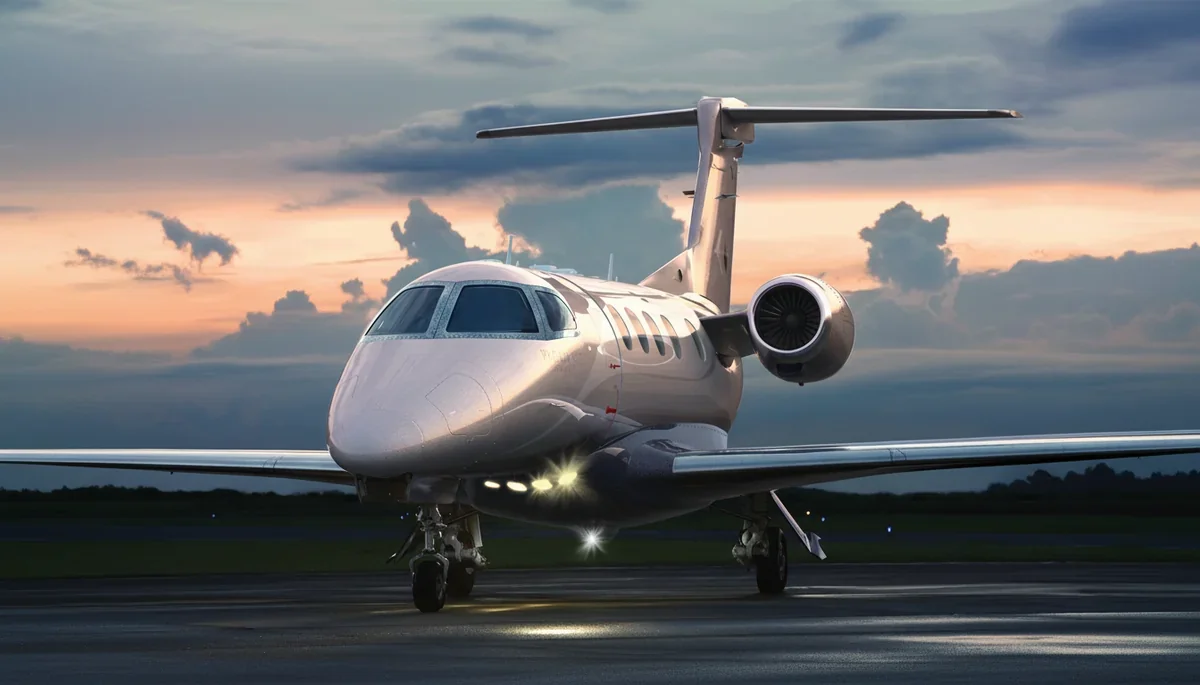
Light jets are the perfect entry point into private aviation, ideal for shorter regional flights and smaller groups of four to seven passengers. Think of them as your go-to for a quick business trip from New York to Boston or a weekend getaway from Los Angeles to Las Vegas. They are efficient, agile, and can access smaller airports that larger jets can’t. Light jets typically have an hourly rental rate that can start around $2,000, making them an economical choice for shorter flights. While they offer comfort and privacy, they usually have more compact cabins and limited baggage space compared to their larger counterparts.
Midsize Jets
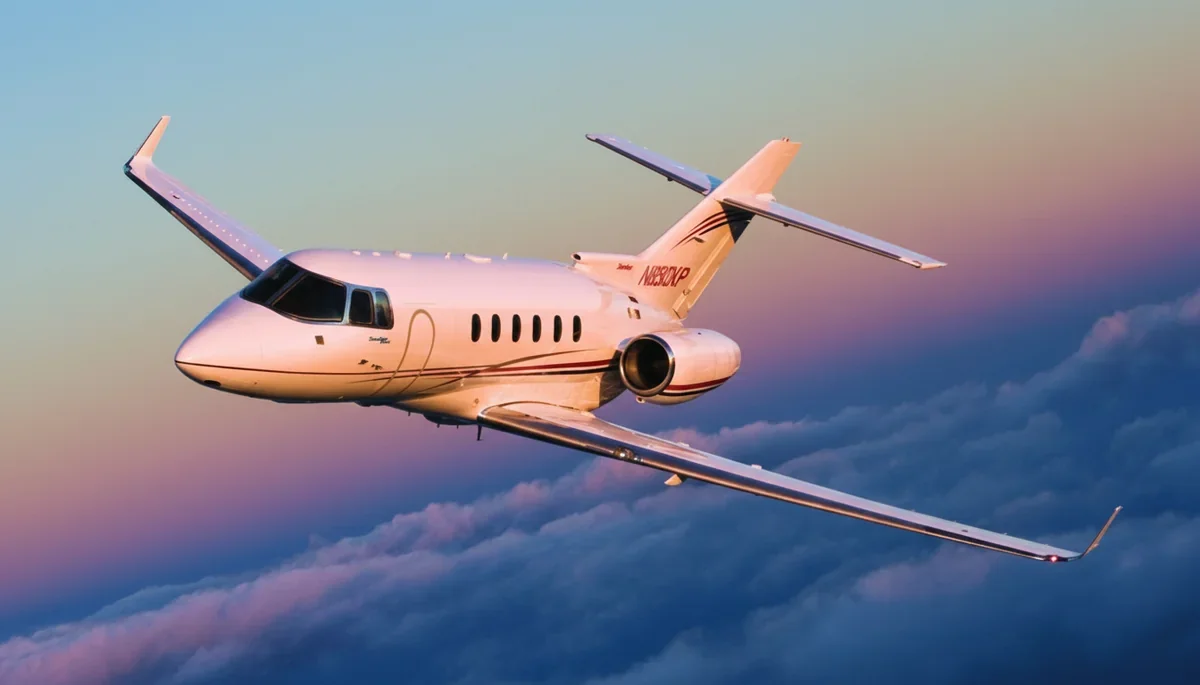
Stepping up to a midsize jet gives you more range, a more spacious cabin, and greater passenger capacity. These aircraft are a popular choice for cross-country flights, comfortably accommodating six to ten passengers. Many feature stand-up cabins and enclosed lavatories, adding a significant layer of comfort for trips lasting several hours. Midsize jets generally offer some of the most competitive on-demand private jet rental costs, striking an excellent balance between performance and price. They are versatile workhorses of the private fleet, capable of handling both business and leisure travel with ease.
Super Midsize Jets
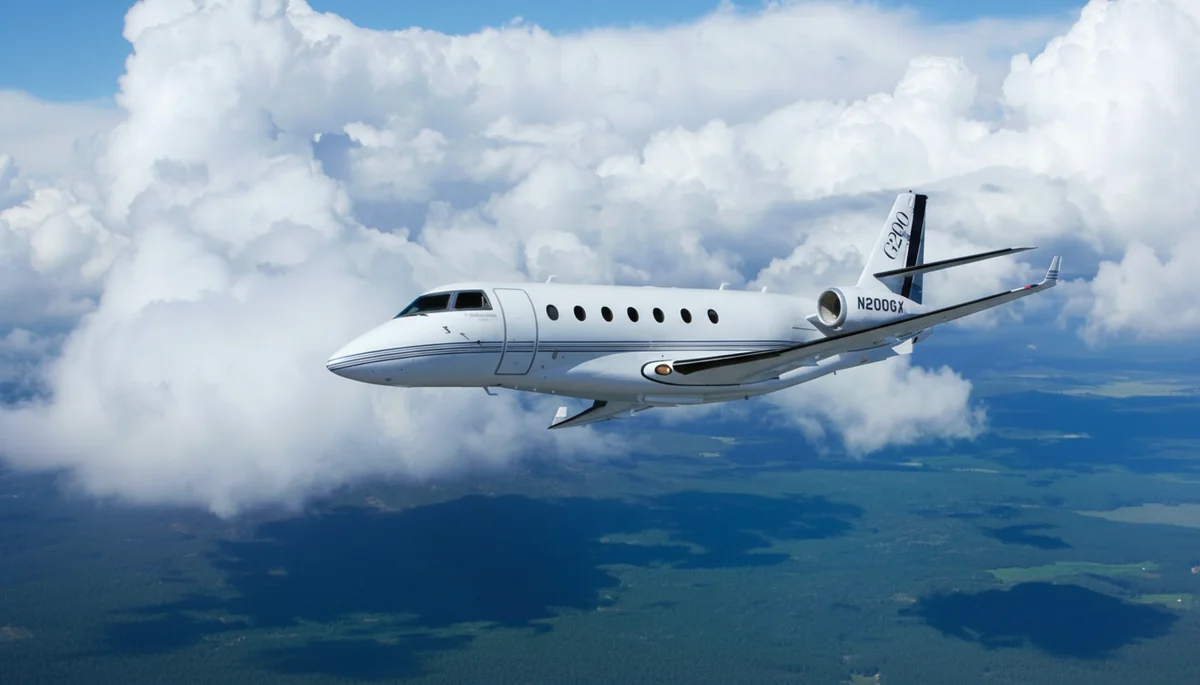
Super midsize jets bridge the gap between midsize and large-cabin aircraft, offering the range for transcontinental flights with the efficiency of a smaller jet. These planes are designed for performance and luxury, featuring spacious, quiet cabins, full galleys, and advanced entertainment systems. The hourly rates for super midsize jets can range significantly, often starting around $3,000 and going up to $10,000, depending on the specific model, age, and onboard amenities. This category is perfect for travelers who need coast-to-coast capability without the expense of a heavy jet.
Large Jets
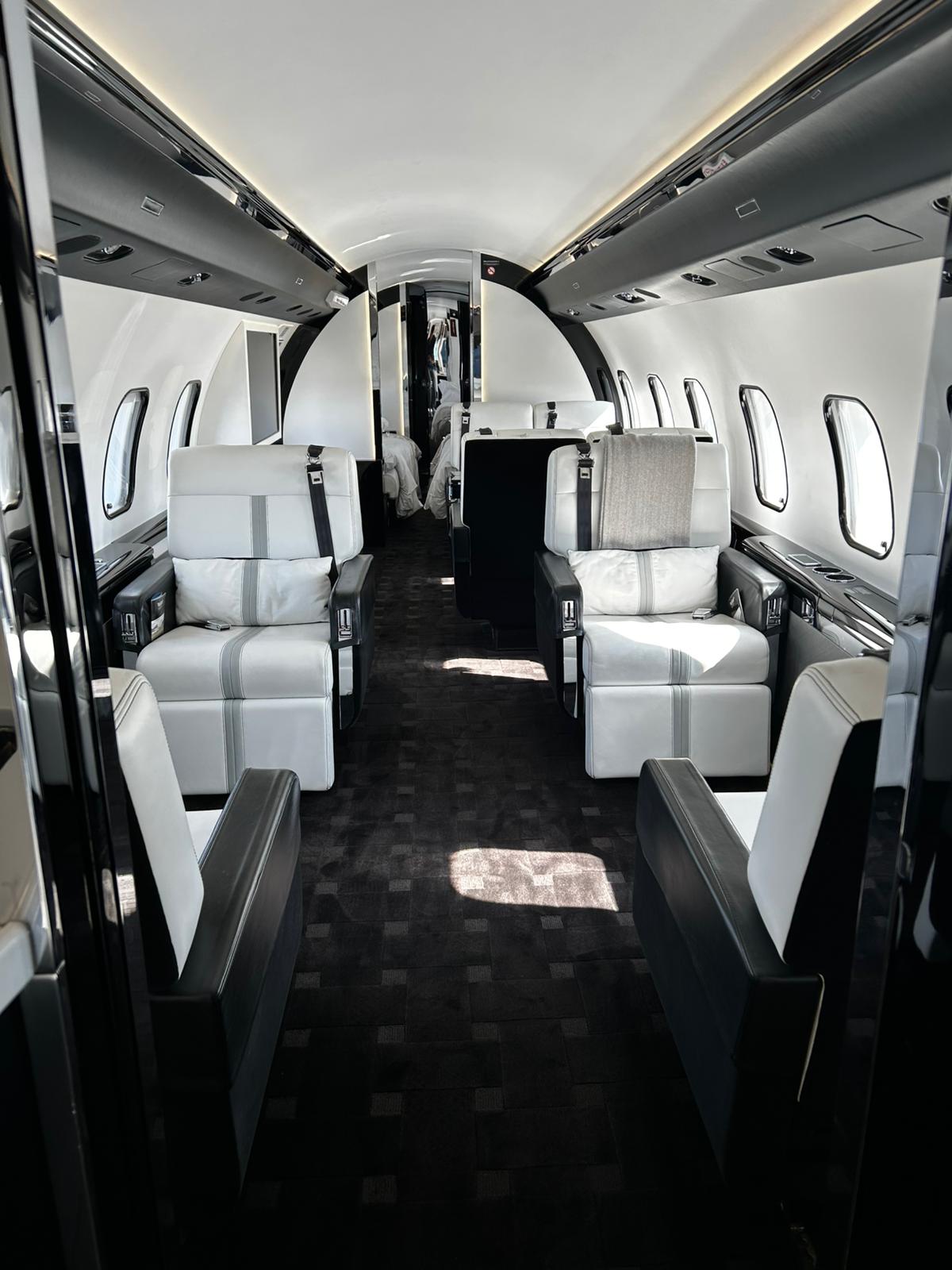
When your journey is international or your group is larger, a large jet is the answer. These aircraft are built for long-haul comfort, with expansive cabins that can be configured with separate areas for working, dining, and relaxing. They can typically carry 10 to 18 passengers and feature amenities like full-size galleys, flight attendants, and lie-flat beds. Large jets command higher hourly rates, ranging from approximately $5,000 to over $14,000, reflecting their impressive capacity and luxury features. They are the preferred choice for international business delegations and family vacations abroad.
Ultra Long Range Jets
For the ultimate in private air travel, ultra-long-range jets represent the pinnacle of luxury, speed, and distance. These aircraft can connect virtually any two cities on the globe non-stop, flying for 14 hours or more. Their cabins are exceptionally spacious and can be customized with private staterooms, full bathrooms with showers, and conference areas. For these premier jets, hourly charter rates can be quite substantial, often exceeding $20,000. A single flight can cost upwards of $200,000 depending on the route and services. When you need to fly across the world with maximum comfort and privacy, you can request a quote for an ultra-long-range jet.
What Other Fees Should You Plan For?
When you receive a private jet charter quote, the hourly rate is the main component, but it’s not the whole picture. To fully understand your total investment, it’s helpful to know about the other standard fees that can be part of your final price. These aren’t hidden charges; they are typical costs associated with aircraft operations, airport logistics, and crew services. Being aware of these potential expenses from the start ensures you have a clear and accurate budget for your trip, with no surprises along the way. Let’s walk through the most common fees you should plan for.
Landing and ramp fees
Every time an aircraft lands at an airport, it incurs a landing fee, which covers the use of the runway and air traffic control services. Ramp fees are separate charges for parking the aircraft at the private terminal, also known as the FBO (Fixed-Base Operator). These costs can vary dramatically depending on the airport’s popularity and the size of your aircraft. A major international airport in a city like New York will have higher fees than a small regional airfield. The weight of the specific jet you choose from the fleet also plays a significant role in determining these charges.
Fuel surcharges and taxes
Fuel is one of the most significant and variable operating costs for any aircraft. To account for market fluctuations, charter quotes often include a fuel surcharge. This isn’t a way to add profit; it’s a transparent method to adjust for the real-time cost of fuel. Additionally, all domestic flights within the United States are subject to a 7.5% Federal Excise Tax (FET) on the charter price. For international flights, other country-specific taxes will apply. A clear quote will always itemize these taxes and surcharges for you.
Crew overnight costs
If your travel plans require the flight crew to stay overnight at your destination, you will see a fee for their expenses. This charge covers the pilots’ hotel accommodations, meals, and local transportation. It’s a standard industry practice that ensures your crew is well-rested, alert, and ready to fly you safely on your return journey. This fee is typically a flat rate per crew member, per night, and is essential for trips that span more than one day or have late-night arrivals with early-morning departures.
Repositioning charges
Sometimes, the perfect aircraft for your trip isn’t based at your departure airport. When a jet has to fly empty to pick you up, or fly back to its home base after dropping you off, a repositioning fee applies. This is also known as a “ferry flight.” The cost is based on the flight time required to move the aircraft into position for your charter. One of the best ways to avoid this fee is to book an empty leg flight, which is a repositioning flight that you can book at a significant discount.
Onboard catering and ground transport
While complimentary snacks and beverages are standard on most private flights, any special catering requests will come at an additional cost. Whether you’d like a gourmet multi-course meal, specific vintage champagne, or dishes from your favorite restaurant, your charter provider can arrange it for you. Similarly, if you need ground transportation—like a luxury sedan or SUV—waiting for you upon arrival, this can be organized and included in your final invoice for a seamless door-to-door experience.
De-icing for winter weather
Flying during colder months may require de-icing services, a critical and non-negotiable safety procedure. Before takeoff in icy or snowy conditions, a special fluid must be sprayed on the wings and control surfaces to remove any frozen contamination. This ensures the aircraft can generate proper lift and operate safely. The cost of de-icing can vary widely based on the size of the aircraft, the type of fluid used, and the amount of ice or snow that needs to be removed.
International permits and customs
Traveling abroad involves a bit more logistical planning, which comes with its own set of fees. These can include charges for international handling, overflight permits (for flying through another country’s airspace), and customs and immigration services. These fees differ from country to country and are necessary to ensure your journey complies with all international regulations. When you request a quote for an international trip, these costs will be factored into your total price for a smooth cross-border experience.
What Factors Influence Your Final Charter Price?
While hourly rates provide a great starting point for estimating your costs, the final price on your charter quote is shaped by several moving parts. Think of it like planning any other kind of bespoke trip—the final cost depends on when you go, where you go, and the specific level of service you choose. Understanding these variables helps you see exactly what you’re paying for and gives you more control over the final price tag.
From the time of year you fly to the specific aircraft you select, each choice has a ripple effect on the total cost. Some factors, like fuel prices, are outside of anyone’s control, while others, like your booking window, are entirely up to you. Let’s walk through the main elements that will influence your quote so you can plan your travel with confidence and clarity. Knowing what to expect is the first step toward a seamless and perfectly tailored journey.
Peak travel seasons and high demand
Just like with commercial airlines and hotels, the principle of supply and demand plays a big role in private jet charter pricing. If you plan to fly during major holidays like Thanksgiving or Christmas, or to destinations hosting big events like the Super Bowl or the Cannes Film Festival, you can expect higher prices. This is simply because more people are looking to fly, and the availability of aircraft and crew decreases. To get the best possible rate, consider traveling during the shoulder seasons or mid-week when demand is naturally lower.
Aircraft availability and location
The type of aircraft you need and where it’s currently located are major factors in your final price. Our extensive fleet includes everything from nimble light jets for short hops to ultra-long-range aircraft for international travel, each with a different hourly rate. If the ideal jet for your trip isn’t based at your departure airport, it will need to be flown in, which incurs a repositioning fee. Booking with a provider that has a large, global network helps minimize these costs by finding an aircraft that is already close to you.
Your chosen route and distance
This one is pretty straightforward: the farther you fly, the more it will cost. Longer flights require more fuel, more flight time, and potentially a larger aircraft with longer range capabilities, all of which contribute to a higher price. A short flight from New York to Boston will naturally cost significantly less than a transatlantic journey from New York to London. Your charter quote will always be calculated based on the specific flight path and total distance of your unique itinerary.
How far in advance you book
Spontaneity is one of the great luxuries of private travel, but a little advance planning can often save you money. For the best aircraft selection and most competitive pricing, it’s a good idea to book domestic flights two to four weeks in advance and international trips three to six weeks out. While last-minute charters are always possible, booking ahead gives operators more time to schedule crew and secure the best-positioned aircraft for your trip, which can help you avoid premium rates and repositioning fees.
Fuel price fluctuations
Fuel is one of the most significant and variable operating costs for any aircraft. Because global fuel prices can change daily, most charter quotes will include a fuel surcharge. This charge is calculated based on the projected fuel consumption for your specific trip and the current market rate for jet fuel. While it’s a standard part of any charter, it’s important to know that this cost can fluctuate between the time you get a quote and the time you fly, though most operators work to lock in the price for you.
Carbon-neutral flight options
As travelers become more environmentally conscious, the demand for sustainable aviation is growing. Many charter companies now offer carbon offset programs, allowing you to invest in environmental projects that counteract the carbon emissions from your flight. Opting for a carbon-neutral flight will add a small premium to your total cost, but it provides a way to balance the convenience of private air travel with a commitment to sustainability. It’s an increasingly popular choice for both individuals and corporations looking to reduce their environmental impact.
How to Compare Private Jet Charter Companies
Choosing a private jet charter company is about more than just finding a plane; it’s about finding a trusted partner for your travel. With so many providers on the market, it can be tough to know which one is the right fit. The best companies stand out by prioritizing your safety, offering flexibility, and being transparent every step of the way. To make a confident decision, it’s helpful to look at a few key areas: their safety record, the aircraft they offer, their pricing structure, what other clients are saying, and how easy they make the booking process. Taking a moment to evaluate these factors will ensure your experience is seamless from takeoff to landing.
Check safety certifications and ratings
When it comes to private aviation, safety is the absolute priority. Any reputable charter company must be approved by the FAA under FAR Part 135 regulations, which is the standard for aircraft safety, maintenance, and operations. Think of it as the baseline requirement. For an even higher level of assurance, look for third-party safety ratings from organizations like ARGUS or Wyvern. These independent auditors conduct rigorous evaluations that go beyond the standard requirements. A charter provider with a top rating from one of these groups is demonstrating a serious commitment to safety. Don’t be shy about asking for a company’s safety credentials—a great partner will be proud to share them.
Review the fleet size and aircraft options
The right aircraft can make all the difference in your travel experience. A company with access to a large and diverse fleet gives you the flexibility to choose the perfect jet for your specific trip. Whether you need a light jet for a quick regional meeting or an ultra-long-range jet for an international journey with your family, having options matters. A varied fleet ensures you’re not paying for more plane than you need or trying to squeeze into one that’s too small. Companies with a global network can source the ideal aircraft for your itinerary, ensuring it meets your needs for passenger count, luggage space, and flight distance.
Look for transparent pricing
No one likes hidden fees or surprise charges. A trustworthy charter company will provide clear and comprehensive quotes that break down all the costs involved. While they should aim to give you one all-inclusive price, it’s smart to ask what’s covered. Inquire about potential extra costs like de-icing fees in colder climates, international handling charges, Wi-Fi access, or special catering requests. A transparent provider will be upfront about their pricing and explain any variable costs that could affect your final total. This honesty builds trust and helps you budget accurately for your trip without any last-minute financial stress.
Read customer reviews
Customer reviews and testimonials offer a genuine look into a company’s performance and service quality. They give you insight into what it’s really like to fly with a particular provider, from the booking process to the in-flight experience. Look for feedback that speaks to the company’s professionalism, responsiveness, and attention to detail. Pay close attention to how they handle specific requests or manage unexpected changes, as this reveals their commitment to client satisfaction. Positive reviews highlighting a seamless experience and proactive communication are excellent signs that you’re dealing with a reliable and customer-focused company.
Assess their booking technology
In a world that moves fast, the booking process should be simple and efficient. The best charter companies combine cutting-edge technology with personalized human service. Look for a provider with an intuitive online platform that makes it easy to request quotes, compare aircraft, and manage your trip details. A streamlined system for booking charter flights saves you time and puts you in control. At the same time, this technology should be backed by a team of experienced aviation advisors who are available to answer your questions and handle every detail, ensuring your booking experience is as smooth as the flight itself.
What Money-Saving Strategies Actually Work?
Flying private is the pinnacle of travel, offering unparalleled convenience, privacy, and comfort. While it’s a premium service, that doesn’t mean you can’t be smart about the cost. With a little planning and flexibility, you can make private aviation work for your budget without compromising on the experience. It’s all about understanding the market and knowing where to find the best value.
Think of it less as “cutting costs” and more as “investing wisely” in your travel. Simple adjustments to how and when you book can lead to significant savings, allowing you to enjoy all the benefits of chartering a jet more often. From taking advantage of unique flight opportunities to timing your bookings perfectly, there are several practical strategies you can use. Let’s walk through some of the most effective ways to manage your private jet charter costs and ensure you’re always getting the best possible price for your journey. These are the tried-and-true methods that savvy travelers use to make every flight as efficient as it is luxurious.
Find empty leg flight opportunities
One of the best-kept secrets in private aviation is the empty leg flight. When a jet is booked for a one-way trip, it often has to fly back to its home base or to its next pickup location without any passengers. This return flight is called an “empty leg.” Because the operator needs to move the plane anyway, they offer these flights at a massive discount—sometimes up to 75% off the standard charter price. If your schedule is flexible, you can find incredible deals on empty leg flights to amazing destinations. It’s the perfect way to experience luxury air travel for a fraction of the cost.
Be flexible with your travel dates
Just like with commercial airlines, timing is everything in the world of private charters. Demand for private jets skyrockets during holidays, major events, and on weekends. If you can shift your travel dates by just a day or two to fly during the week or in a less busy period, you can often find much better pricing. Being flexible also gives you access to a wider range of available aircraft, which can further help you find a cost-effective option that perfectly suits your needs. When you request a quote, mention any flexibility in your schedule—it can make a real difference in the final price.
Consider shared charter options
While private travel is often associated with exclusivity, you don’t always have to book an entire jet for yourself. Shared charters are becoming a popular option, especially for business travelers heading to the same destination for a conference or meeting. By splitting the cost of the flight with another individual or small group, you can enjoy the speed, convenience, and comfort of a private jet without shouldering the full expense. It’s a practical approach that combines the efficiency of private aviation with a more accessible price point, making it a smart choice for many travel scenarios.
Compare membership vs. on-demand flights
Many people wonder if they need a jet card or a fractional ownership plan to fly private. The truth is, for most travelers, on-demand chartering is far more cost-effective. Unless you’re flying more than 400 hours per year, the high upfront costs and annual fees of membership programs don’t make financial sense. With on-demand services like Haute Jets, you simply pay for the trips you take. This model gives you the freedom to choose the right aircraft for each specific journey from a vast global fleet without being locked into a single provider or paying for flight hours you don’t use.
Book during off-peak seasons
Planning ahead is always a good idea, especially when it comes to booking a private jet. To secure the best rates and your preferred aircraft, we recommend booking domestic flights at least two to four weeks in advance and international trips three to six weeks out. Traveling during the off-peak season will also yield significant savings. If you can avoid major holidays and the summer rush, you’ll find that aircraft availability is higher and charter prices are lower. A little bit of foresight allows you to lock in a great price and travel with the peace of mind that every detail is taken care of.
When Does Chartering a Private Jet Make Financial Sense?
While private aviation is the pinnacle of luxury, it can also be a surprisingly practical financial decision. The key is to look beyond the initial price tag and consider the total value. When you factor in time saved, increased productivity, and unparalleled convenience, the math often starts to favor chartering. Let’s break down the specific situations where choosing a private jet isn’t just an indulgence—it’s the smartest move you can make.
Comparing costs with first-class tickets
Let’s be direct: for a solo traveler flying a popular route like New York to Los Angeles, a first-class commercial ticket will almost always be cheaper. But the comparison gets much more interesting when your travel plans are more complex. If you’re flying as a group or traveling between smaller cities with limited commercial service, the cost per person for a private charter can become surprisingly competitive with first-class fares. When you explore private jet rental costs, you’ll see that the price is for the entire aircraft, not per seat. This changes the entire financial equation for families or business teams traveling together.
Calculating the value of your time
What is an hour of your time worth? For busy executives and high-net-worth individuals, this isn’t a philosophical question—it’s a financial one. Commercial travel involves hours spent on security lines, layovers, and potential delays. Private aviation eliminates nearly all of that. You can arrive at the airport minutes before departure, work in complete privacy during the flight, and land closer to your final destination. This shift from travel time to productive time is a significant return on investment. You can request a quote to see how a specific itinerary can maximize your schedule and deliver unparalleled efficiency.
The cost efficiency of group travel
Chartering is most cost-effective when you can fill the seats. Since you’re booking the entire aircraft, the price remains the same whether you have one passenger or eight. For a team of executives heading to a crucial meeting or a family going on vacation, splitting the cost can make the per-person rate very reasonable. The ability to choose the right aircraft from a diverse global fleet ensures you’re not paying for more plane than you need. A light jet is perfect for a small group on a short trip, while a larger jet accommodates more passengers comfortably for a long-haul flight, allowing you to tailor the expense directly to your group’s requirements.
Scenarios where chartering is the smart choice
Beyond group travel, certain itineraries make chartering the obvious choice. Imagine needing to visit three different cities in one day for business—a logistical nightmare commercially, but simple with a private jet. Or perhaps you need to reach a remote location for a project or a secluded vacation spot that isn’t served by major airlines. In these cases, a charter isn’t just convenient; it’s essential. The complete control over your schedule, the ability to travel with pets in the cabin, and the assurance of total privacy for confidential discussions are benefits that often make the premium worthwhile. For flexible travelers, finding an empty leg flight can also provide the full private jet experience at a significant discount.
How to Get an Accurate Charter Quote
Getting a clear and accurate quote is the first step toward a seamless private flight. While pricing can seem complex, it becomes much simpler when you know what information to provide and what questions to ask. A trustworthy charter company will be transparent, but being an informed client ensures you get the best value and avoid any surprises. The goal is to receive a comprehensive proposal that reflects the true cost of your trip, allowing you to compare your options with confidence. Think of it as a collaborative process—the more details you can share about your travel plans, the more precise your quote will be. Let’s walk through the key steps to getting a quote you can count on.
Provide the right details for precise pricing
To get a quote that truly reflects your needs, you’ll want to have a few key details ready. The most accurate pricing comes from specific information, so the more you can share upfront, the better. Start with the basics: your departure and destination cities, preferred travel dates, and the number of passengers. It’s also helpful to mention any flexibility in your schedule, as that can sometimes open up more cost-effective options.
The cost of a charter depends heavily on the aircraft size, the distance of your trip, and any special services you might need. For the best rates and widest aircraft selection, it’s a good idea to request a quote at least two to four weeks in advance for domestic flights and three to six weeks for international travel. This lead time helps your provider secure the ideal aircraft for your group without last-minute premiums.
Ask what’s included in the quote
When you receive a quote, the top-line number is just part of the story. A reputable charter provider will give you a detailed breakdown, but it’s always smart to confirm exactly what’s included. Beyond the aircraft’s hourly rate, the total price incorporates several other necessary costs. You should always ask if the quote includes federal excise taxes, airport landing and handling fees, and any crew overnight expenses.
Other potential costs include repositioning fees, which cover the expense of moving the plane to your departure airport if it’s not based there. By asking for an itemized list, you can see exactly where your money is going and make sure there are no hidden charges. This transparency is a hallmark of a great charter company and helps you accurately compare different private jet rental costs.
Understand how long your quote is valid
The world of private aviation is dynamic, with aircraft availability and operational costs changing daily. Because of this, a charter quote is typically valid for a limited time. The price you receive is based on the current market, including fuel prices, crew schedules, and aircraft positioning. These factors can fluctuate, so a quote provided today might not be the same next week.
When you receive a proposal, ask your charter advisor how long the pricing is guaranteed. This gives you a clear window to make your decision without feeling pressured. Understanding the validity period helps you plan accordingly and lock in your preferred aircraft and price. It’s a standard industry practice designed to account for the moving parts of private aviation, ensuring the quote you accept is accurate at the time of booking.
Spot red flags in a pricing proposal
A clear and detailed pricing proposal is a sign that you’re working with a trustworthy company. Conversely, a vague or confusing quote should give you pause. One of the biggest red flags is a price that seems significantly lower than all other quotes you’ve received. While it might look tempting, it could indicate that standard fees like taxes, landing charges, or fuel surcharges have been excluded, only to be added later.
A good charter broker will always be upfront about all potential costs. Be wary of any proposal that doesn’t itemize expenses or a provider who is hesitant to answer questions about what’s included. You should feel confident that the price you see is the price you’ll pay. Working with an established company with a diverse global fleet and a reputation for transparency is the best way to ensure a smooth and predictable experience.
Related Articles
- How Much Does a Private Jet Charter Flight Cost? – Haute Jets
- Private Jet Rental Cost | Charter Prices | Haute Jets
- jet charter pricing Archives – Haute Jets
- private jet charter pricing Archives – Haute Jets
Frequently Asked Questions
Is the hourly rate the only thing I pay for? Think of the hourly rate as the base price for your flight, but your final quote will be an all-inclusive figure. It bundles in all the necessary operational costs to make your trip happen seamlessly. This includes standard items like federal taxes, fuel surcharges, airport landing fees, and any expenses for the crew if your trip requires an overnight stay. A clear quote will always show you the complete picture so you know the total cost from the start.
Why can quotes for the same trip vary so much between companies? It’s common to see different prices for the same route, and the variation usually comes down to a few key factors. The specific aircraft model, its age, and its onboard amenities can influence the price. More importantly, an operator’s safety rating plays a role; companies with higher, third-party safety certifications like ARGUS or Wyvern often have slightly higher operating costs. A trustworthy provider will be transparent about what their quote covers, ensuring you’re comparing apples to apples.
Are empty leg flights a good deal, and what’s the catch? Empty leg flights are an absolutely fantastic way to experience private travel at a significant discount. The only “catch” is that they operate on a fixed schedule and route because the aircraft is already scheduled to fly that path, with or without passengers. If you have the flexibility to align your travel plans with an available empty leg, you can secure an incredible price without any compromise on the quality of the experience.
Do I need a membership or jet card to fly with Haute Jets? No, you don’t. We believe in providing on-demand charter services without requiring hefty upfront fees, memberships, or jet cards. This approach gives you complete freedom and flexibility. You simply pay for the flights you take and have access to a vast global fleet, allowing you to choose the perfect aircraft for each individual trip rather than being locked into a single program.
How much notice do you really need to book a flight? While we can often arrange flights with just a few hours’ notice, a little advance planning can help you get the best price and aircraft selection. For the most competitive rates, we generally suggest booking domestic trips two to four weeks ahead and international flights three to six weeks out. This gives us more time to find the ideal aircraft positioned closest to you, which can help avoid repositioning fees and secure better pricing.