Many people assume that private jet costs are fixed and incredibly high, but the reality is much more flexible. The final price of your charter is tailored to your specific journey, which means you have more control than you might think. Choosing a smaller, more efficient jet for a short regional trip or flying out of a less congested airport can make a significant difference. It’s not about finding the cheapest option; it’s about finding the smartest one for your needs. This guide will show you how various factors influence your quote and provide actionable tips for managing your budget without sacrificing the exceptional experience of private travel.
Key Takeaways
- Your final price is more than the hourly rate: The total cost includes the aircraft type and flight time, plus operational fees like airport charges, taxes, and any custom services you request.
- Flexibility is your key to better pricing: You can find significant savings by flying during off-peak times, choosing smaller regional airports, and booking an empty leg flight if your schedule allows.
- Chartering provides freedom without the financial burden: For most travelers, on-demand charters offer the luxury of private flight without the heavy costs and responsibilities of jet ownership, like maintenance and depreciation.
What Determines Private Jet Prices?
When you charter a private jet, you’re not just paying for a flight; you’re investing in a seamless, personalized travel experience. Understanding what goes into the final price can help you make the best choice for your trip. The cost isn’t a single, flat number—it’s a dynamic figure shaped by several key factors, from the type of aircraft you choose to the time of year you fly. Think of it less like buying a ticket and more like commissioning a service tailored specifically to you. Let’s break down the main components that influence the cost of your charter so you can plan your next journey with confidence.
How Hourly Rates Work
The foundation of any private jet charter quote is the hourly rate. This rate, which can range from about $2,000 to over $14,000, covers the core expenses of your flight. It bundles the cost of the aircraft itself, the salaries for your professional crew, standard insurance, and often, fuel. While it’s the biggest piece of the puzzle, it’s important to remember that it’s a starting point. Other variables, like airport fees and taxes, will be added to this base rate to determine your final private jet rental costs. Knowing what the hourly rate includes helps you better understand and compare quotes from different providers.
Aircraft Size and Price Points
One of the most significant factors in your hourly rate is the size of the jet you book. A larger aircraft with a longer range and more amenities will naturally come with a higher price tag. The choice depends on your destination, the number of passengers, and your comfort preferences. Our extensive global fleet offers a wide range of options to fit any trip. Here’s a general idea of what to expect per hour:
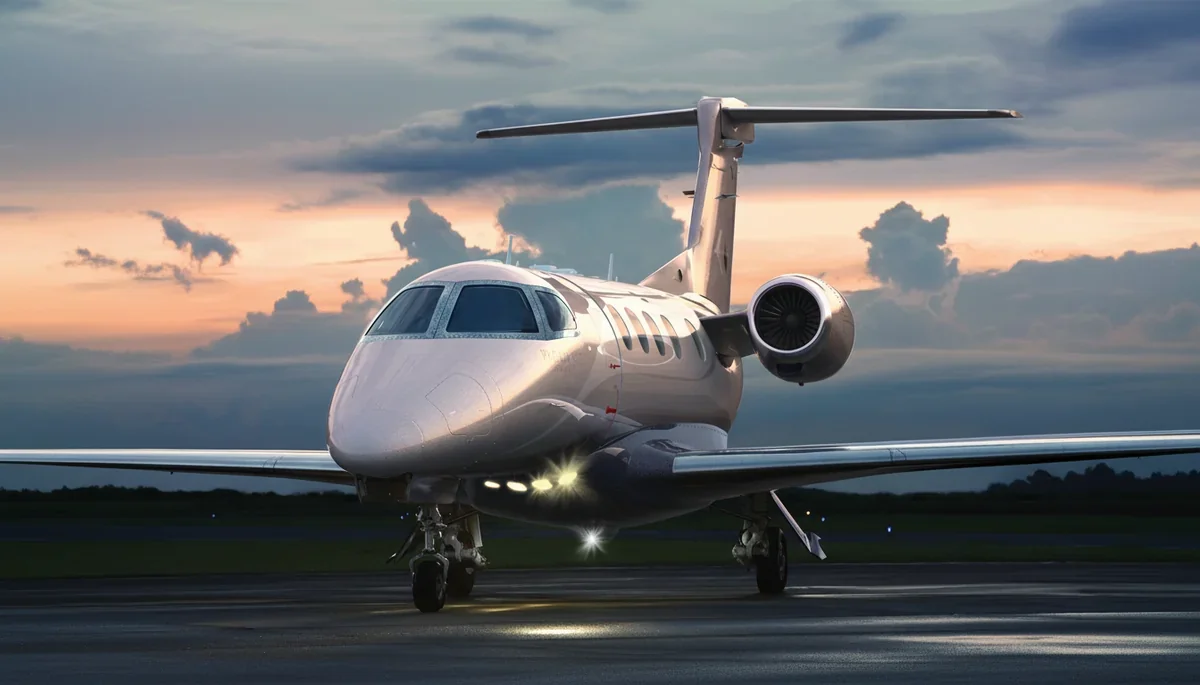
- Light Jets: $3,000–$4,250 for 4–8 passengers.
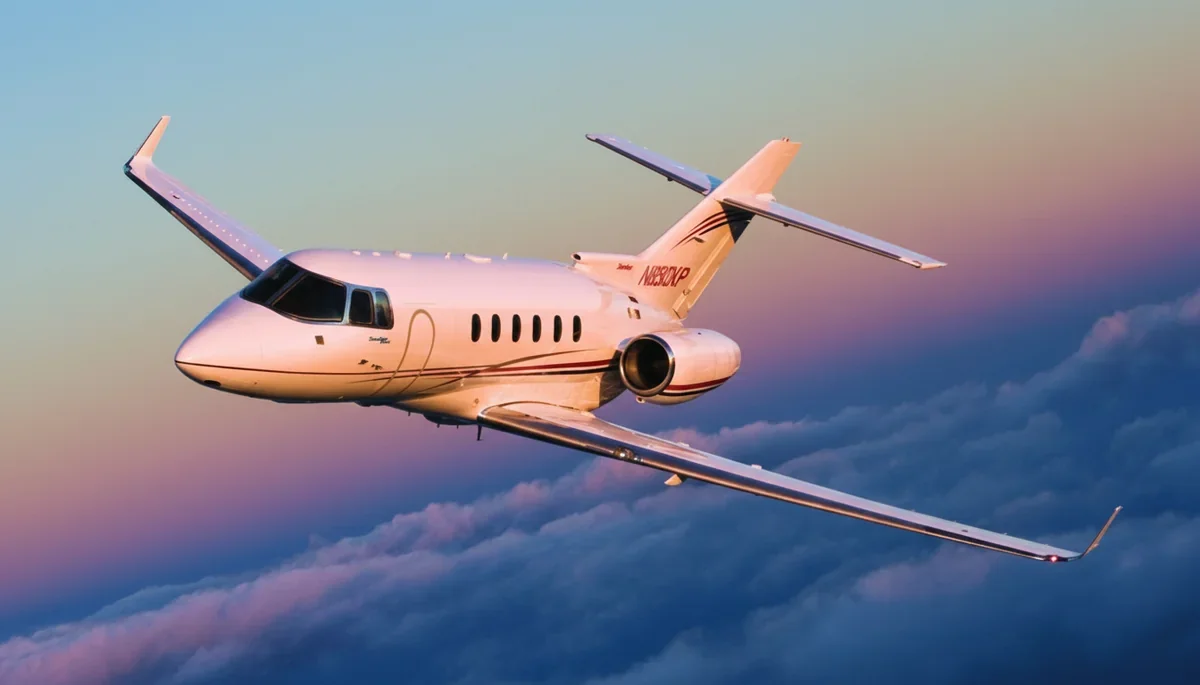
- Midsize Jets: $3,500–$4,500 for 6–8 passengers.
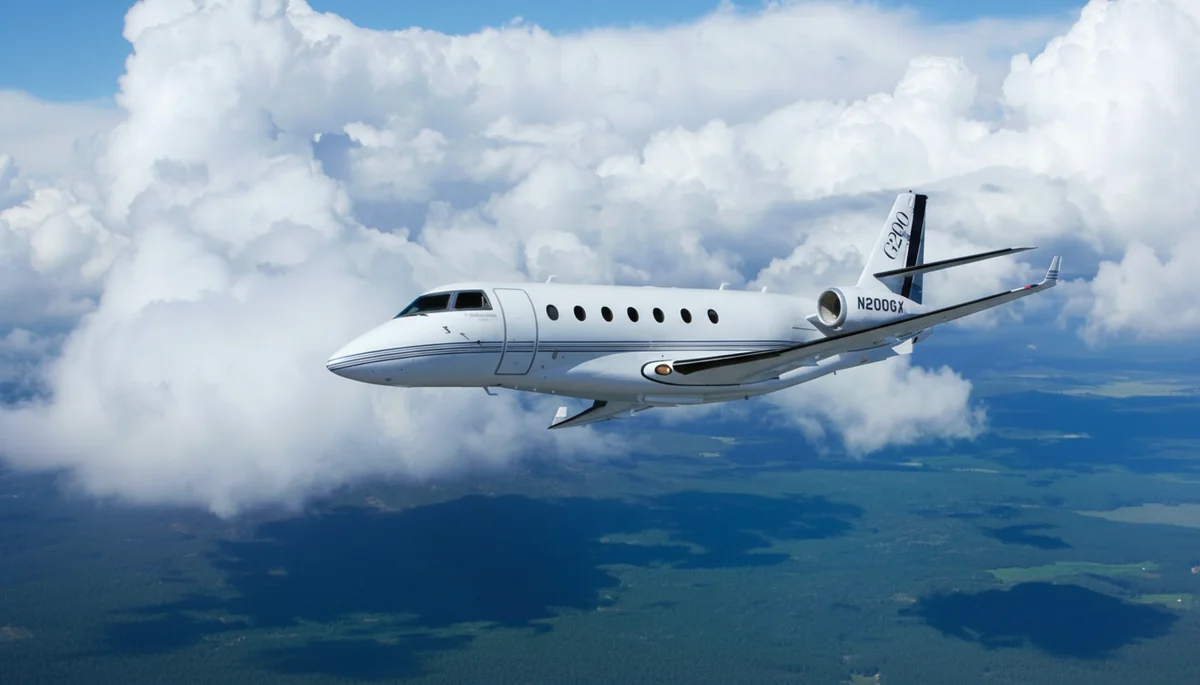
- Super-Midsize Jets: $5,000–$6,500 for 8–10 passengers.
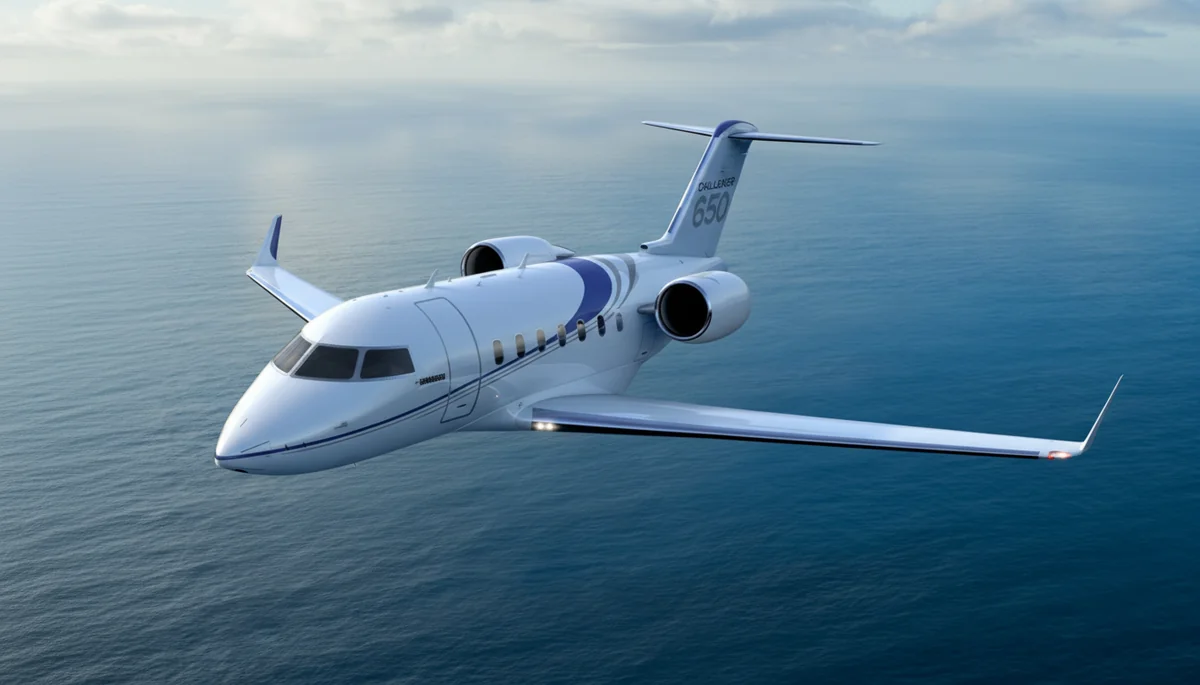
- Large & Ultra-Long-Range Jets: $5,550–$12,000+ for 10–19 passengers.
Flying On-Peak vs. Off-Peak
Just like with commercial travel, timing is everything. Demand for private jets surges during major holidays, three-day weekends, and significant global events like the Super Bowl or Art Basel. Flying during these peak periods often means higher rates due to increased demand for aircraft and crew. If your travel dates are flexible, you can find more favorable pricing by booking during off-peak times. Flying mid-week instead of on a Friday or Sunday can also make a difference. For travelers with the most flexibility, looking for an empty leg flight is another excellent way to access private travel at a reduced cost.
Common Myths About Private Jet Costs
Many people assume that flying private is an unattainable luxury, but that’s not always the case. One of the biggest myths is that it’s exclusively for the ultra-wealthy. When you travel with a group and split the cost, a charter can be surprisingly comparable to booking multiple first-class commercial tickets. Plus, you gain invaluable benefits like saving time, avoiding crowded terminals, and flying directly to smaller airports closer to your final destination. The best way to see what’s possible for your budget is to request a quote and get a transparent, all-inclusive price for your specific trip.
What Really Drives the Cost of Your Flight?
When you receive a quote for a private jet charter, the final number is a blend of several key factors. It’s not just about the distance from A to B; it’s about the specific aircraft, the time of year, and the level of service you require. Understanding these components helps you see exactly what you’re paying for and where you can find flexibility in your budget. Think of it less as a single price tag and more as a customized experience built around your needs. Let’s break down the five main elements that shape the cost of your private flight.
Your Jet’s Size and Model
The single biggest factor in your charter price is the aircraft itself. Just like cars, jets come in various sizes and models, each with a different operating cost. A smaller, light jet is more fuel-efficient and costs less per hour, while a larger, ultra-long-range jet capable of international flights requires more fuel, a larger crew, and has higher maintenance costs. The hourly rate can range from around $2,000 for a turboprop to over $20,000 for a heavy jet. The right choice depends on your passenger count, luggage, and flight distance. You can explore a diverse fleet of aircraft to find the perfect match for your trip.
How Far You’re Flying
The length of your trip directly impacts the cost, primarily through what’s known as “billable flight hours.” This isn’t just the time you spend in the air; it often includes taxiing time on the ground. Longer flights consume more fuel and require more of the crew’s time, which increases the price. Most charter operators also have a daily minimum flight time, typically around two hours. This means that even for a short 45-minute flight, you may be billed for the two-hour minimum to cover the fixed costs of preparing the aircraft and crew for your journey.
Crew and Operational Needs
A private flight is a highly personalized service, and that includes a dedicated crew. The cost of your pilots and any flight attendants is factored into the charter price. Beyond the crew, any special requests you have will also affect the final bill. This can include anything from specific five-star catering and top-shelf champagne to arranging for ground transportation upon arrival. While these services create a seamless and luxurious experience, they are additional operational costs that contribute to the overall private jet rental pricing.
Ferry Flights and Seasonal Demand
Sometimes, the aircraft you book isn’t based at your departure airport. The cost to fly the empty plane to pick you up and return it to its home base after your trip is called a “ferry flight” or repositioning fee. You can sometimes avoid this by booking an empty leg flight, which are discounted one-way trips on these repositioning routes. Additionally, prices fluctuate with demand. Expect to pay more during peak travel seasons, major holidays, or big events like the Super Bowl or Art Basel, when more people are looking to fly private.
Which Airports You Use
The airports you choose for departure and arrival also play a role in the total cost. Major international airports often have higher landing fees, handling charges, and taxes compared to smaller, regional airports. While a smaller executive airport might be more convenient and discreet, its fees can vary. The availability of aircraft at your chosen location can also influence the price, as it might increase the need for a repositioning flight. When you request a quote, the specific airports are used to calculate these fees accurately, ensuring there are no surprises.
A Look at Additional Fees
When you look at a private jet quote, the hourly rate is the headline number, but it’s not the full story. Several other standard fees contribute to the final private jet rental costs, and understanding them will help you see exactly where your money is going. Think of these as the operational costs that make your seamless travel experience possible. From airport access to government taxes, these charges are a normal part of any charter flight. Being aware of them ahead of time means you can review your quote with confidence and avoid any surprises. Let’s walk through the most common fees you’ll see so you know what to expect.
Airport and Landing Fees
Every time a jet lands, the airport charges a fee for using its runway and facilities. These landing fees can vary quite a bit, typically ranging from $100 to $1,500 per flight. The cost depends entirely on the airport itself—its size, location, and how much traffic it handles. For example, landing at a major international hub like JFK will be on the higher end, often over $1,000, while a smaller, regional airport will be much less. This fee is a standard operational cost that ensures the airport can maintain its infrastructure for all aircraft.
Ground Handling
Once your jet is on the ground, it needs to be managed. That’s where ground handling comes in. This service covers everything from parking the aircraft and guiding it to the terminal (or FBO) to coordinating refueling and servicing. Ground handling fees generally run between $100 and $500 per visit. This essential service ensures your aircraft is properly cared for on the ground and is perfectly prepared for the next leg of your journey, making your transition from air to ground completely seamless.
Taxes and Government Fees
Just like with commercial flights, taxes are an unavoidable part of flying private. In the United States, the two main charges to be aware of are the Federal Excise Tax (FET) and the US Segment Fee. The FET is a 7.5% tax on the total flight cost for domestic travel. On top of that, there’s a US Segment Fee, which is currently $5.00 per passenger for each leg of a flight. These government-mandated fees are applied to your charter cost and are standard across the industry.
In-Flight Catering and Services
While complimentary snacks and beverages are typically included on any private flight, you have the option to customize your dining experience completely. If you have specific culinary requests, from a particular vintage of champagne to a multi-course meal from your favorite restaurant, this will come at an additional cost. Custom in-flight catering can range from a few hundred dollars to over a thousand, depending on your preferences. For instance, a gourmet meal for four people can easily cost between $600 and $1,000, allowing you to enjoy a truly tailored experience at 40,000 feet.
Crew Overnight Stays
If your itinerary requires the flight crew to stay overnight, you’ll see a fee to cover their expenses. This is common for multi-day trips or flights with long layovers. The cost typically ranges from $200 to $400 per crew member for each night they are away from their home base. This fee covers their lodging and meals, ensuring your pilots and cabin crew are well-rested, safe, and ready to provide you with the best possible service for your return flight.
Fuel Surcharges
Fuel is one of the most significant and volatile expenses in aviation. Because fuel prices can change quickly, many charter quotes include a fuel surcharge to account for market fluctuations. This charge can add anywhere from $600 to over $900 per hour to your flight cost. Some quotes will include this in the base hourly rate, while others list it separately. It’s always a good idea to ask how fuel costs are handled when you request a quote so you have a clear picture of the total price.
Aircraft Parking
When your jet needs to be parked for an extended period, especially overnight, you can expect to see a parking fee. This cost can range from $500 to $1,500 per day. The price is often higher in colder climates where the aircraft may need to be stored in a heated hangar to prevent ice from forming on the wings and fuselage. While it’s an added expense, using a hangar is a critical safety measure that ensures the aircraft is protected from the elements and ready for a safe, on-time departure.
How Jet Size Affects Your Price
When you charter a private jet, the single biggest factor influencing the price is the size of the aircraft. It’s not just about how many seats are available; the size of the jet dictates its range, speed, and the level of amenities you’ll find on board. Think of it like choosing a car—a compact sedan is perfect for city driving, while a luxury SUV is built for long road trips with the whole family. Similarly, the right jet for a quick one-hour flight is very different from the one you’d need to cross an ocean.
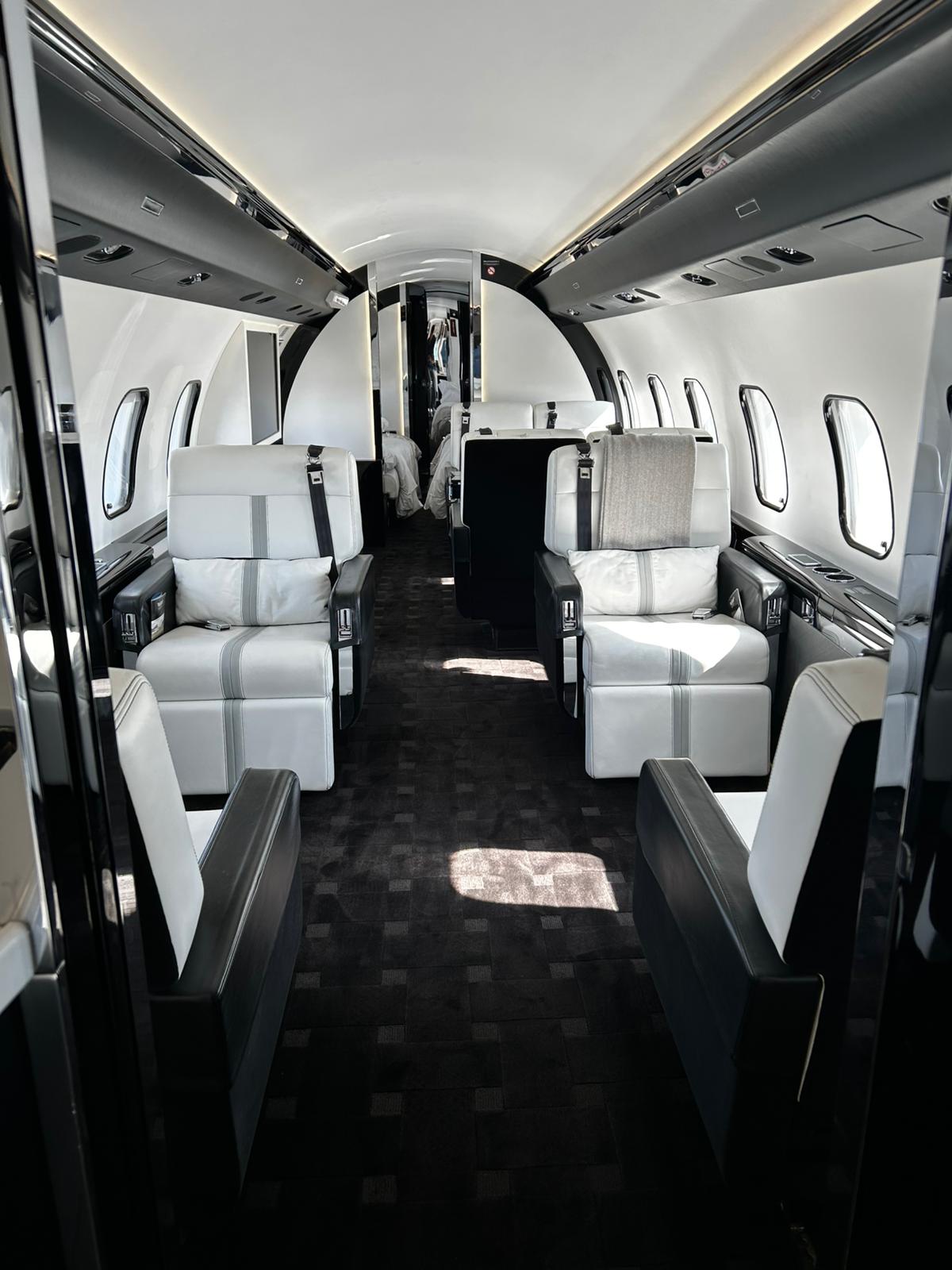
Choosing the right size is about finding the perfect match for your specific trip. You’ll want to consider how many people are traveling, how far you’re going, and what kind of experience you want. A larger jet means a more spacious cabin, often with room to stand up and walk around, plus more baggage capacity and premium features like a full galley or a dedicated flight attendant. As you move up in size, you gain significant range, allowing for non-stop international flights. Exploring the different aircraft categories will help you visualize what each level of private travel offers, ensuring you don’t pay for more jet than you need.
Light Jets: 4-6 Passengers
Light jets are the perfect entry point into private aviation, offering a fantastic blend of efficiency and comfort for shorter trips. They are ideal for regional flights, typically lasting one to three hours, making them a popular choice for quick business meetings or weekend getaways. These jets comfortably seat four to six passengers and provide a private, productive environment to work or relax. While they are the most cost-effective option, they still offer the core benefits of private travel: speed, privacy, and convenience. Expect hourly rates to generally fall between $3,000 and $5,000, making them an accessible choice for small groups who want to skip the hassles of commercial airports.
Midsize Jets: 7-9 Passengers
If you need a bit more room or need to travel a little farther, a midsize jet is an excellent step up. These aircraft are versatile workhorses, capable of handling flights up to five hours long, which makes cross-country trips possible without a fuel stop. With seating for seven to nine passengers, midsize jets feature more spacious cabins, increased luggage space, and often include an enclosed lavatory and a small galley for refreshments. They strike a great balance between the economy of a light jet and the enhanced comfort of a larger aircraft. For these added benefits, you can expect hourly private jet rental costs to range from $5,000 to $8,000.
Super-Midsize Jets: 8-12 Passengers
Super-midsize jets offer a significant upgrade in performance, range, and cabin comfort. They are designed for longer flights of up to seven hours, easily connecting continents like North America and Europe. These jets typically feature stand-up cabins, which makes moving around during the flight much more comfortable for the eight to twelve passengers they can accommodate. You’ll also find more luxurious amenities, including a full galley, spacious lavatories, and advanced entertainment systems. Their superior speed and range make them a favorite for travelers who need to cover long distances efficiently and in style. Hourly rates for these powerful jets usually run from $8,000 to $13,000.
Heavy Jets: 10-19 Passengers
For large groups or international travel, heavy jets deliver an unparalleled experience. These aircraft are built for long-haul flights, with the ability to fly for 10 hours or more without refueling. The cabins are exceptionally spacious and can be configured with separate areas for dining, meetings, and relaxation. A flight attendant is standard on heavy jets, ensuring a high level of personalized service throughout your journey. With seating for up to 19 passengers, they are essentially a luxury suite in the sky. If you’re planning a trip that requires this level of comfort and capability, you can request a quote with hourly rates typically ranging from $12,000 to $20,000.
Ultra-Long-Range Jets: 12-19 Passengers
At the very top of private aviation are the ultra-long-range jets. These aircraft are designed to connect almost any two cities in the world, offering non-stop flights of 12 hours or more. They represent the pinnacle of luxury and technology, with expansive cabins that can include private staterooms, full-size beds, and even showers. Built for ultimate comfort on global journeys, they provide a seamless and restful experience for 12 to 19 passengers. For those who require the ability to fly anywhere on the globe at a moment’s notice, these jets are the definitive choice. The cost reflects their incredible capabilities, with hourly rates starting around $15,000 and often exceeding $22,000.
Who Are the Top Charter Providers?
When you start looking into private flights, you’ll find several major players, each with a slightly different approach to getting you in the air. Some operate on a membership model, others offer fractional ownership, and some, like us at Haute Jets, focus on providing on-demand charter flights without long-term commitments. Understanding these differences is key to finding the right fit for your travel needs. The private aviation industry is built on relationships and trust, so getting to know the top providers helps you make an informed decision. From global giants to innovative tech-focused companies, here’s a look at some of the names you’ll encounter.
Haute Jets
At Haute Jets, we operate as a premier intermediary, connecting you with the perfect aircraft and carrier for your specific trip. We specialize in creating highly personalized, on-demand charter flights without requiring membership fees or jet cards. This model gives you complete flexibility to book what you need, when you need it. Our focus is on the entire experience, from tailoring cabin layouts to arranging gourmet in-flight dining. We believe luxury travel should be seamless and centered around your preferences, which is why our clients value our dedicated customer service and adaptable approach to private aviation.
NetJets
NetJets is one of the most established names in the industry, known for its fractional ownership programs. This model allows you to purchase a share of a specific aircraft, giving you a set number of flight hours per year. It’s a popular choice for frequent flyers who want the consistency and perks of ownership without the full operational responsibilities of managing a whole aircraft. They also offer jet card programs for those who fly less often but still want access to their extensive fleet and renowned safety standards.
VistaJet
VistaJet is recognized for its global service and distinctive silver and red aircraft. Instead of ownership, they offer a unique subscription model that provides access to their entire fleet of aircraft. This is ideal for international travelers who need consistent, high-end service anywhere in the world without being tied to a single aircraft. VistaJet places a strong emphasis on a uniform luxury experience, ensuring that the service and amenities are the same no matter where you fly. Their model is designed for those who prioritize global reach and predictable quality.
Flexjet
Flexjet provides a mix of fractional ownership and leasing programs, offering a flexible path to private aviation. Their approach caters to clients who want the benefits of owning a jet share but may not be ready for the full commitment. With a diverse fleet and a reputation for exceptional service, they serve both business and leisure travelers. Flexjet is known for its dedicated crews and high-end cabin interiors, which are grouped into its “Red Label” collection, providing a more personalized and consistent flight experience for owners.
Wheels Up
Wheels Up operates on a membership-based model that allows members to book flights on a pay-as-you-go basis. This system is designed for convenience and flexibility, appealing to travelers who want access to a private fleet without the upfront investment of ownership. They offer a user-friendly app that simplifies the booking process, making it easy to schedule flights on their diverse range of aircraft, from light to midsize jets. Their innovative approach has made private aviation more accessible to a broader audience.
XO
XO blends on-demand charter services with a membership program, giving clients multiple ways to fly. You can book individual flights as needed or join their membership for preferential pricing and other benefits. A key feature of how XO works is its powerful mobile app, which allows you to request a flight, book a seat on a shared flight, or browse available charters instantly. They are known for their competitive, transparent pricing and for making the process of booking a private jet straightforward and accessible from your phone.
How to Fly Private for Less
Flying private is the pinnacle of luxury and convenience, but that doesn’t mean you can’t be smart about the cost. With a bit of planning and insider knowledge, you can make your private travel budget go further without sacrificing the experience. It’s all about understanding the options available and choosing the one that best fits your itinerary and priorities. Many travelers assume that the price is fixed, but several factors—from the route you choose to the time you book—can significantly influence the final cost of your charter.
Thinking strategically about your travel can open up opportunities for substantial savings. This doesn’t mean cutting corners or compromising on safety or comfort. Instead, it’s about working with the logistics of private aviation to your advantage. For example, being flexible with your travel dates could allow you to book a deeply discounted flight, while choosing a smaller, less congested airport might reduce operational fees. By learning how the system works, you can make informed decisions that align with both your desires and your budget. From flexible flight opportunities to strategic airport choices, here are some of the most effective ways to manage the cost of your next private charter.
Find an Empty Leg Flight
One of the best ways to find a deal is by booking an empty leg flight. These are flights scheduled to fly a specific route without any passengers, typically when a jet is repositioning or returning to its home base after a one-way trip. Because the flight has to happen anyway, operators offer these seats at a significant discount—sometimes up to 75% off the standard charter price. The key is flexibility, as your travel plans will need to align with the jet’s predetermined destination and schedule. If your dates are open and the route works for you, an empty leg can provide the full private jet experience for a fraction of the typical price.
Consider a Jet Card or Membership
For those who fly frequently, jet cards and memberships are a common option in the private aviation industry. These programs typically require a large upfront investment in exchange for fixed hourly rates and guaranteed availability. While this model works for some, it locks you into a single provider and a significant financial commitment. An alternative is to use an on-demand charter service. This approach gives you the freedom to choose the perfect aircraft for each specific trip without any membership fees. It offers a more flexible and often more cost-effective way to fly private, ensuring you only pay for what you need, when you need it.
Book at the Right Time
Just like with commercial airlines, timing can make a big difference in pricing. If you can, try to request a quote one to two months before your travel date. Booking in advance gives you access to a wider selection of aircraft and more competitive pricing, as operators are keen to fill their schedules. This lead time allows charter providers to optimize their fleet and crew logistics, and those efficiencies can translate into savings for you. Last-minute bookings are always possible for spontaneous trips, but they often come at a premium due to limited availability. A little forethought not only helps secure a better rate but also ensures you get the ideal jet for your needs.
Choose a Different Airport
The airport you fly in and out of has a direct impact on your charter cost. Major international airports come with higher landing fees, more air traffic, and potential delays. Opting for a smaller, regional airport nearby can be a brilliant move. These airports typically have lower operational costs, which translates into savings for you. Plus, you’ll often enjoy a quicker, more discreet boarding process at a private terminal, or FBO (Fixed-Base Operator), getting you in the air faster. It’s a simple switch that can reduce your overall cost while making your travel day even more seamless and efficient.
Share Your Charter
If you’re traveling with a smaller group or are open to flying with others, sharing a charter can be an effective way to split the cost. Some services allow you to book a single seat on a pre-scheduled private flight, which works well for popular routes between major cities. While you give up the complete privacy of having the jet to yourself, you still get to enjoy the comfort, speed, and convenience of private aviation without the premium price tag. This option isn’t for everyone, as it requires coordinating with other passengers, but it’s a viable strategy for making a private flight more accessible for certain trips.
Should You Charter or Own a Jet?
Deciding between chartering and owning a private jet is one of the biggest financial questions in luxury travel. While the idea of having your own aircraft is certainly appealing, the reality involves much more than just the initial purchase price. For most travelers, even those who fly frequently, chartering offers a more practical and financially sound way to fly private. The right choice ultimately comes down to how you fly, how often you fly, and your long-term financial goals. Understanding the full scope of costs associated with each option is the first step in making the right decision for your needs.
Comparing the Upfront Costs
The most immediate difference between chartering and owning is the upfront investment. Buying a private jet requires a significant capital outlay, often running into the millions or tens of millions of dollars. Chartering, on the other hand, has no massive upfront cost. You simply pay for the trips you take. This pay-as-you-go model makes private aviation accessible without the financial burden of ownership. Unless you plan to fly more than 150 hours per year, the math almost always favors chartering. It allows you to enjoy all the benefits of private flight without tying up capital in a depreciating asset.
Analyzing Ongoing Expenses
Beyond the purchase price, owning a jet comes with a long list of continuous expenses. These aren’t small details; they are substantial costs that add up quickly. As an owner, you are responsible for crew salaries, insurance, hangar fees, and regular maintenance. These are fixed costs you pay whether the jet is flying or sitting on the tarmac. When you charter a flight, these operational costs are bundled into your hourly rate. You get a clear, all-inclusive price for your trip without worrying about the complex logistics and expenses of aircraft management.
Factoring in Maintenance
Maintenance is a critical and costly component of jet ownership. It goes far beyond routine check-ups and includes mandatory inspections, unexpected repairs, and parts replacement, all of which can ground your aircraft for weeks at a time. These maintenance events are not only expensive but also inconvenient, leaving you without access to your jet. When you charter, the operator handles all maintenance and safety compliance. You simply step onto a perfectly maintained, flight-ready aircraft from a diverse global fleet without ever having to think about its service schedule.
How Often Will You Fly?
The tipping point between chartering and owning often comes down to flight hours. Most industry experts agree that ownership only begins to make financial sense if you fly more than 150 to 400 hours annually. Below that threshold, the high fixed costs of ownership are difficult to justify. Chartering provides the ultimate flexibility, allowing you to fly as much or as little as you need without any long-term commitment. This is ideal for individuals and businesses whose travel needs may change from year to year.
Long-Term Financial Planning
From a long-term perspective, chartering offers significant financial advantages. Aircraft are depreciating assets, meaning your multi-million dollar investment will lose value over time. Chartering protects you from this depreciation. It also gives you the flexibility to choose the most appropriate and cost-effective aircraft for each trip, rather than being locked into a single jet that may be too large for a short trip or too small for a large group. For those who do decide ownership is the right path, services are available to help you buy a jet that aligns with your financial strategy.
What to Know Before You Book
Booking a private jet is an exciting process, but it helps to know a few key details before you commit. Understanding your quote, payment options, and cancellation policies will ensure your experience is as smooth as your flight. Think of this as your pre-flight checklist to make sure every detail is covered, so you can simply relax and enjoy the journey ahead. Being prepared means you can book with confidence, knowing exactly what to expect from start to finish.
How to Read Your Quote
When you receive a quote, it’s more than just a single number. The final private jet rental cost is a combination of several factors. You’ll see the price reflects the flight time and distance, your destination, and the specific aircraft you’ve chosen. Busy travel seasons or major events can also influence the price. Your quote will itemize these costs, so you have a clear picture of what you’re paying for. Any extra services you request, like specific in-flight catering or ground transportation, will also be listed. Reviewing these details helps you understand the value and ensures there are no surprises.
Payment Options
One of the best parts of on-demand chartering is its flexibility. With Haute Jets, you pay for each trip as you go, without needing to commit to a membership or a jet card. This straightforward approach keeps things simple and transparent. Once you approve your quote, you can typically pay via bank transfer or credit card. This pay-as-you-fly model is perfect for those who value freedom and want to avoid the large upfront investment of fractional ownership or jet card programs. It gives you complete control to book a flight whenever you need one, tailored to that specific trip.
What if You Need to Cancel?
Life happens, and sometimes plans change. It’s important to know the cancellation policy before you book. Most charter operators have fees that depend on how close to the departure date you cancel. For example, you might see a 50% fee for canceling within two weeks and a 100% fee for canceling within 72 hours of your flight. This is because the aircraft and crew are secured specifically for your trip. Keep in mind that special flights, like one-way trips and empty leg deals, are often non-refundable due to their unique pricing and logistics.
Insurance Coverage
When you charter a private jet, the aircraft operator carries comprehensive liability insurance that covers you, your guests, and your belongings. This is a standard and highly regulated part of the aviation industry. Because of this extensive operator coverage, traditional third-party travel insurance is generally not available or necessary for private jet rentals. You can always request a copy of the operator’s insurance certificate for your peace of mind. It’s one less thing for you to worry about, as safety and liability are already handled by the professionals managing your flight.
The Best Time to Book Your Flight
To get the best pricing and the widest selection of aircraft, it’s a good idea to book your flight one to two months in advance. This is especially true if you’re planning to travel during peak seasons, like major holidays or popular events. Booking early gives you more options to choose the perfect jet from the available fleet for your needs and can often secure a better rate. While last-minute charters are always possible, a little advance planning usually pays off by giving you more flexibility and control over your travel arrangements.
Related Articles
- Private Jet Rental Costs: Detailed Insights into Plane Rental | Haute Jets
- Cheap Private Jets: Your Guide to Affordable Luxury Travel – Haute Jets
Frequently Asked Questions
Why is the final price different from the advertised hourly rate? Think of the hourly rate as the foundation of your trip’s cost—it covers the aircraft, crew, and standard insurance. The final price builds on that foundation by adding the necessary operational costs for your specific journey. This includes things like airport landing fees, government taxes, and any custom requests you might have, such as specific gourmet catering or ground transportation. We present a fully itemized quote so you can see exactly how these elements come together to create your seamless travel experience.
What’s the easiest way to make my private flight more affordable? Flexibility is your best friend when it comes to managing costs. If your travel dates aren’t set in stone, you can often find an empty leg flight that matches your route for a fraction of the standard price. Another simple strategy is to consider smaller, regional airports instead of major international hubs. They typically have lower landing and handling fees, which can lead to noticeable savings on your final quote.
Do I need a membership or jet card to fly with Haute Jets? No, you don’t. We specialize in on-demand charter, which means you have the freedom to book any flight you need without any upfront investment, membership fees, or long-term commitments. This pay-as-you-go approach allows you to choose the perfect aircraft for each individual trip, ensuring you only pay for what you actually use, every single time.
When does it make more sense to own a jet instead of chartering? Owning a jet is a major commitment with significant ongoing expenses for maintenance, crew, and storage. From a purely financial standpoint, ownership generally starts to make sense only if you fly more than 150 to 200 hours per year. For nearly everyone else, chartering is the more practical and cost-effective choice, offering all the benefits of private travel without the immense financial and logistical responsibilities of ownership.
How much notice do I need to give to book a flight? For the best selection of aircraft and more competitive pricing, we recommend booking your flight one to two months in advance, especially if you plan to travel during a holiday or a major event. That said, we can often arrange flights with just a few hours’ notice. A little advance planning simply gives you more options and helps ensure every detail is perfectly tailored to your trip.