
Choosing how to fly private is a big decision, and the options can seem overwhelming. On one end, you have full aircraft ownership, a massive financial and logistical undertaking. On the other, you have the complete freedom of on-demand chartering. Private jet memberships and jet card programs sit somewhere in the middle. They are marketed as a hassle-free solution for frequent flyers, offering the consistency of a single provider without the burdens of ownership. But do they truly offer the best of both worlds? Let’s explore what these memberships entail, from their payment structures to their hidden costs, so you can decide if this model fits your lifestyle or if you’re better served by a more agile, commitment-free way to fly.
Key Takeaways
- Understand the Trade-Off Between Commitment and Flexibility: Private jet memberships require a significant upfront investment and lock you into a single provider, which works best for predictable travel. On-demand charters offer complete freedom to choose the right aircraft and price for each trip without long-term contracts.
- Look Beyond the Hourly Rate to Find the True Cost: A membership’s advertised price is just the starting point. To get a realistic budget, you must factor in the large initial buy-in plus extra charges like fuel surcharges, taxes, and crew fees that are often excluded from the base rate.
- Define Your Travel Profile Before Deciding: The best way to fly private depends entirely on your needs. Analyze your annual flight hours, typical passenger count, and common destinations to determine if a membership’s rigid structure fits your patterns or if the adaptability of pay-as-you-fly is a smarter choice.
What Is a Private Jet Membership?
At its core, a private jet membership is a subscription-based service that gives you access to private flights without the full financial and logistical weight of owning an aircraft. Think of it as an agreement with a specific provider where you pay a fee—often a substantial upfront investment—in exchange for access to their fleet at predetermined rates and terms. These programs are typically designed for individuals and businesses that fly frequently and want a more streamlined experience than booking individual trips each time.
Memberships aim to bridge the gap between on-demand chartering and fractional or full aircraft ownership. They promise convenience, consistency, and often, guaranteed availability. However, this access comes with a contract and a significant financial commitment, tying you to a single provider for a set period. While they can simplify the process for regular travelers, it’s important to understand that not all membership programs are created equal, and the term itself covers a wide range of different service models and payment structures. The key takeaway is that you are pre-paying for access and flight hours, locking you into a specific system.
The Different Types of Memberships
The term “private jet membership” is an umbrella that covers several different models, each with its own structure. Some of the most common types include jet card programs, where you purchase a block of flight hours on a specific aircraft category. Other providers, like NetJets, offer programs that feel closer to fractional ownership, giving you a share of flight hours across their fleet.
You’ll also find capped-rate or fixed-rate memberships that require an annual fee in exchange for locked-in hourly pricing. Newer models are even emerging, like Vaunt’s annual membership, which offers access to empty-leg flights for a flat fee. Each program comes with its own set of rules regarding peak travel days, aircraft choice, and service areas. This variety means you really have to look closely at the fine print to see if a program’s specific offerings align with your typical travel patterns.
Membership vs. On-Demand Charter: What’s the Difference?
The fundamental difference between a membership and an on-demand charter comes down to commitment versus flexibility. With a membership, you are paying for access in advance. This involves a contract, a significant upfront cost, and an agreement to fly with one provider. The primary benefit is often a fixed hourly rate and guaranteed access to an aircraft, which can be appealing for those with predictable travel schedules.
On-demand chartering, on the other hand, is a pay-as-you-fly model. You have the freedom to choose the best aircraft for each specific trip from a global fleet, with no upfront investment or long-term contracts. This approach gives you complete control and transparency, allowing you to compare private jet rental costs for every flight. While memberships try to simplify booking, on-demand charters provide the ultimate flexibility, ensuring you only pay for what you need, when you need it, without being locked into a single provider’s network or pricing structure.
How Do Private Jet Memberships Work?
Private jet memberships can feel complicated from the outside, but they generally operate on a simple premise: you pay a fee for privileged access to a fleet of aircraft. Think of it as a subscription for flying private. While the specifics vary between providers, the core process involves a commitment that unlocks certain benefits, like fixed hourly rates or guaranteed availability.
The main idea is to streamline the flying experience for frequent travelers. Instead of sourcing a new charter for every trip, a membership offers a more structured relationship with a single provider. You’re essentially buying into their system, which includes their payment model, booking process, and aircraft network. Understanding these three components is the key to figuring out how any given membership functions and whether it’s the right fit for your travel style. Let’s break down exactly what that looks like in practice.
Understanding Payment Structures
Most private jet memberships require a significant upfront financial commitment. The most common model is the jet card, where you prepay for a block of flight hours, typically in 25- or 50-hour increments. As you fly, the hours are deducted from your account balance. This structure is designed to offer predictable private jet rental costs by locking in hourly rates for a specific aircraft category. Some programs offer a flat annual fee for access, while others might require a large initial deposit that you draw from over time. It’s crucial to understand how your funds are handled and what happens to any unused hours or deposits at the end of your contract term.
How You’ll Book Your Flights
Booking a flight through a membership is usually handled directly with the provider via an app, a dedicated portal, or a personal concierge. The process is designed to be simpler than sourcing individual charters. However, simplicity can sometimes come with restrictions. Some programs, especially those offering “unlimited” flights, may use a waitlist system where the first person on the list gets the flight. Others require a certain amount of advance notice to guarantee an aircraft, which can limit spontaneity. Before committing, you should clarify the booking window, peak travel day restrictions, and any potential blackout dates to ensure the program aligns with your need to request a quote and fly on your schedule.
Accessing the Fleet
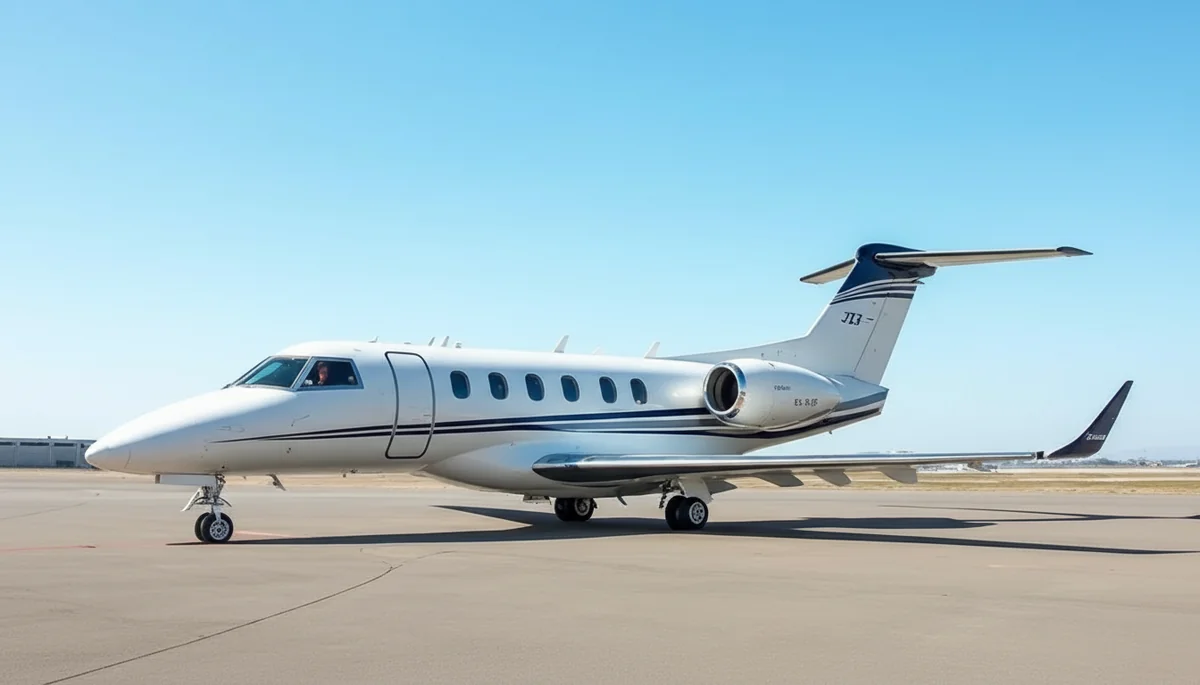
When you join a membership, you gain access to a specific collection of aircraft. Some providers own and operate their entire fleet, giving them direct control over maintenance and crew. Other companies, including Haute Jets, operate through an extensive network of vetted operators. This model provides access to a much larger and more diverse fleet of over 3,500 aircraft worldwide, offering greater flexibility in aircraft choice and global availability. The type of fleet access determines the variety of jets you can book, from light jets for short hops to ultra-long-range aircraft for international travel. It’s important to know whether you’re limited to a specific set of planes or have broader options.
What Are the Real Costs of a Private Jet Membership?
When you’re exploring private aviation, the price tag is obviously a major factor. Memberships and jet cards are often marketed as a straightforward way to fly, but the real costs can be more complex than they appear. Understanding the full financial picture, from upfront payments to those extra fees, is key to deciding if a membership is the right fit for you. Let’s break down what you can actually expect to pay.
Breaking Down the Upfront Fees
The most common entry point into a private jet membership is a significant upfront payment. Many programs, especially jet cards, require you to purchase a block of flight hours in advance—typically in 25, 50, or 100-hour increments. This means you’re paying a hefty sum, often six or seven figures, before you even step onto a plane. While this secures your flight time, it also locks your capital into a single provider. This pre-payment model is the standard for most card programs, so it’s the first major cost to consider when you’re comparing the different private jet rental costs associated with different ways to fly.
What to Expect for Hourly Rates
Once you’ve paid the initial fee, your travel is deducted at a set hourly rate. These rates vary widely depending on the program and the size of the aircraft you choose, from light jets to large-cabin models. Some memberships advertise “capped” or fixed hourly rates as a key benefit, promising protection from price surges. However, this can be a double-edged sword. While a fixed rate is predictable, it may not always be the most competitive price available on the market. For certain routes or during off-peak times, on-demand charter rates can be significantly lower, meaning you could end up overpaying for the convenience of a fixed price.
Watch Out for These Hidden Costs
The hourly rate is rarely the final number you’ll see on your invoice. It’s crucial to read the fine print, because many memberships come with a list of additional charges. Common extras include federal excise tax, fuel surcharges that can fluctuate with market prices, international fees, and premium catering costs. You might also be on the hook for de-icing fees in colder climates and crew overnight expenses if your trip requires it. These ancillary fees can add a substantial percentage to your total flight cost, turning a seemingly good deal into a much larger expense. Always ask for a detailed breakdown of what is and isn’t included before you commit.
What Are the Perks of a Private Jet Membership?
Private jet memberships are designed to feel exclusive, and they come with a list of benefits aimed at making your travel life simpler and more luxurious. The core promise is a seamless experience, from booking to landing. But what do you actually get for the significant investment? It usually boils down to a few key advantages that frequent flyers find appealing. These programs sell convenience and consistency, offering a predictable way to fly privately without the complexities of full aircraft ownership. They handle the logistics, so all you have to do is show up. Let’s break down the most common perks you’ll see advertised.
Guaranteed Availability and Flexibility
One of the biggest draws of a membership is guaranteed access to an aircraft, often with as little as 24 to 48 hours’ notice. This is a huge advantage for those with unpredictable schedules or who need to arrange travel on the fly. Memberships often promise that a jet will be ready and waiting for you, eliminating the stress of last-minute searches. This level of availability provides peace of mind, knowing you have a reliable travel solution at your fingertips. While this is a major perk, it’s worth noting that on-demand charters can also offer incredible flexibility, often without the hefty upfront commitment.
Saving Time and Flying with Ease
Time is the one luxury you can’t buy more of, and private aviation is built around preserving it. When you fly privately, you completely bypass the hassles of commercial airports. Forget long security lines, crowded terminals, and rigid flight schedules. You can often drive directly onto the tarmac, board your jet, and be in the air within minutes. This efficiency is a game-changer. Beyond avoiding major airports, private jets can also access thousands of smaller airfields that are closer to your final destination, whether that’s a remote business site or a secluded vacation spot. This direct access drastically cuts down on ground transportation time.
Access to Premium Aircraft and Personalized Service
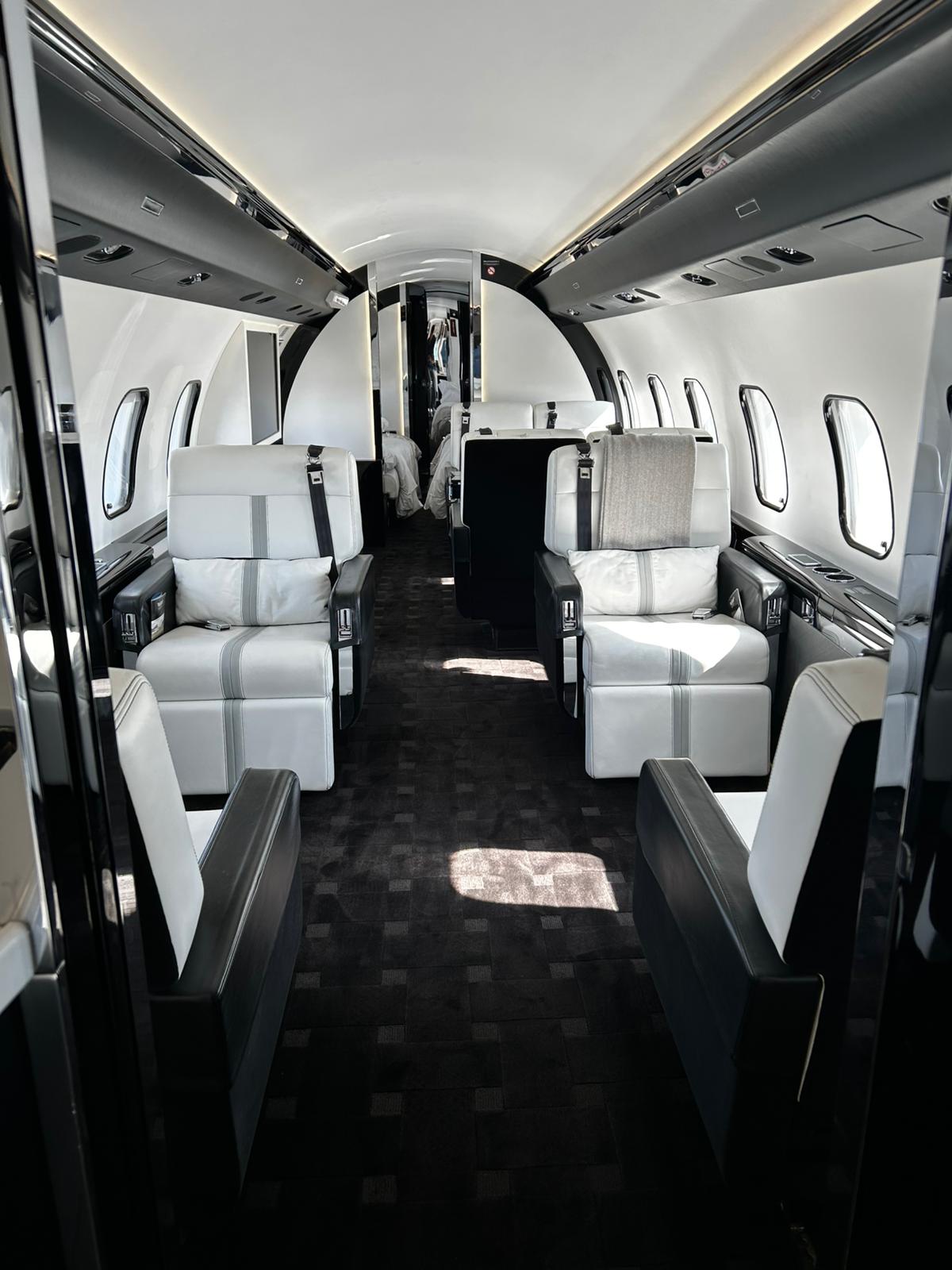
Memberships typically grant you access to a specific, well-maintained fleet of aircraft. You can expect high standards for safety, comfort, and amenities on every flight. Beyond the hardware, the service is tailored to you. From your preferred catering to specific ground transportation arrangements, the membership provider handles every detail. This level of personalization is a hallmark of private aviation, creating an experience that feels less like a transaction and more like having your own personal flight department. At Haute Jets, we provide this same bespoke service while giving you access to a global fleet of over 3,500 aircraft, ensuring you always get the perfect jet for your mission.
Is It More Cost-Effective for Frequent Flyers?
This is the million-dollar question. For those who fly very frequently—think 50 hours or more per year—a membership can sometimes be more cost-effective than booking individual on-demand charters every time. You’re essentially buying flight hours in bulk, which can lock in a favorable hourly rate. This structure also simplifies budgeting, as you have a clearer picture of your annual travel costs. However, it’s crucial to analyze your own travel patterns. If your flying is sporadic or you value the freedom to choose the best-priced option for each trip, a pay-as-you-fly model often provides better overall value and avoids tying up capital in a long-term commitment.
How to Choose the Right Private Jet Membership
Picking a private jet membership is a big decision, and the right choice really comes down to your unique travel patterns and preferences. Before you sign any contracts, it’s important to take a close look at how you fly, what you need from an aircraft, and what your budget can comfortably handle. Think of it as creating a personal flight profile. This clarity will help you filter through the various programs to find one that feels like it was made just for you, rather than trying to fit your needs into a program that doesn’t quite work.
Getting this right from the start saves you from potential headaches and makes sure every dollar you spend is delivering real value. Let’s walk through the three key areas you need to evaluate to make a smart, informed decision.
Assess Your Travel Needs
First, be honest about how often you actually travel. Are you flying a few times a year for special occasions, or are you in the air every other week for business? Many membership programs are structured around annual flight hours. For example, some providers offer tiered memberships based on usage, with plans designed for those who fly 25 to 49 hours per year and different programs for those who fly 50 hours or more. Tally up your past trips and forecast your future ones to get a realistic estimate. This number is the single most important factor in determining whether a high-volume membership is worth the investment or if a more flexible option would be a better fit.
Determine Your Aircraft Requirements
Next, think about the type of travel you do. Are your trips typically short, regional flights with one or two passengers, or are you flying cross-country or internationally with a larger group? The aircraft you need for a weekend getaway is very different from the one required for an overseas business meeting. Different programs provide access to specific types of jets, from small light jets to large, long-range aircraft. Having a clear picture of your typical mission—including passenger count, luggage needs, and flight distance—will help you select a program with the right private jet fleet to match your requirements. This ensures you’re not paying for more plane than you need.
Review Your Budget and Contract Terms
Finally, it’s time to talk numbers. While memberships help you avoid the massive capital outlay of owning a jet, they come with their own set of costs. Look beyond the flashy marketing and dig into the fee structure. Some programs allow you to “pay only for the hours they fly,” which can offer significant savings. It’s crucial to understand the full financial picture, including initiation fees, monthly dues, and hourly rates. Compare the all-in private jet rental costs of a membership with on-demand charter pricing. In many cases, a pay-as-you-fly model provides greater value and flexibility, especially if your travel schedule varies. Always read the fine print to understand exactly what you’re paying for.
Comparing the Top Private Aviation Options
Once you decide to fly private, the next step is choosing how you want to fly. The private aviation landscape is filled with different models, from pay-as-you-go charters to shared ownership. Understanding the nuances of each option is key to finding the perfect fit for your travel style, frequency, and budget. Let’s break down the most popular ways to access private jets so you can make an informed decision.
On-Demand Charters (The Haute Jets Way)
Think of on-demand charters as the ultimate pay-as-you-go service for private aviation. This model offers unparalleled freedom, allowing you to book a private jet whenever you need one without any hefty upfront fees, long-term contracts, or membership costs. You simply pay for the trip you take. This approach is perfect for travelers who value flexibility, fly on a more sporadic schedule, or want access to a wide variety of aircraft. With on-demand charter flights, you can choose the ideal jet for each specific mission, whether it’s a light jet for a quick business trip or a heavy jet for an international family vacation.
Jet Card Programs
Jet card programs are a popular choice for those who fly more frequently and prefer predictable pricing. With a jet card, you pre-purchase flight time in 25, 50, or 100-hour increments at a fixed hourly rate. This locks in your pricing and typically guarantees aircraft availability with as little as 24 hours’ notice. A major advantage is the flexibility to upgrade or downgrade the size of their aircraft based on your needs for a particular trip. Many providers also pride themselves on delivering exceptional, high-touch service, making the entire experience feel seamless and personal from booking to landing.
Fractional Ownership
Fractional ownership is a step up from a jet card and is one of the main alternatives to sole ownership. This model is essentially like a timeshare for a private jet. You purchase a share of a specific aircraft, which entitles you to a certain number of flight hours per year. You share the jet—and all associated costs like maintenance, staffing, and hangar fees—with the other owners. This option is best suited for individuals or companies that fly between 50 and 400 hours annually and desire the consistency and pride of owning an asset without shouldering the entire financial and operational burden of a whole aircraft.
Unlimited Flying Memberships
A newer and more disruptive model in private aviation is the unlimited flying membership. These programs operate on a subscription basis, where you pay a flat annual or monthly fee for access to, as the name suggests, unlimited flights. Companies offering this service often build their model around repositioning or empty-leg flights, which can mean less flexibility in scheduling and destinations. For instance, one popular program offers unlimited one-way private flights for a yearly fee. This can be an incredibly cost-effective option for spontaneous, frequent travelers who have the flexibility to work with the available flight schedules.
Is a Private Jet Membership Worth It?
Deciding whether a private jet membership is the right move comes down to your specific travel patterns, budget, and desire for flexibility. While memberships can seem like an appealing middle ground between full aircraft ownership and occasional charters, they come with their own set of commitments and costs. The core idea is to pay a significant upfront fee for access to a fleet of aircraft at fixed hourly rates.
This model can be a great fit for those who fly a predictable number of hours each year and prefer a structured, all-in-one package. However, for travelers whose schedules change or who want the freedom to choose the perfect aircraft for each individual trip, the rigidity and long-term financial commitment of a membership might not be the best solution. The key is to weigh the convenience of a pre-paid program against the freedom of a more adaptable, pay-as-you-fly approach.
When Does a Membership Make Financial Sense?
A private jet membership typically makes financial sense for individuals or businesses that fly more than 25 hours per year on a consistent schedule. The main value proposition is that you pay only for the hours you fly, avoiding the massive overhead associated with full aircraft ownership, like maintenance, crew salaries, and hangar fees. If your travel needs are predictable and you value having a single point of contact for all your flights, the structure of a membership can simplify your planning. It’s designed for those who want a step up from on-demand charters but aren’t ready to purchase their own jet.
Membership vs. Pay-As-You-Fly
The biggest difference between a membership and a pay-as-you-fly model is commitment. Memberships require a substantial upfront investment and lock you into a specific provider and their fleet for a set term. While they offer flexibility in scheduling, you’re still operating within their framework. In contrast, on-demand charter flights offer complete freedom. You can fly when and where you want, choosing the ideal aircraft for each specific mission—a light jet for a quick business trip or a heavy jet for a family vacation overseas. There are no upfront costs or long-term contracts, giving you the agility to adapt to your changing travel needs without being tied down.
Debunking Common Cost Myths
One of the biggest myths in private aviation is that you need to own a jet or join an exclusive club to fly private. The reality is that full ownership is like running a complex business, and memberships often come with hidden fees and restrictions. Another misconception is that these are the only two options. The modern, on-demand charter model provides access to the same luxury and convenience without the hefty financial buy-in. You get transparent private jet rental costs for each trip, allowing you to manage your travel expenses with precision and clarity. This approach makes private aviation more accessible and practical than many people think.
Your Pre-Commitment Checklist
Before you sign on the dotted line for any private jet membership, it’s smart to do some final due diligence. Think of this as your last check to ensure the program truly aligns with your travel style, budget, and expectations. A membership is a significant commitment, so taking the time to ask the right questions and understand the details will save you headaches later on. This checklist covers the essential areas to review, from your personal flying habits to the technology you’ll use to book your trips.
Key Questions to Ask Before You Sign
First, get crystal clear on your own travel patterns. A program built for someone flying 100 hours a year won’t be a good fit if you only fly 30. Ask yourself: How many hours do I realistically expect to fly annually? What destinations do I frequent most? Do I need different aircraft sizes for different trips? Some programs structure their tiers based on annual flight hours, so an honest assessment is your best starting point. You should also inquire about the provider’s primary service area and whether your typical routes are covered without extra fees. Knowing your needs helps you find a membership that fits, rather than forcing you to fit into a pre-set program.
Understanding the Fine Print: Contracts and Cancellations
Every membership contract has its own set of rules, and the details matter. Pay close attention to the terms regarding flexibility. For instance, can you upgrade or downgrade your aircraft size depending on the trip, or are you locked into one category? Life happens, so you’ll also want to fully understand the cancellation policy. What happens if you need to end your membership early? Are there penalties, and how much notice is required? Look for clear, flexible terms that don’t lock you into an ironclad agreement. This is a major point of difference from simply booking charter flights on demand, where you aren’t bound by long-term contracts.
A Look at the Booking Technology
In an on-demand world, the technology you use to book and manage your flights should be seamless and intuitive. Ask for a demo of the member app or online portal. How easy is it to see real-time availability and get a quote? Some modern platforms use innovative technology to offer better value, such as providing dynamic pricing models that source the best aircraft at competitive rates. The booking process should feel effortless, not like another task on your to-do list. A smooth, transparent digital experience is often a good indicator of the company’s overall commitment to service and efficiency.
Related Articles
- Luxury Jet Memberships: Flexibility & Safety | Haute Jets
- How to Book a Private Jet for Business Travel – Haute Jets
- Private Jet Price Breakdown: Everything You Need to Know – Haute Jets
Frequently Asked Questions
What’s the biggest difference between a membership and just chartering a jet when I need one? The main difference comes down to commitment versus freedom. A membership requires a significant upfront payment and locks you into a contract with a single provider for a set period. On-demand chartering is a pay-as-you-fly model, giving you the flexibility to choose the best aircraft and price for every single trip without any long-term ties or hefty initial costs.
Are memberships always the cheaper option if I fly frequently? Not necessarily. While buying flight hours in bulk can seem cost-effective, the fixed hourly rates of a membership might be higher than the current market rate for certain flights, especially during off-peak times. On-demand charters often provide more competitive pricing because you can compare options for each trip. It’s important to weigh the predictability of a fixed rate against the potential savings of a more flexible model.
What happens if I buy a jet card and don’t use all my hours? This depends entirely on the provider’s contract, which is why reading the fine print is so important. Some programs allow you to roll over unused hours into the next year, often for a fee, while others have a strict expiration date. In some cases, you could risk losing the remaining value of your card if the hours aren’t used within the specified timeframe.
With a membership, am I limited to a specific type of aircraft? Often, yes. Many memberships and jet cards are sold for a specific category of aircraft, like a light or midsize jet. While some programs allow you to upgrade or downgrade, this can come with additional costs or restrictions. An on-demand service gives you access to a global fleet, so you can select the perfect aircraft for each mission, whether it’s a small jet for a quick business meeting or a large-cabin plane for a family vacation.
Why would I choose an on-demand charter if memberships promise guaranteed availability? On-demand charters offer a different kind of guarantee: the guarantee of total control and flexibility. While memberships promise a plane, they often come with booking windows and peak-day restrictions. With an on-demand charter, you have access to a much larger, worldwide network of aircraft. This means you get the exact plane you want, when you want it, without being tied to one company’s fleet or rules, and you only pay for the trips you actually take.