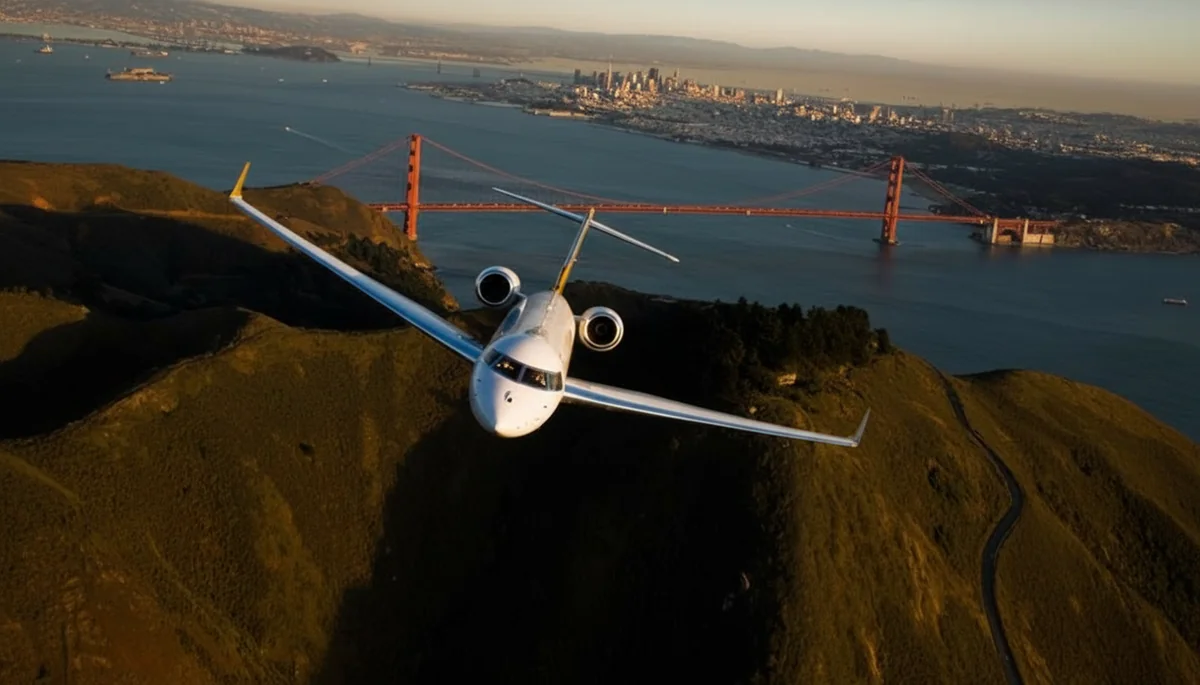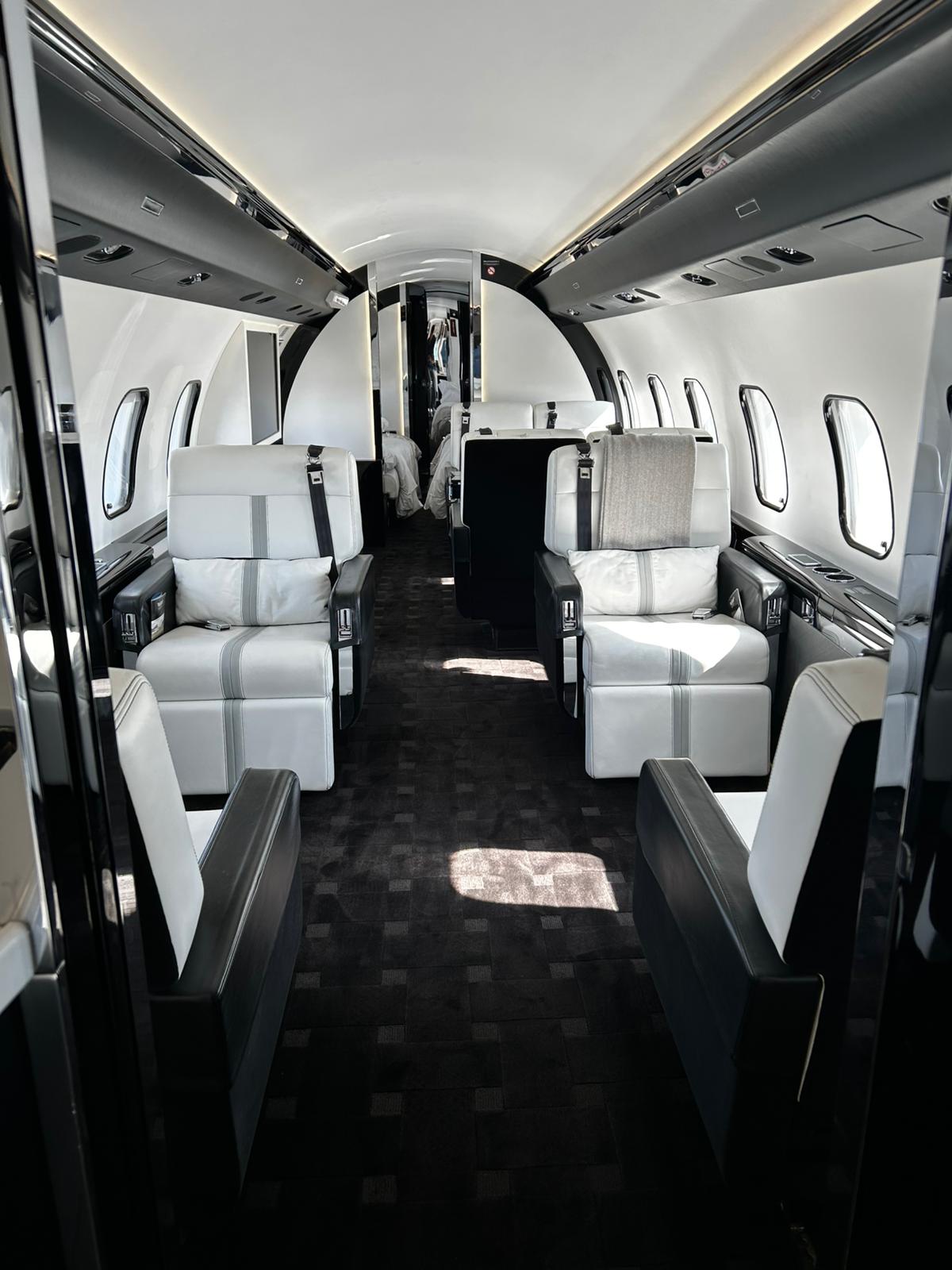
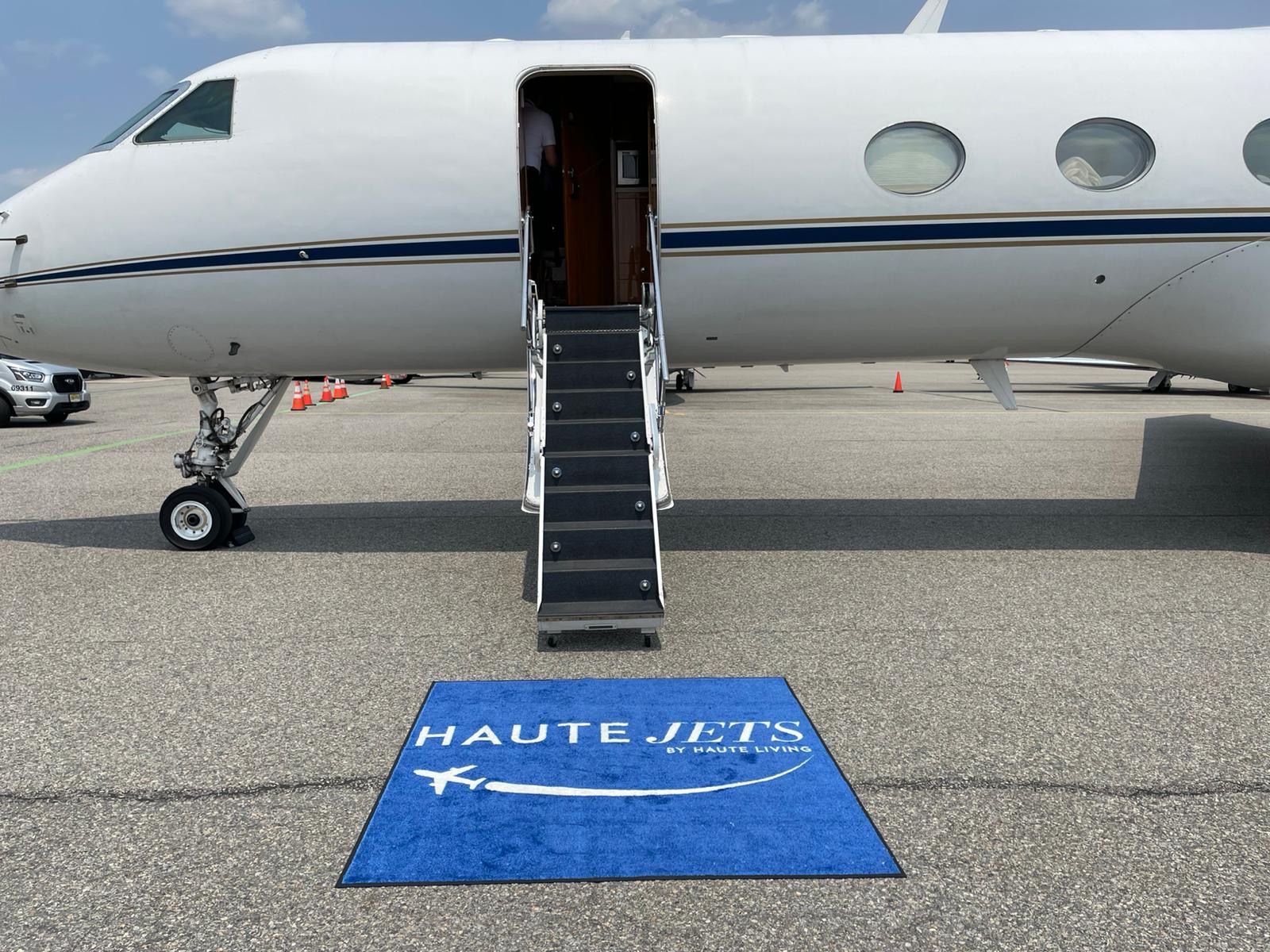
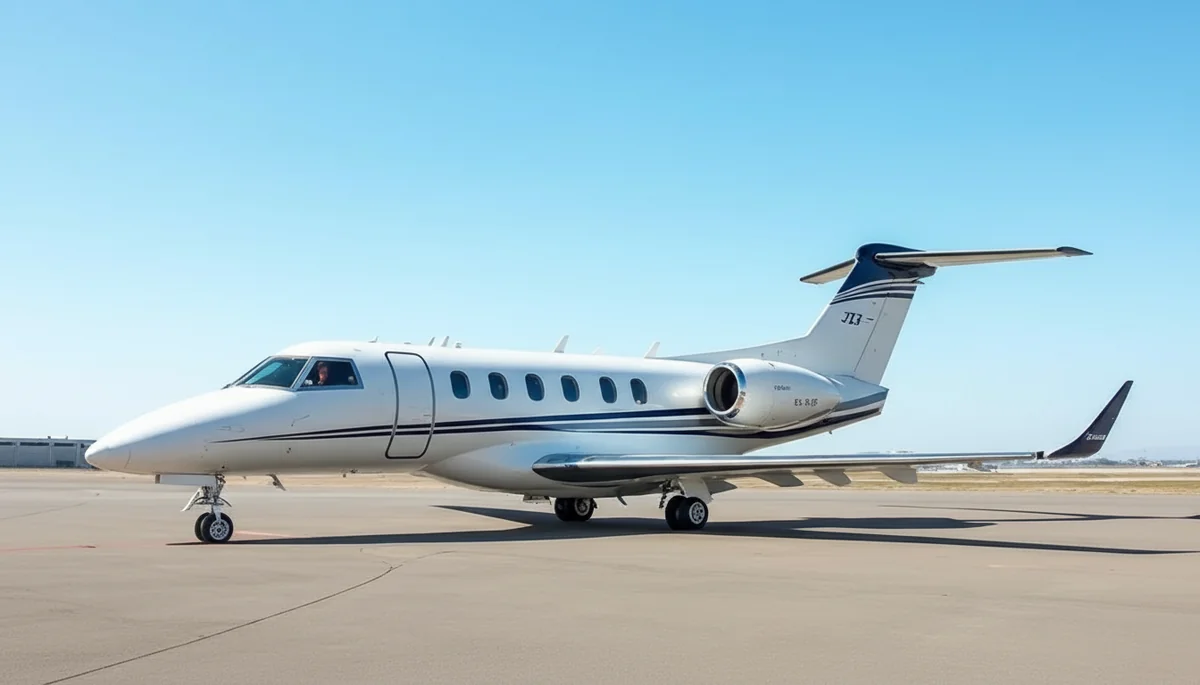
Private jet cabin with leather seats and table.

Private Plane Prices: A Comprehensive Cost Breakdown

Thinking about the cost of a private jet requires a different mindset than buying a commercial airline ticket. You aren’t just purchasing a seat; you’re chartering a personalized service built entirely around your needs. The final price reflects that freedom—the ability to set your own schedule, choose your aircraft, and customize your in-flight experience. While the numbers can seem high at first glance, they are a logical sum of specific, understandable components. This article will walk you through exactly how private plane prices are calculated, from the aircraft’s operational costs to airport fees, so you can see the tangible value behind every part of your journey.

Key Takeaways

  • Know What Shapes Your Quote: The final price isn’t arbitrary; it’s a clear sum of the aircraft size you choose, the distance you fly, and the specific services you request for your trip.
  • The True Value is Time Saved: Look beyond the ticket price to the hours you reclaim by avoiding commercial airport lines, flying on your schedule, and using more direct routes to your final destination.
  • Be Strategic to Manage Costs: You can access private travel for less by booking discounted empty leg flights, using on-demand charters instead of memberships, and choosing the most efficient aircraft for your specific journey.

How Much Does a Private Jet Cost?

One of the first questions people ask about private aviation is about the price. The truth is, the cost of chartering a private jet can vary quite a bit. It all comes down to the type of aircraft you choose, how far you’re going, and the specific services you need for your trip. Think of it less like buying a single ticket and more like booking a personalized travel experience tailored completely to you.

To give you a starting point, hourly charter rates generally begin around $2,000 for a smaller jet and can go upwards of $15,000 for a large, long-range aircraft designed for international travel. This wide spectrum reflects the differences in aircraft size, passenger capacity, and onboard amenities. The key is finding the right jet for your specific journey, which is where understanding the different options becomes so valuable.

Comparing Jet Types and Price Ranges

When you start looking at private jets, you’ll notice they’re grouped into categories. Each category offers a different balance of speed, range, and cabin space, which directly influences the price. A light jet perfect for a quick regional meeting will have a very different cost profile than a heavy jet capable of crossing oceans. Exploring the available fleet is the best way to see these differences firsthand. The size of the aircraft, its age, and the level of luxury inside all play a role in the final hourly rate. This is why a one-size-fits-all price doesn’t exist—your cost is directly tied to the aircraft that best fits your needs.

Breaking Down Hourly Rates by Jet Size

To make things clearer, let’s look at some typical hourly rates based on the size of the jet. While these are estimates, they give you a solid idea of what to expect as you plan your travel.

  • Light Jets: $2,500 to $5,000 per hour. Ideal for shorter trips of up to three hours with a small group.
  • Mid-Size Jets: $4,500 to $7,500 per hour. A great balance of comfort and range for cross-country flights.
  • Super Mid-Size Jets: $7,500 to $12,500 per hour. Offer more cabin space and are perfect for longer domestic or short international trips.
  • Heavy Jets: $12,000 to $22,000+ per hour. Designed for long-haul international flights with spacious cabins and premium amenities.

You can find more details on our private jet rental costs page to help you compare.

Calculating Your Cost Per Passenger

While the hourly rate might seem high at first glance, it’s helpful to think about the cost per person, especially when traveling with a group. When you charter a jet, you’re paying for the entire aircraft, not just a single seat. If you’re flying with colleagues for a business trip or with family for a vacation, the per-passenger cost can become quite reasonable. For example, a mid-size jet that seats eight people can be an efficient option for a team traveling together. The best way to understand the exact cost for your group is to request a quote for your specific trip, which will give you a clear, all-inclusive price.

What Factors Determine Your Final Price?

When you charter a private jet, the final price on your quote is a sum of several moving parts. Understanding these components helps you see exactly what you’re paying for and allows you to make choices that best fit your budget and travel needs. Unlike commercial flights where prices can seem random, private charter pricing is quite logical. It’s a tailored experience, and the cost reflects that personalization. The main variables include the type of aircraft you choose, the distance you’re flying, and even the time of year you travel. Each factor plays a distinct role in shaping your total investment. By getting familiar with these key elements, you can work with your charter provider to craft the perfect itinerary. For a detailed look at how these costs come together, you can explore our guide on private jet rental costs. We believe in full transparency, ensuring you have a clear picture of every charge before you commit.

How Aircraft Size Affects Cost

The size of the aircraft is one of the most significant factors in determining the price of your charter. It’s simple: larger jets cost more to operate. Hourly rates for private jets can start around $1,500 for a small light jet and exceed $15,000 for a heavy, long-range aircraft. This price difference comes down to higher fuel consumption, the need for a larger crew, and increased maintenance and airport fees associated with bigger planes. When selecting an aircraft, consider the number of passengers and the amenities you desire. Our diverse fleet offers everything from efficient light jets for short trips to spacious heavy jets for international travel, allowing you to find the perfect balance between comfort and cost.

The Impact of Flight Distance

As you might expect, the distance of your trip directly influences the overall cost. Longer flights require more fuel and more time in the air, which increases the operational expenses. As one industry expert notes, “Longer flights and greater distances naturally increase the overall cost.” This includes not just the fuel burn but also compensation for the flight crew for their extended duty day. When you request a quote, the flight distance is a primary component used to calculate the base price of your journey. We calculate the most efficient route to ensure you get the best possible value for your specific itinerary, whether it’s a quick regional hop or a transcontinental flight.

Flying During Peak vs. Off-Peak Seasons

Timing is everything, and that holds true for private jet travel. Flying during high-demand periods, such as major holidays, summer vacation months, or significant global events like the World Cup or Art Basel, will almost always be more expensive. This is a classic case of supply and demand. With more people looking to fly, the availability of aircraft decreases, which in turn drives up prices. “High demand for certain jet categories or specific travel times can also impact prices.” If your travel dates are flexible, consider booking during off-peak seasons to secure more favorable rates. Planning ahead and booking well in advance is also a smart strategy for managing costs, especially if you must travel during a busy period.

How Your Route Influences the Price

Beyond just the distance, your specific departure and arrival points play a crucial role in the final price. As aviation experts point out, “The price of a private jet flight depends on several things: the size of the plane, how far you’re flying and where you’re going.” Flying to major, well-serviced airports is often more cost-effective than flying to remote or smaller airfields. This is because an aircraft may need to be repositioned to your departure airport, and that “empty leg” flight cost is factored into your charter. Additionally, landing fees, handling charges, and local taxes can vary significantly from one airport to another, all of which contribute to the total cost of your trip.

Factoring in Fuel Costs and Surcharges

Fuel is a substantial and fluctuating operational cost for any flight. To account for this, your charter quote will typically include a fuel surcharge. This isn’t a hidden fee but a transparent way to manage the variable price of jet fuel. The total price for a private jet rental often includes a “Fuel Surcharge, an extra charge for fuel, which changes based on the plane, distance, and fuel prices.” This means the surcharge can change from one trip to the next depending on market conditions. At Haute Jets, we ensure our quotes provide a clear breakdown of all costs, including any fuel surcharges, so you have a complete and accurate understanding of your investment with no surprises.

Are There Hidden Costs?

When you book a private jet, the last thing you want is a surprise on your invoice. While reputable charter companies strive for transparent, all-inclusive quotes, some costs are simply variable and depend on the specifics of your trip. Think of them less as “hidden fees” and more as line items that can change based on your destination, timing, and personal preferences. Understanding these potential expenses ahead of time is the best way to budget accurately and ensure a smooth, stress-free journey from start to finish.

A clear quote should break down every component of your flight, from the aircraft’s hourly rate to taxes and landing fees. The goal is to give you a complete picture of the private jet rental costs so you can make an informed decision. Let’s walk through the most common variable expenses you might see on your charter agreement, so you know exactly what to look for and what questions to ask.

What to Know About Airport Fees

Every time an aircraft lands, the airport charges a fee. These landing fees can range from around $100 at a small, private airfield to over $1,500 at a major international hub during peak hours. These fees cover the use of the runway, air traffic control services, and general airport maintenance. While this cost is always factored into your final quote, it’s helpful to know that your choice of airport can directly influence the price. Opting for a smaller, less congested airport near your final destination can sometimes be a smart way to manage costs without sacrificing convenience.

Understanding Federal Taxes

Just like with commercial flights, taxes are an unavoidable part of private air travel. For flights within the United States, you’ll see a 7.5% Federal Excise Tax (FET) applied to the cost of your flight. This is a government-mandated tax, not an additional fee from the charter company. For international flights, the tax structure can be more complex, involving segment fees and country-specific duties. A good charter broker will calculate all applicable taxes for you, but it’s useful to recognize this as a standard percentage on your invoice for any domestic travel.

Accounting for Crew Expenses

For multi-day trips or complex itineraries that require the flight crew to stay overnight, their expenses are typically included in your charter cost. This covers their accommodations, meals, and daily rate, ensuring they are well-rested and ready to fly you safely. This is especially common for trips where you stay at a destination for a day or more before your return flight. While it’s all part of the seamless service, it’s a necessary expense to keep in mind when planning longer journeys. Your quote should clearly outline any crew overnight fees if they apply to your trip.

The Cost of Catering and Ground Services

This is where your personal preferences really come into play. Your in-flight experience is completely customizable. You can opt for simple complimentary snacks and beverages or arrange for a multi-course gourmet meal from your favorite restaurant. Catering costs can range from a few hundred dollars to several thousand, depending entirely on your selections. Similarly, ground transportation to and from the airport is tailored to your needs. Whether you require a luxury sedan, an SUV, or a limousine, these services will be arranged for you and added to the total cost.

Preparing for Weather-Related Charges

Safety is always the top priority in aviation, and sometimes that comes with weather-dependent costs. The most common example is de-icing. During colder months, if your aircraft has been sitting in freezing temperatures, it will need to be de-iced before takeoff to ensure a safe flight. This charge can range from $1,500 to over $15,000, depending on the size of the jet in the Haute Jets fleet and the amount of fluid required. This is a conditional charge—it only applies when necessary for safety—but it’s an important potential expense to be aware of when flying in winter weather.

The Value of Your Time and Convenience

When you look at the cost of flying private, it’s easy to focus on the price tag. But the real value isn’t just in the luxurious seats or gourmet catering—it’s in the time you get back. Time is the one resource you can’t buy more of, and private aviation is one of the few services that can genuinely give you more of it. By eliminating the inefficiencies of commercial air travel, you’re not just buying a flight; you’re investing in productivity, peace of mind, and more moments for what truly matters, whether that’s closing a deal or making it home for dinner.

The convenience factor is a game-changer. It means transforming hours of stressful airport navigation into productive, quiet time in the air. It means turning a two-day trip with layovers into a simple out-and-back in a single day. When you measure the cost against the hours saved, the stress avoided, and the flexibility gained, the true value of private travel becomes crystal clear. It’s about taking control of your schedule and your environment, making travel work for you, not the other way around. This shift in perspective is key; you’re moving from a passenger subject to an airline’s rules to a client whose needs dictate the entire experience.

Private vs. Commercial: A Time Comparison

Let’s be direct: chartering a private jet costs more upfront than a commercial ticket. The private jet rental costs can range from a few thousand dollars an hour for a light jet to over $15,000 for a large, intercontinental aircraft. But this comparison is incomplete if you don’t factor in the value of your time. A commercial trip often involves hours of driving to a major airport, waiting in security lines, and sitting through layovers. A private charter cuts all of that out. The hours you save can be spent preparing for a meeting, connecting with family, or simply relaxing, making it a worthwhile investment for busy executives and individuals.

The Advantage of Private Terminals

One of the biggest time-sinks in travel is the airport itself. With a private charter, you bypass the chaos of commercial terminals entirely. You’ll use a private facility, often called an FBO (Fixed-Base Operator), where you can drive right up to your jet. There are no long security lines or crowded gates. In most cases, you can arrive just 15 minutes before your scheduled departure, hand your bags to the crew, and board the plane. This seamless, stress-free process transforms the travel day from a draining experience into a simple, efficient part of your journey, saving you hours of valuable time on the ground.

Fly on Your Own Schedule

Commercial airlines operate on a fixed schedule that you have to fit into. Private aviation flips that script entirely. When you request a quote for a charter, the flight is scheduled around your needs. Need to depart at dawn to make a morning meeting or fly late at night after an event? No problem. If your meeting runs late, the plane waits for you. This level of flexibility gives you complete control over your itinerary, allowing you to maximize your time at your destination without being constrained by an airline’s timetable. It eliminates the need for overnight stays and makes multi-city trips in a single day entirely possible.

Save Time with Direct Routes

Did you know that private jets can access about ten times more airports than commercial airlines? In the U.S. alone, that’s a difference between roughly 500 and 5,000 airports. This access is a massive time-saver. It means you can fly directly to smaller towns, remote destinations, or airfields much closer to your final destination, cutting out hours of driving time. Instead of flying into a major hub and connecting, you can take a direct route. Our diverse fleet includes aircraft of all sizes, capable of landing on shorter runways and getting you exactly where you need to be, faster.

How to Fly Private for Less

Flying private is the pinnacle of luxury and convenience, but that doesn’t mean you can’t be smart about the cost. With a bit of planning and flexibility, you can enjoy the private jet experience while making the most of your budget. It’s all about knowing where to find value without compromising on the quality and service you expect. Here are a few strategies that seasoned private flyers use to get the best possible rates for their trips.

Find Deals with Empty Leg Flights

One of the best ways to save on private travel is by booking an empty leg flight. These are one-way trips that occur when a jet needs to reposition for its next scheduled charter. Since the aircraft has to make the flight anyway, charter companies offer these seats at a significant discount. If you have a flexible schedule and can align your travel plans with an available empty leg, you can experience the full luxury of a private jet for a fraction of the typical cost. It’s a perfect opportunity for spontaneous getaways or for trips where your departure time isn’t set in stone.

On-Demand Charters vs. Memberships

Many people assume private aviation requires a costly membership or fractional ownership, but that isn’t the case. On-demand charters allow you to pay for flights as you take them, with no upfront investment or long-term commitment. This model is especially cost-effective if you fly less than 150 hours per year. You get access to a vast global fleet without the hefty fees associated with jet cards and memberships. At Haute Jets, we believe in transparent, pay-as-you-go pricing, ensuring you only pay for the exceptional service and flight time you actually use.

Consider Shared Charter Flights

The private aviation industry is always evolving, and one trend is the rise of shared charter services. These models allow you to book a seat on a private jet, sharing the aircraft and the cost with other passengers heading in the same direction. While you give up the complete privacy of a solo charter, it can make the experience more accessible. This option works well for travelers who want an upgrade from commercial first class but aren’t ready to book an entire aircraft. It’s another way to think about private travel, blending exclusivity with cost-efficiency.

Book Smarter with These Tips

While online estimators are useful for a ballpark figure, the final cost of your trip depends on many specific details. The best approach is to work directly with a charter advisor to get a guaranteed price quote. An expert can walk you through all the variables, from aircraft type to airport fees, ensuring there are no surprises. By planning ahead and discussing your needs, you can find the most efficient and economical solution for your journey. When you’re ready, you can request a quote to get a precise, all-inclusive price tailored to your exact itinerary.

How to Choose the Right Aircraft for Your Trip

Selecting the right private jet is less about picking the most expensive option and more about matching the aircraft to your specific needs. The perfect jet for a quick business trip might not be the best choice for a family vacation overseas. Key factors like the number of passengers, flight distance, and the level of comfort you desire will guide your decision. Thinking through these details first will help you find the most efficient and enjoyable option for your journey. You can explore a wide variety of aircraft to see what fits your travel style.

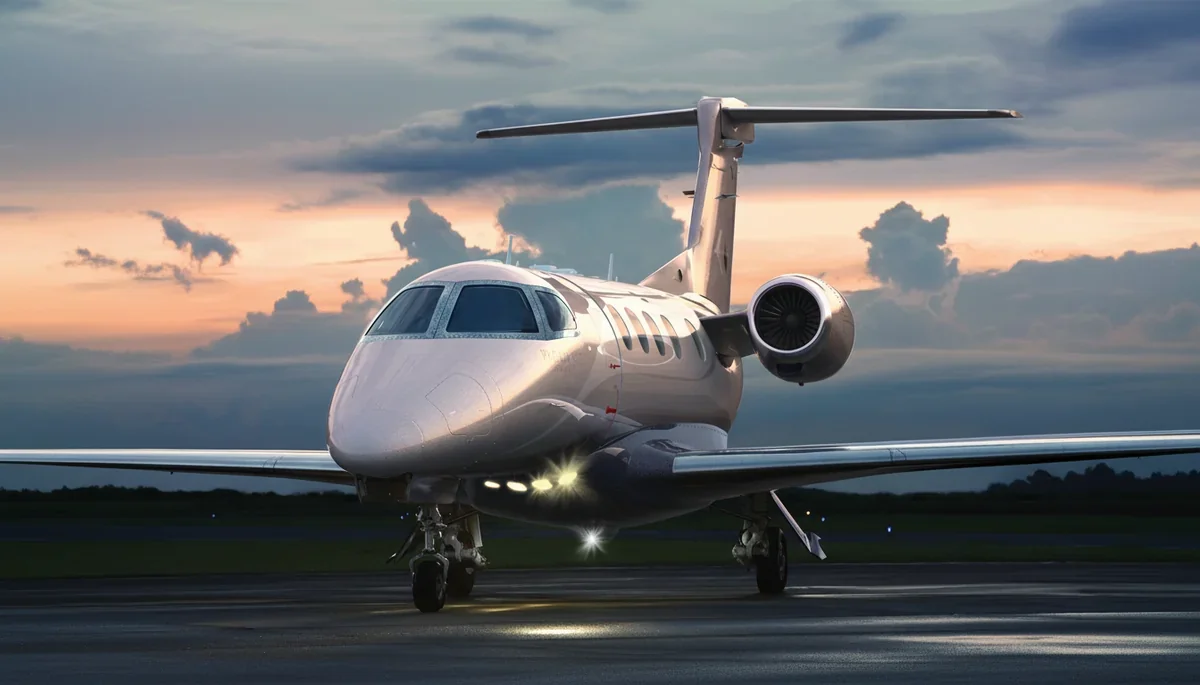
Light Jets: Ideal for Regional Travel

Think of light jets as your go-to for shorter, regional trips. If you’re flying for a few hours to a nearby city for a meeting or a quick weekend escape, this is your most efficient choice. These jets comfortably seat between four and eight passengers, making them perfect for small groups. They offer a great balance of speed and cost-effectiveness for flights under three hours. While they have less cabin space and luggage capacity than their larger counterparts, they provide all the privacy and convenience you need for regional travel without the expense of a larger aircraft.

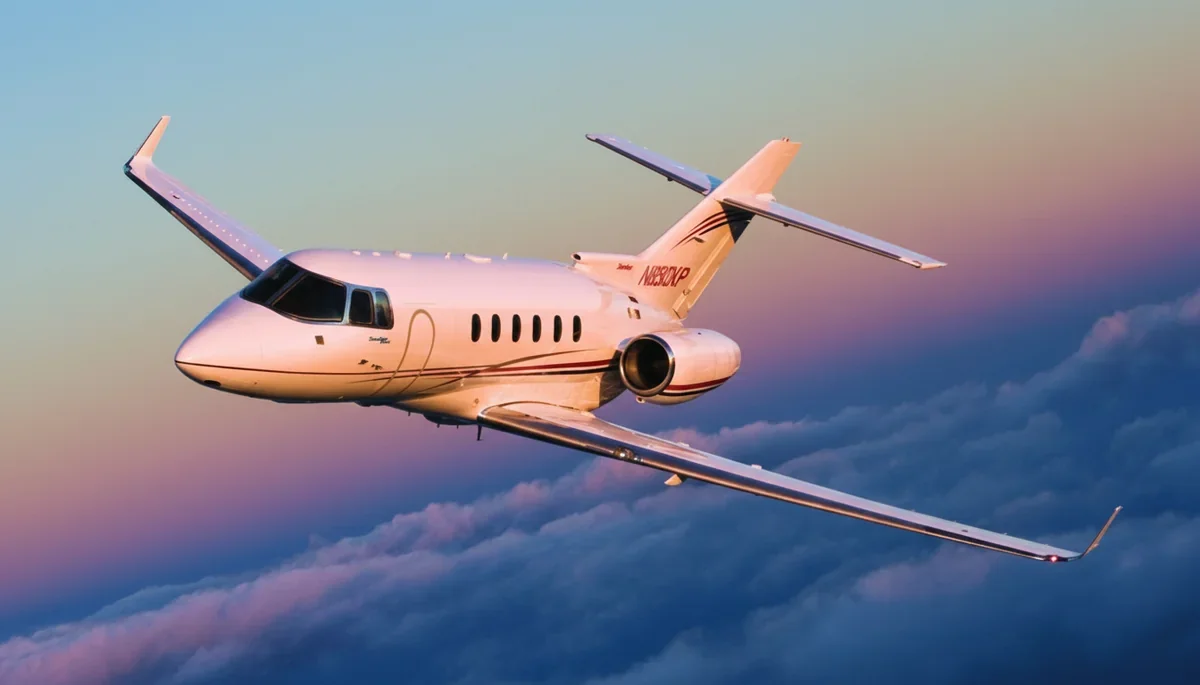
Midsize Jets: The Cross-Country Solution

When your travel plans take you coast-to-coast, a midsize jet is the perfect upgrade. Offering a more spacious cabin and greater range, these aircraft are designed for longer domestic flights. They typically accommodate six to eight passengers and often feature amenities like a small galley and an enclosed lavatory, which makes a significant difference in comfort on a five-hour flight. Midsize jets strike an excellent balance between the efficiency of a light jet and the spaciousness of a heavy jet, making them a popular choice for both business and leisure travelers planning longer journeys.

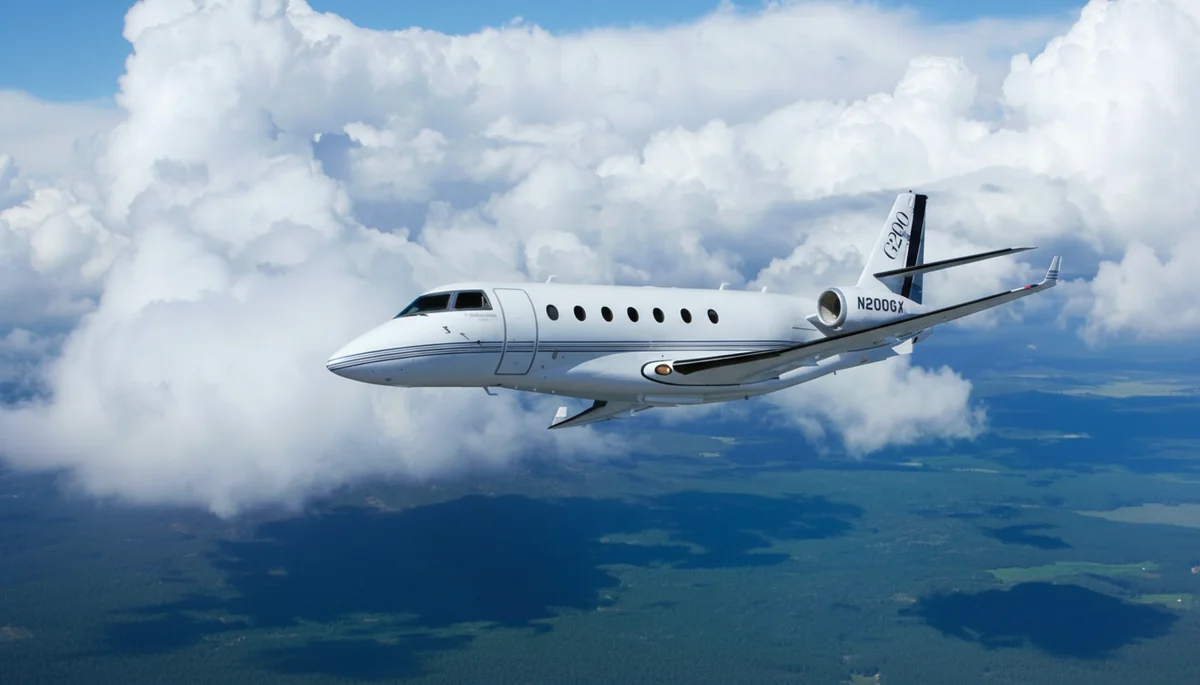
Heavy Jets: Your International Gateway

For international travel, a heavy jet is essential. These aircraft are built for long-haul flights, offering the range, speed, and cabin space needed to cross oceans in complete comfort. With seating for nine to nineteen passengers, they are ideal for larger groups, corporate teams, or families. The spacious cabins can include separate areas for working, dining, and relaxing, and often feature amenities like fully lie-flat beds and a full galley. When you need to arrive at an international destination feeling refreshed and ready to go, a heavy jet is the only way to fly.

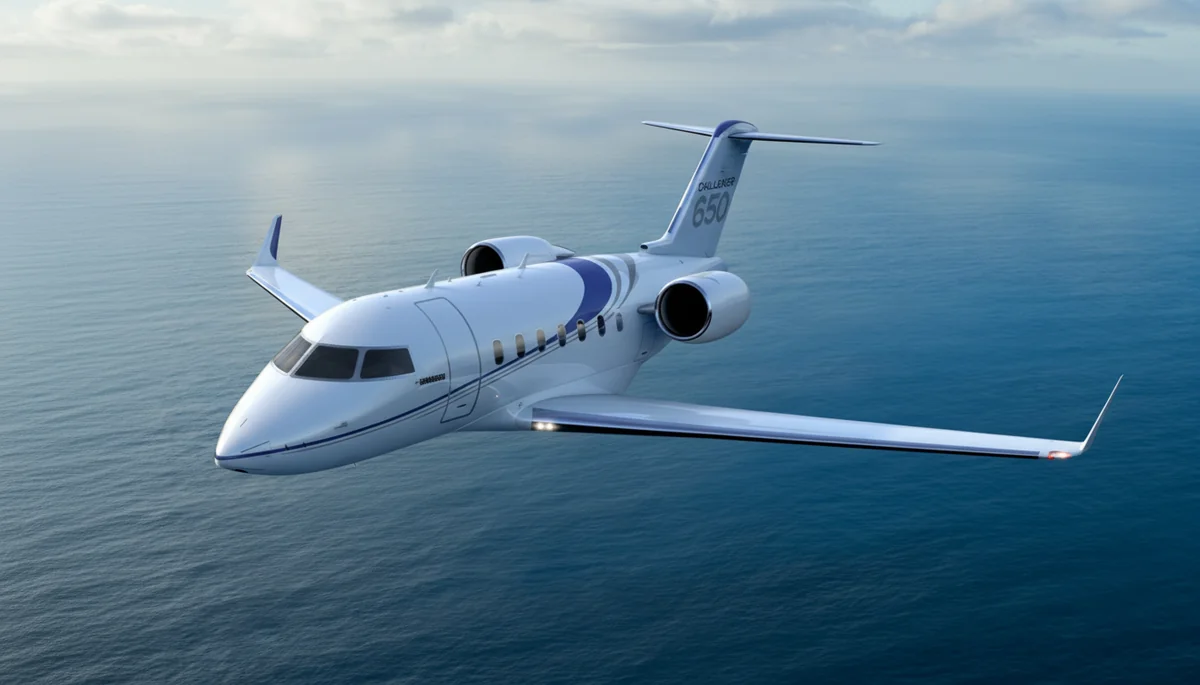
Ultra-Long-Range: For Non-Stop Global Flights

When your itinerary demands non-stop travel between continents, an ultra-long-range jet is the pinnacle of private aviation. These aircraft can connect virtually any two cities in the world without a fuel stop, saving you valuable time. Designed for maximum comfort on flights that can exceed 14 hours, their cabins are exceptionally spacious and can be configured with private staterooms, full-sized bathrooms, and dedicated lounge areas. For travelers with the most demanding schedules, these jets offer unparalleled performance and luxury, ensuring you can travel the globe on your own terms. When you’re ready to plan your trip, you can request a quote for the aircraft that best suits your needs.

What Services and Amenities Can You Expect?

When you charter a private jet, you’re not just booking a flight; you’re designing a personalized travel experience. The price of your charter includes a level of service and comfort that commercial flights simply can’t match. From the moment you book until you arrive at your final destination, every detail is tailored to your preferences. This includes everything from the layout of your cabin and the meals you eat to the car waiting for you on the tarmac. It’s a seamless journey built entirely around your schedule and needs, ensuring you arrive relaxed, refreshed, and ready for whatever comes next.

Your Custom In-Flight Experience

Forget cramped seats and standard cabin layouts. On a private jet, the space is yours to command. Many top-tier aircraft feature flexible cabins with distinct zones for working, dining, relaxing, or even sleeping in a full-sized bed. You can conduct a business meeting in a quiet conference area and then unwind in a comfortable lounge. Advanced cabin management systems put you in complete control of your environment, allowing you to adjust lighting, temperature, and entertainment with ease. Depending on the aircraft, you might find amenities like a gourmet galley or spacious lavatories with showers. This level of customization ensures your time in the air is as productive or restful as you need it to be.

Gourmet Catering Options

In-flight dining on a private charter goes far beyond a simple choice of chicken or fish. You can expect high-quality, gourmet catering options tailored specifically to your tastes. Whether you’re craving a five-course meal from your favorite restaurant, need to accommodate specific dietary restrictions, or simply want the jet stocked with your preferred snacks and beverages, it can all be arranged. The spacious cabins of larger jets often feature a full galley, allowing for fresh preparation of meals. This means you can enjoy exceptional food and wine at 40,000 feet, turning your flight into a fine dining experience. It’s just one more way your corporate private jet charter is made to feel like an extension of your office or home.

Seamless Ground Transportation

One of the greatest luxuries of private travel is what happens on the ground. Your journey is smooth from door to door, completely bypassing the stress of a commercial airport. When you arrive at the private terminal, or FBO (Fixed-Base Operator), you can often be driven directly to your aircraft. Upon landing, your pre-arranged ground transportation will be waiting for you on the tarmac, just steps from the jet. This means no waiting for gates, no navigating crowded terminals, and no stopping at baggage claim. This efficiency is one of the key strategic advantages of private charter, saving you invaluable time and energy.

Personalized Concierge Services

Think of your charter provider as your personal travel assistant. Beyond arranging the flight itself, personalized concierge services are available to handle every other detail of your trip. Need to book a last-minute dinner reservation at a popular restaurant, secure tickets to an event, or arrange for a special surprise to celebrate an anniversary on board? It’s all taken care of. Your flight crew and support team work behind the scenes to ensure every request is met, from in-flight entertainment preferences to complex multi-leg itineraries. This dedicated support allows you to focus on your business or simply enjoy your journey, knowing that every detail is being managed for you when you request a quote.

How to Book Your Private Jet with Confidence

Booking a private jet should feel as seamless as the flight itself. With a clear understanding of the process, you can arrange your travel with total peace of mind. It comes down to working with the right partner, knowing what to look for in a quote, and understanding the key factors that shape your trip. This approach ensures there are no surprises—just a smooth journey from start to finish.

Why Work with a Charter Company?

When you decide to fly private, you’ll find a few different options, including jet cards, fractional ownership, and on-demand charters. While jet cards and ownership models require significant upfront investment and long-term commitments, chartering offers complete freedom. Working with a charter company like Haute Jets means you pay as you go, with no membership fees or hidden costs. You get access to a global fleet of aircraft and the flexibility to choose the perfect jet for each specific trip. This on-demand model puts you in control, allowing you to arrange flights based entirely on your schedule and preferences, whether it’s a last-minute business meeting or a planned family vacation.

How to Compare Quotes Like a Pro

Getting an accurate price is the first step to a successful trip. While online estimators can give you a general idea, they don’t account for real-time availability or specific trip details. For a firm price, it’s always best to request a quote directly from a charter advisor. When you receive quotes, make sure you’re comparing them fairly. A comprehensive quote should clearly itemize all costs, including the aircraft hourly rate, airport fees, federal excise tax, and crew expenses. If one quote seems significantly lower than others, check the fine print to see what might be excluded. Don’t hesitate to ask questions to ensure you understand every line item before you book.

Understanding Your Charter Agreement

Your charter agreement is the formal document that outlines every detail of your flight, protecting both you and the aircraft operator. It will specify the exact aircraft, your itinerary, and a complete breakdown of the costs. Key details in the agreement include the flight distance, trip duration, and any potential repositioning fees. A repositioning or “ferry” flight is necessary when the aircraft has to fly empty to your departure airport to pick you up. A trustworthy charter advisor will walk you through the entire agreement, ensuring you are comfortable with every term. This transparency is fundamental to a great charter experience and confirms all your private jet rental costs are clear from the outset.

Factoring in Seasonal Demand

Just like commercial air travel, private jet pricing is influenced by supply and demand. Peak travel seasons, such as major holidays, summer vacation periods, and large-scale events like the Super Bowl or Art Basel, see a significant increase in demand. During these times, not only do prices tend to rise, but aircraft availability can also become limited. If your travel plans fall during a popular time, it’s wise to book as far in advance as possible. This gives you the best selection of aircraft and more stable pricing. If your schedule is flexible, traveling during off-peak seasons can often result in better rates and wider availability.

Related Articles

Frequently Asked Questions

Is the price I’m quoted the final price I’ll pay? A reputable charter company will always provide you with a transparent, all-inclusive quote. This price covers the aircraft, crew, and standard airport fees. However, some costs are variable by nature. For example, if you request special gourmet catering or if de-icing is required for safety in cold weather, those charges would be added. Your charter agreement will clearly outline all potential costs, so you’ll have a complete picture before you confirm your flight.

What’s the most affordable way to charter a private jet? If your schedule is flexible, booking an empty leg flight is often the most cost-effective option. These are one-way flights that are already scheduled to fly without passengers, and they are offered at a significant discount. Another great way to manage costs is to fly on-demand. This pay-as-you-go model means you aren’t tied to expensive memberships or jet cards, so you only pay for the flights you actually take.

Do I have to sign up for a membership or buy a jet card? Not at all. While some companies focus on memberships, we believe in the freedom of on-demand charter. This means you can book a flight whenever you need one without any upfront investment or long-term commitment. It’s the most flexible and often most economical approach, especially if you fly fewer than 150 hours a year, as you get access to a global fleet without the associated membership fees.

How far in advance do I need to book my flight? One of the biggest advantages of private aviation is the ability to book flights with just a few hours’ notice. However, if you can plan ahead, it’s always a good idea. Booking further in advance, especially during peak travel seasons like holidays or major events, gives you a better selection of aircraft and can help secure more favorable pricing. For last-minute trips, we can absolutely accommodate you, but a little lead time is always helpful.

Why can’t I just get a simple price per seat like on a commercial airline? When you charter a private jet, you are booking the entire aircraft, not just a single seat. The cost is based on the operational expenses for that specific aircraft for your specific trip. This model is what provides the privacy, flexibility, and convenience that define the experience. While the total cost is higher, if you are traveling with a group, the price per person can become quite reasonable, especially when you factor in the time and stress you save.

Other Stories